World news and discussion on TalkFuse.
US Supreme Court rebuffs Trump administration appeal over DEI funding cuts
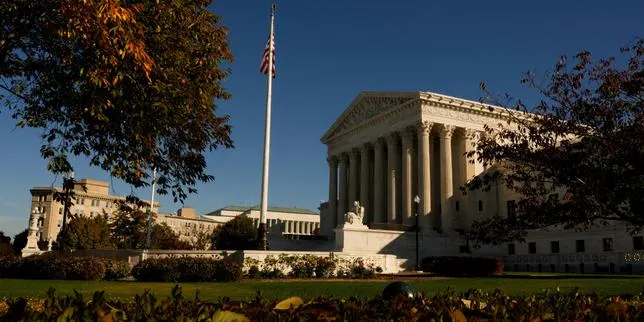
The US Supreme Court declined to hear the Trump administration’s appeal over cuts to research grants linked to diversity, equity and inclusion (DEI). Its decision leaves lower-court rulings in place that found the cuts likely violated the First Amendment, giving University of California researchers a significant legal reprieve.
The administration had cancelled millions of dollars in grants after a January 2025 executive order directing agencies to end DEI-related programmes, arguing that it need not fund research outside its priorities. The case covers only some of the funding cuts and will continue in lower courts; no justice publicly dissented from the Supreme Court’s decision. Separately, the court declined to hear a challenge to California’s requirement that medical education address unconscious bias, with three conservative justices indicating interest in the case.
In short
- Supreme Court leaves grant protections in place.
- Lower courts found the cuts likely breached free-speech rights.
- The research funding case will continue.
Steelman: both sides, in good faith
The strongest fair case each way — we don't pick a winner.
The case for
The administration can argue that elected officials should be able to set research priorities and direct public funds towards programmes that match those priorities; a grant is not an entitlement to continued federal support. On this view, ending grants connected to DEI implements a policy choice, while leaving researchers free to pursue their work through other funding. The dispute should be resolved through the ordinary lower-court process rather than treated as a final ruling on the administration’s policy.
The case against
Researchers and their supporters can argue that cancelling grants because of their DEI-related content risks punishing particular viewpoints and chilling protected academic inquiry. If the government funds research, the First Amendment may limit its ability to withdraw support on that basis, even while it retains broad discretion over funding priorities. Leaving the lower-court rulings in place gives researchers meaningful protection while the courts examine whether these specific cancellations crossed that constitutional line.
Americas Research Science World