US to close five foreign consulates in rare diplomatic move as part of Trump’s America First agenda
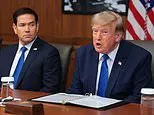
The US State Department has notified Congress of plans to close five foreign diplomatic posts, in a rare downsizing of America's global footprint as part of President Donald Trump's drive to cut what his administration views as bloated government bureaucracy. The move follows sweeping cuts across the federal government since Trump returned to office, including mass layoffs at the State Department last year, and reflects an "America First" push to align US institutions more closely with the administration's priorities. Critics, including Democrats and former foreign policy officials, warn that shrinking America's diplomatic presence, alongside the dismantling of USAID, could weaken US global leadership and create openings for rivals such as China and Russia.
The posts earmarked for closure are in St. George's, Grenada; Nagoya, Japan; Medan, Indonesia; Douala, Cameroon; and Winnipeg, Canada, according to people familiar with the confidential notice sent to congressional committees last week. It follows earlier preparations in 2025 to shut nearly a dozen missions, with the White House budget office having pushed for an even larger closure of up to 30 posts. Secretary of State Marco Rubio has defended cost-cutting as necessary to streamline an organisation he regards as overly bureaucratic, though the State Department declined to confirm the specific closures, saying only that it was focused on efficiency and would follow proper congressional notification procedures.
- State Department to close five foreign missions, Congress notified
- Posts affected: Grenada, Japan, Indonesia, Cameroon, Canada
- Critics warn cuts could cede influence to China and Russia
New here? Start with this
The US administration is reportedly planning to close five of its consulates overseas, a step foreign policy watchers regard as unusual. Consulates are smaller diplomatic offices, distinct from embassies, that typically handle visas, support citizens abroad and maintain local business and community ties in cities outside a country's capital. Closing several at once is rare because it can affect services for travellers and residents and signals a change in how a government wants to engage with the world.
The move is linked to President Trump's "America First" approach, which generally favours prioritising domestic interests and reassessing the cost and purpose of US commitments abroad, including its diplomatic footprint. Decisions of this kind are usually driven by some mix of budget savings, staffing levels and a reassessment of which locations are seen as strategically important.
At the time of writing, it is not yet clear which consulates are affected, when the closures would take effect, or what reasons officials have given beyond the general policy framing. Readers should treat early reports with some caution until further details, such as the affected countries and cities, are confirmed by official sources.
Both sides, in good faith
The strongest fair case each way — we don't pick a winner.
The case for
Supporters of the consulate closures argue that diplomatic footprints should be judged by strategic value rather than tradition, and that reallocating finite resources away from underused or low-priority posts allows the State Department to invest more heavily in missions and personnel that serve core national interests. They see this as a legitimate exercise of executive discretion over foreign policy, consistent with a mandate to prioritise taxpayer efficiency and focus American diplomacy on the relationships and regions that matter most. From this perspective, periodic consolidation is prudent management rather than retreat, and the rarity of such closures says more about institutional inertia than about the merits of the decision itself.
The case against
Critics of the closures contend that consulates provide essential, hard-to-replace services to American citizens abroad, from passport and emergency assistance to visa processing for local partners and businesses, and that shutting them risks tangible harm to ordinary people regardless of the political framing. They also warn that diplomatic presence is a quiet but significant source of American influence and intelligence-gathering, so withdrawing from posts can cede ground to rival powers and weaken alliances built over decades. For these observers, the unusual rarity of such closures is itself a warning sign, suggesting a break from long-standing bipartisan practice that merits far more scrutiny and justification than has been offered.
Americas Art Cricket Culture Government Politics Sport World