World news and discussion on TalkFuse.
US tries to override New York gambling laws, orders Kalshi to keep operating
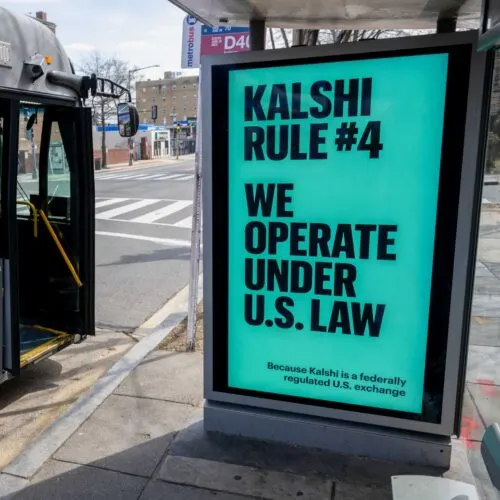
The Trump administration’s derivatives regulator has ordered prediction-market operator Kalshi to continue operating in New York, attempting to prevent the state from enforcing gambling laws against it. The dispute matters because it tests whether federally regulated prediction markets should be treated as nationwide financial exchanges or as gambling services subject to individual state rules.
New York Attorney General Letitia James sued Kalshi on 31 July, alleging it runs an unlicensed gambling business and seeking an injunction, customer restitution and penalties. The Commodity Futures Trading Commission said its emergency action was needed for market stability and argued it has exclusive authority over such exchanges, while New York says Kalshi has avoided licensing and taxes that support public services; a federal judge had previously declined to block state enforcement, and Kalshi has appealed.
In short
- Federal regulator orders Kalshi to keep operating in New York.
- New York says Kalshi is unlicensed gambling.
- Courts will help decide federal versus state authority.
Steelman: both sides, in good faith
The strongest fair case each way — we don't pick a winner.
The case for
Federally regulated prediction markets should operate under unified national oversight to ensure market efficiency and stability. The CFTC has explicit statutory authority over commodity exchanges, and allowing state-by-state enforcement creates regulatory fragmentation that undermines the entire system. Permitting individual states to override federal financial regulation sets a dangerous precedent, effectively enabling regulatory arbitrage where businesses relocate to accommodate state preferences, ultimately harming interstate commerce and consumer protection across the nation.
The case against
States retain legitimate police powers to protect residents from gambling activities and to enforce licensing and taxation requirements that fund public services. Kalshi's alleged avoidance of state licensing and taxes represents regulatory evasion rather than a federalism question; allowing federal preemption would enable financial operators to circumvent well-established state protections simply by obtaining federal approval. The Constitution reserves significant regulatory authority to states, and New York's enforcement reflects its duty to ensure businesses operating within its borders meet baseline public-interest standards.
Explained simply
Kalshi runs a prediction market, where people trade contracts whose value depends on the outcome of an event. The company says these markets fall under federal financial rules, while New York says its offerings amount to gambling and require a state licence.
The Commodity Futures Trading Commission regulates derivatives markets in the United States. New York Attorney General Letitia James is seeking to apply the state’s gambling laws to Kalshi, raising a dispute over whether federal or state rules govern these services.
The outcome could shape how prediction markets operate across the country and whether states can require them to obtain gambling licences and pay related taxes. It also affects how authority is divided between federal regulators and state governments.