World news and discussion on TalkFuse.
US visa sanctions trigger investigation into alleged drug trafficking network in Bolivia
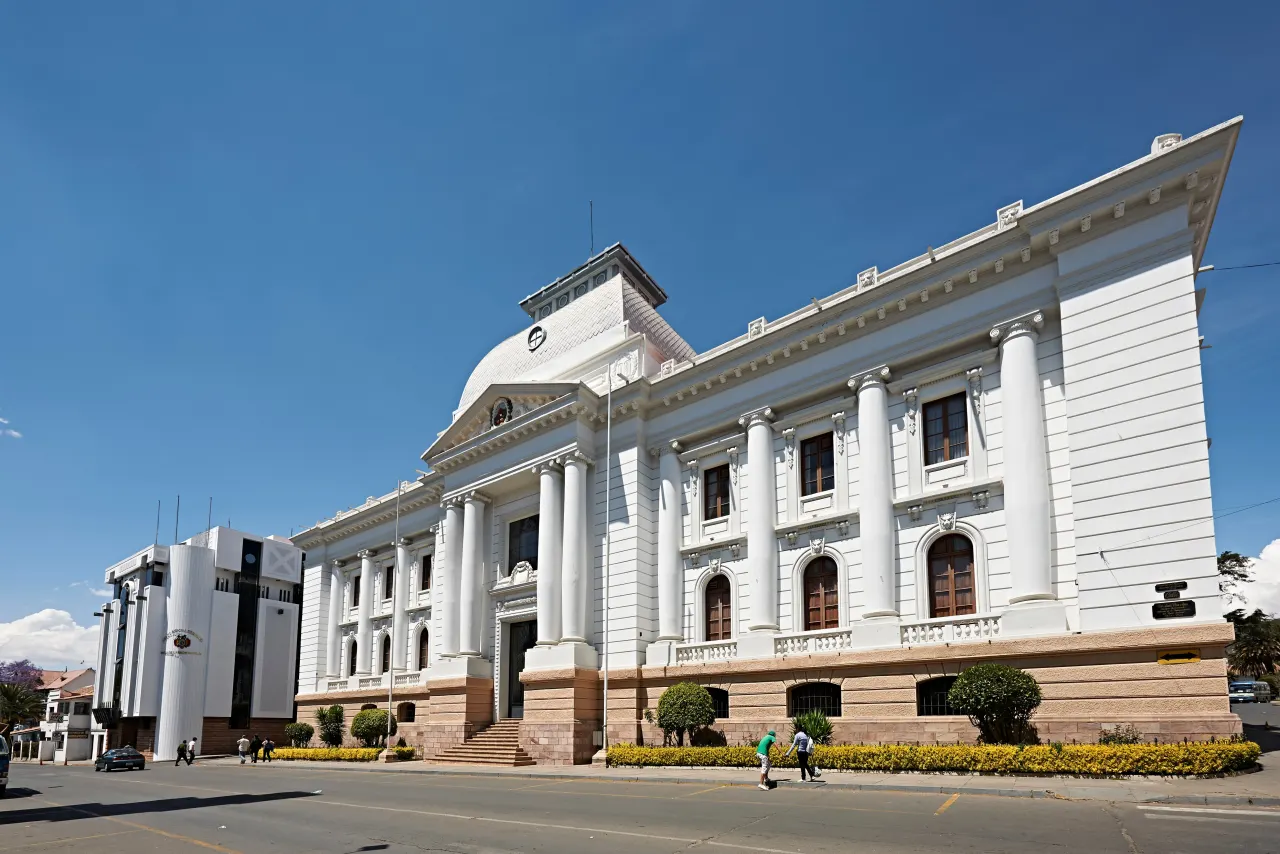
US visa sanctions have prompted a Bolivian investigation into alleged drug trafficking and corruption within the judiciary and Attorney General’s Office. More than 10 judges and prosecutors have been jailed or formally charged in just over a month, raising questions about how deeply criminal networks may have penetrated state institutions.
The latest arrests are former Santa Cruz court president Aldo Quezada and prosecutor Julio César Porras, both accused of drug trafficking and belonging to a criminal organisation. The inquiry followed the March arrest and extradition of Uruguayan fugitive Sebastián Marset, who allegedly implicated Bolivian officials; prosecutors say former attorney general Roger Mariaca led a network called ROMA, which may have helped traffickers track police operations. Mariaca is jailed, while Supreme Court president Romer Saucedo is reportedly a fugitive.
In short
- US visa sanctions preceded a Bolivian probe into alleged official links to drug trafficking.
- More than 10 judges and prosecutors have been jailed or charged.
- Investigators say traffickers may have accessed a system used to monitor police operations.
Steelman: both sides, in good faith
The strongest fair case each way — we don't pick a winner.
The case for
Supporters of the investigation argue that alleged links between traffickers and senior legal officials pose a serious threat to public safety and the rule of law. The arrests and charges suggest grounds for a thorough inquiry, and international pressure may help expose networks that domestic institutions failed to address.
The case against
Sceptics argue that arrests and allegations do not establish guilt, and that a fast-moving crackdown prompted by US visa sanctions risks being shaped by political pressure or foreign influence. Protecting due process and judicial independence requires testing the evidence in court and avoiding conclusions about the scale of institutional infiltration before the claims are substantiated.
Explained simply
Bolivia is a major transit country for cocaine produced in South America, and its courts and prosecutors are meant to investigate and prosecute drug offences. The Attorney General’s Office directs public prosecutors, while judges decide cases in court.
Sebastián Marset is a Uruguayan fugitive accused of leading a drug trafficking network; after his arrest and extradition in March, Bolivian authorities began examining alleged links between traffickers and state officials. Former Attorney General Roger Mariaca is among those accused, but the allegations have not been proven in court.
The investigation concerns whether people inside the justice system helped criminal groups operate or evade police. Its findings could affect public trust in Bolivia’s institutions and how effectively the country can pursue drug trafficking cases.
Americas Geopolitics Health Medicine Politics World