How USB-A and USB-C differ as connector standards
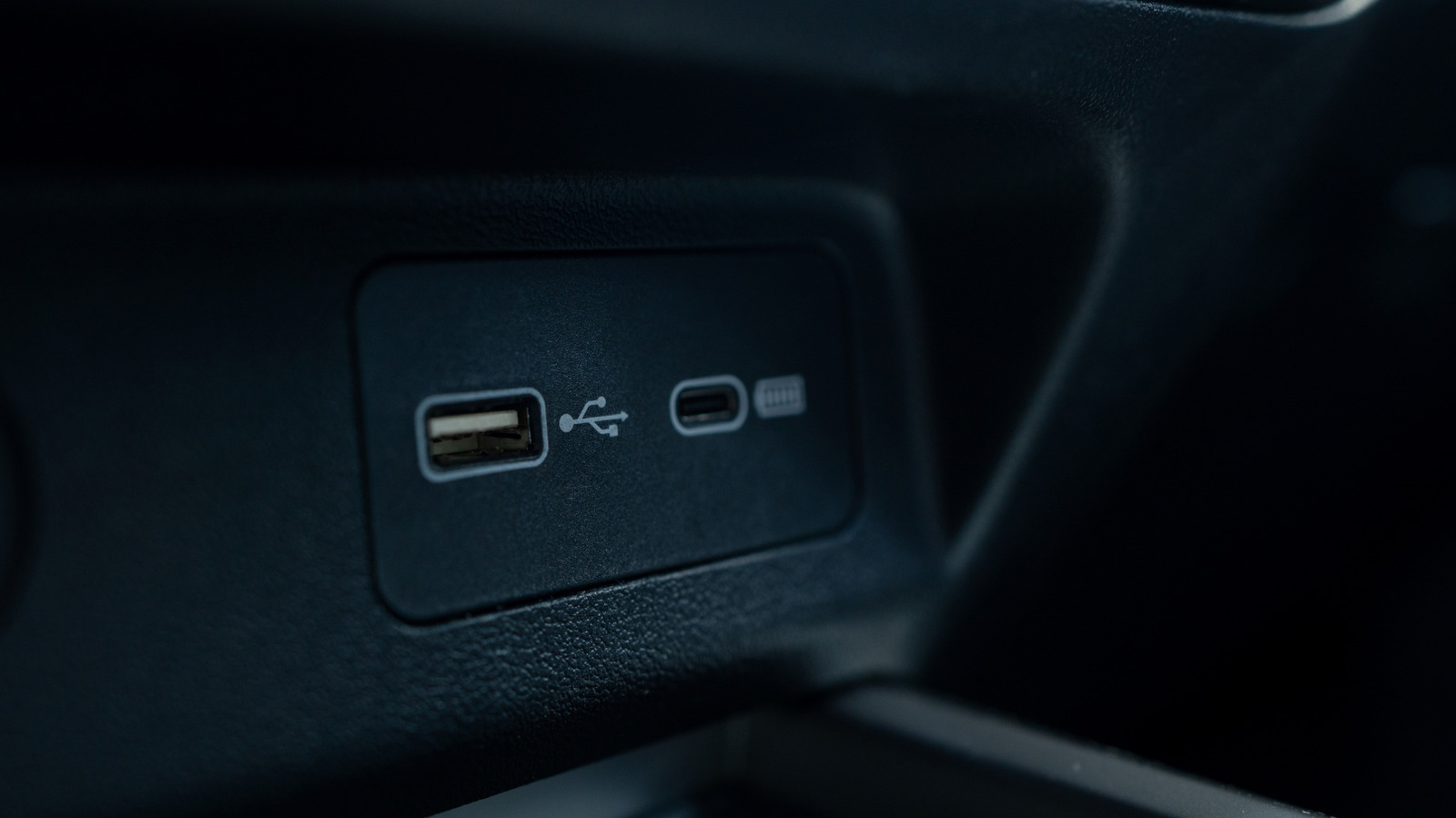
USB-A and USB-C are two distinct connector types with fundamentally different designs and capabilities. USB-A, one of the original USB standards from the mid-1990s, features a rectangular connector that only fits one way, famously requiring multiple attempts to plug in correctly. USB-C, which debuted in 2014 and rolled out widely by 2015, is reversible with an oval design that eliminates this frustration whilst also removing the traditional host-device distinction between connected devices. Understanding these differences matters because USB-C has gradually replaced USB-A as the standard connector across most modern devices, changing how we charge and connect our technology.
USB-A remains ubiquitous on desktops, laptops, routers, game consoles and car chargers despite its age, giving it broad compatibility across the technology landscape. USB-C is now the standard for smartphones, tablets, headphones and controllers, and increasingly features on laptops and desktops. Beyond physical design differences, USB-C offers significant functional advantages: it supports modern fast-charging standards (compared to USB-A's limited charging speeds), can simultaneously handle data transfer, video and audio output, and connect peripherals—capabilities that once required multiple separate ports on a device. The technical capabilities of both connector types ultimately depend on the specific USB standard they implement, rather than the physical connector shape alone.
- USB-C is reversible, newer, and gradually replacing USB-A's one-directional design
- USB-C handles charging, data, video and audio through fewer ports than older standards
- USB-A remains widely used but is being phased out in favour of USB-C
Read the full article at the source →
Originally published by Engadget as “USB-A vs. USB-C: What’s the difference between them?”.