Usha Vance reveals the sage advice she gave to JD as ramp-up to 2028 intensifies
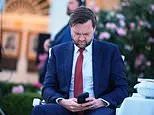
Usha Vance said she advised her husband, US Vice President JD Vance, to take a temporary break from social media, arguing that the relentless flow of online information can be exhausting. She said his decision to step away from X during Lent helped him gain perspective, illustrating the pressure and visibility surrounding his political role as speculation grows about a possible 2028 presidential campaign.
JD Vance has been known for personally using X frequently to argue with critics, comment on policy and engage directly with supporters. He previously said deleting the app made him more productive, although he missed its direct contact with public opinion; Usha said he is currently focused on the 2026 midterm elections and that the family has made no firm plans about 2028.
- Usha Vance urged JD Vance to take a social-media break.
- She said Lent away from X gave him perspective.
- Vance remains focused on the 2026 midterms.
New here? Start with this
The US vice-president is part of the executive branch, led by the president, and can take on political duties while also presiding over the Senate. JD Vance, a former senator from Ohio, became vice-president in 2025 under President Donald Trump.
X, formerly known as Twitter, is a social media platform where politicians can speak directly to supporters and critics. Vance has used it frequently, making his online presence part of his public role; speculation about his future reflects the early attention politicians often face ahead of US presidential elections.
Both sides, in good faith
The strongest fair case each way — we don't pick a winner.
The case for
A temporary break from social media can be a sensible form of discipline for a senior public official whose work already involves intense scrutiny and a constant stream of information. Supporters would argue that stepping back can improve focus, judgement and family life, while reducing the risk that reactive online exchanges distract from governing and election work. The underlying value is that political leaders should make decisions thoughtfully rather than be governed by the pace and hostility of online debate.
The case against
Direct use of social media can help an elected leader hear public concerns unfiltered, explain positions promptly and engage with supporters and critics alike. Critics of withdrawing would argue that, if used responsibly, it provides a valuable channel of accountability and prevents political communication being mediated entirely by advisers or traditional media. The underlying value is that senior politicians should remain accessible and willing to participate directly in public argument.