World news and discussion on TalkFuse.
Using High-Energy Laser, US Shoots Down Drones Near Mexico Border
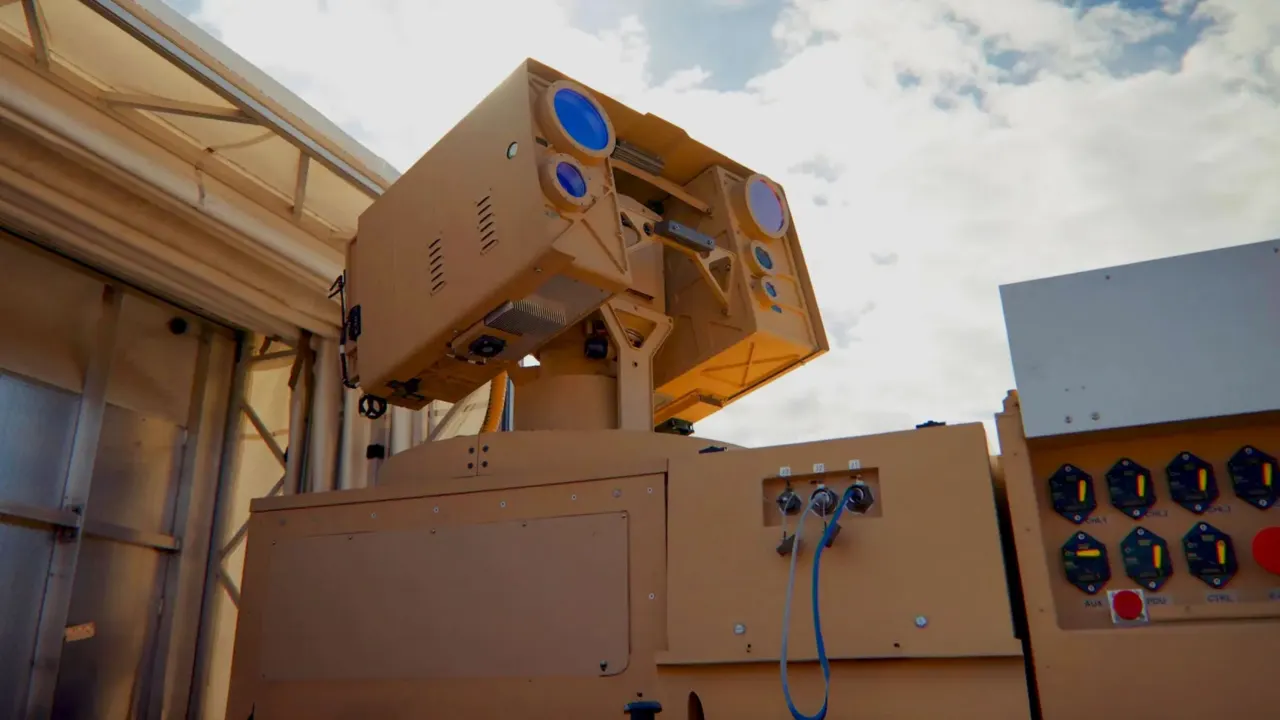
US Northern Command's Joint Task Force Southern Border (JTF-SB) used a high-energy laser weapon to shoot down drones near the Texas-Mexico border overnight on 25-26 August, marking a new escalation in the deployment of directed-energy technology against unmanned aircraft. The operation, which took place in the vicinity of the Rio Grande Valley, used technology derived from the Army's High-Energy Multipurpose Laser (AMP-HEL) programme, and JTF-SB commander Curtis Taylor suggested the drones may have been linked to cartel networks conducting surveillance or facilitating human smuggling.
The weapon involved, known as the Locust Laser Weapon System, was developed by defence firm AeroVironment and delivered to US forces in prototype form in September 2025, with upgraded versions following in December. Operating at 20 kilowatts, it uses sensors and cameras to track a target before focusing and intensifying a light beam to disable or destroy it through heat. Neither the exact location of the strike nor the origin of the drones has been officially confirmed, but the action fits within the Trump administration's wider deployment of advanced technology to combat illegal immigration and drug trafficking along the southern border.
In short
- US military used a laser weapon to down drones near the Texas border
- Locust laser system, developed by AeroVironment, operates at 20 kilowatts
- Officials suspect drones were linked to cartel smuggling or surveillance activity
Steelman: both sides, in good faith
The strongest fair case each way — we don't pick a winner.
The case for
Supporters could argue that a laser offers a precise, rapid way to stop drones that may be helping criminal networks monitor border operations or facilitate smuggling, while avoiding the use of conventional ammunition. They may see testing such technology as a proportionate way to protect personnel and improve border security, provided targets are adequately identified and safeguards are in place.
The case against
Critics could argue that the drones’ origin and purpose have not been confirmed, making a forceful response difficult to justify on the available evidence. They may also question whether deploying a weapon near populated areas creates avoidable risks, and warn that normalising military technology for border enforcement could expand its use without clear oversight or proof of effectiveness.
Explained simply
The US shares a long southern border with Mexico, including the Rio Grande Valley in Texas. Small unmanned aircraft, or drones, can be used to watch activity from the air, and US officials have said criminal groups sometimes use them for surveillance or to help move people across the border.
The Locust is a laser system made by US defence company AeroVironment. It tracks a drone with cameras and sensors, then directs a powerful beam of light at it; the concentrated energy heats the target and can disable or destroy it.
The US military has been developing laser weapons as a way to counter drones. Their use near the border forms part of wider efforts by the US government to use technology against illegal crossings and drug trafficking, though the drones’ origin and any link to criminal groups have not been confirmed.
Americas Art Business Culture Markets World