USS Abraham Lincoln docks in Thailand resort town after reports of alarming conditions during 200 days at sea
Developed over time first seen 2 months ago
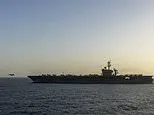
The USS Abraham Lincoln has completed a lengthy Middle East deployment by docking at Laem Chabang port near the Thai resort town of Pattaya, giving its roughly 5,000 sailors and Marines a chance to rest after more than 250 consecutive days at sea, a record for the carrier. The stop, welcomed by Rear Admiral Robert Loughran as recognition of the crew's endurance and of US-Thai ties, comes weeks after the USS George Washington had to relieve the Lincoln amid reports of gruelling conditions, low morale and claims of suicidal ideation among some crew members.
Thai authorities have set strict conditions for visiting personnel, including bans on cannabis use and parasailing, a 2am curfew in the Walking Street nightlife district, and warnings that breaches of Thai law — including strict rules against criticising the monarchy, which carry penalties of up to 15 years — will be prosecuted. Pattaya, which grew from a fishing village into a tourist hub during the Vietnam War, also carried out weekend raids detaining 40-50 people as part of a crackdown on prostitution ahead of the visit, though the mayor denied any link to the ship's arrival; officials say they hope the city can become a regular "vacation spot" for US forces in future.
- USS Abraham Lincoln docks in Pattaya after 250+ day deployment
- Crew faced dire conditions; George Washington had to relieve it
- Thailand imposes curfew, drug and legal restrictions on sailors
New here? Start with this
Pattaya, on Thailand's eastern coast, is a beach resort town that has drawn US Navy ships for decades, dating back to the Vietnam War era when it became a well-known rest stop for American troops. The USS Abraham Lincoln is a US aircraft carrier, essentially a floating airbase crewed by thousands of sailors and Marines, and its arrival there is a routine kind of visit called a port call, giving the crew a break from life at sea.
This particular deployment has drawn attention because it lasted more than 200 days, considerably longer than a typical carrier deployment, with the ship at sea since late November amid tensions involving Iran. Extended deployments like this put strain on crews, and there have been reports of difficult conditions on board during the voyage.
Pattaya's tourism industry, including its nightlife and sex trade, has long been intertwined with visits from foreign militaries, and Thai authorities typically step up policing when a large group of foreign personnel arrives in the town. Local officials, including the mayor, are involved in coordinating with the US military over rules of conduct for visiting service members during their stay.
Both sides, in good faith
The strongest fair case each way — we don't pick a winner.
The case for
Supporters of the port call see it as a necessary and humane response to a genuinely gruelling deployment: after more than 200 days at sea, including tense operations connected to the Iran conflict, and credible reports of low morale and suicidal ideation among the crew, decompression time ashore is an operational and welfare necessity, not a luxury. They point out that alliance-strengthening port visits have long benefited both militaries and host economies, that Pattaya's officials have actively sought this business, and that Thai authorities have acted responsibly by tightening security, imposing curfews and cracking down on prostitution beforehand to manage risks rather than ignore them.
The case against
Sceptics argue that channelling thousands of young sailors and Marines into a town with a well-documented history of sex tourism tied to earlier US deployments risks reinforcing an exploitative industry, whatever safeguards are announced, and note that the very need for raids and curfews immediately before the visit shows the underlying problem persists rather than being solved. They would also contend that treating a single shore leave as the fix for reported suicidal ideation and collapsing morale sidesteps the harder question of whether deployment lengths and operational tempo need structural reform, rather than relying on a resort stop as a release valve.
Full account
The USS Abraham Lincoln, a nuclear-powered US Navy aircraft carrier, has docked at the port of Laem Chabang, near the Thai resort city of Pattaya, bringing an unusually long stretch at sea to an end. The vessel's roughly 5,000 sailors and Marines are being given the chance to rest before the ship eventually returns to the United States. Rear Admiral Robert Loughran, commander of Carrier Strike Group 3, said the stop offered a well-earned opportunity for the crew to recover, and also reflected the long-standing defence relationship between Washington and Bangkok.
Accounts vary slightly on exactly how long the carrier had been away from port, with figures ranging from just over 200 days to a reported 250 days without a stop, which some reports describe as a record for the vessel. The ship left its home base of San Diego in November on what had originally been billed as a six-month posting to the Pacific and South China Sea, before being redirected to the Gulf once the United States and Israel launched military action against Iran earlier in the year. In the weeks before the Pattaya visit, several members of the US Congress had raised concerns about conditions aboard the carrier, citing reports of food shortages, malfunctioning toilets and strain on crew morale. The Navy has acknowledged that the deployment was demanding but maintains that personnel were adequately supported throughout.
Pattaya's relationship with American servicemen dates back decades: the city grew from a small fishing settlement into a major entertainment hub largely because of visiting US troops during the Vietnam War, and it has since become known internationally for its nightlife and sex trade. In the run-up to the carrier's arrival, local police carried out raids that reportedly led to dozens of detentions as part of a clampdown on prostitution, though the city's mayor, Poramet Ngampichet, has rejected any suggestion this was timed because of the ship's visit. Thai and American authorities have also agreed a set of restrictions for visiting personnel, including bans on activities such as parasailing and cannabis use — legal for Thai residents since 2022 — along with prohibitions on vapes, which can carry lengthy prison sentences in Thailand. The well-known Walking Street entertainment strip will remain open to sailors, but with a 2am curfew, and certain areas, including the red-light lane of Soi 6, have reportedly been placed off-limits. Local police have warned that any breach of Thai law by visiting personnel will be pursued through the courts.
For Pattaya's traders, the carrier's arrival is being framed chiefly in economic terms. Tourism in the city has reportedly suffered because of the wider fallout from the conflict involving Iran, which has curbed visitor numbers, including from the Middle East, and dented consumer spending. Business owners are hoping that thousands of crew members, many with months of unspent wages, will provide a welcome boost, and shops near Walking Street have begun advertising discounts aimed at American service personnel. City officials have gone further, expressing hope that Pattaya could become a regular stopover — even a favoured vacation destination — for US forces in future, whether for training exercises or rest periods, as the port visit draws to a close before the carrier resumes its journey home.
Where outlets differ
Reports disagree on the length of the deployment before this stop — one account puts it at 'more than 200 days', while another describes it as a 'record 250 days' without a port call.
Coverage citing Newsweek, the Independent and the Guardian emphasises the rules imposed on sailors (curfews, banned activities, the prostitution crackdown) and local officials' hopes to attract future US visits, whereas the BBC account places more weight on the hardship reports raised in Congress (food shortages, broken toilets, mental strain) and draws out the historical parallel with Vietnam War-era R&R visits.
The BBC notes that the Navy declined to comment specifically on the Pattaya port call, citing operational security, while other reporting quotes a Navy statement welcoming the stop.
The BBC frames the visit partly through the lens of a downturn in Middle Eastern tourism to Pattaya linked to the Iran conflict, a detail not covered in the other reporting, which focuses more on the mechanics of the crackdown and restrictions.