Culture news and discussion on TalkFuse.
UTA Signs ‘Tangles’ Director & Giant Ant Founder Leah Nelson
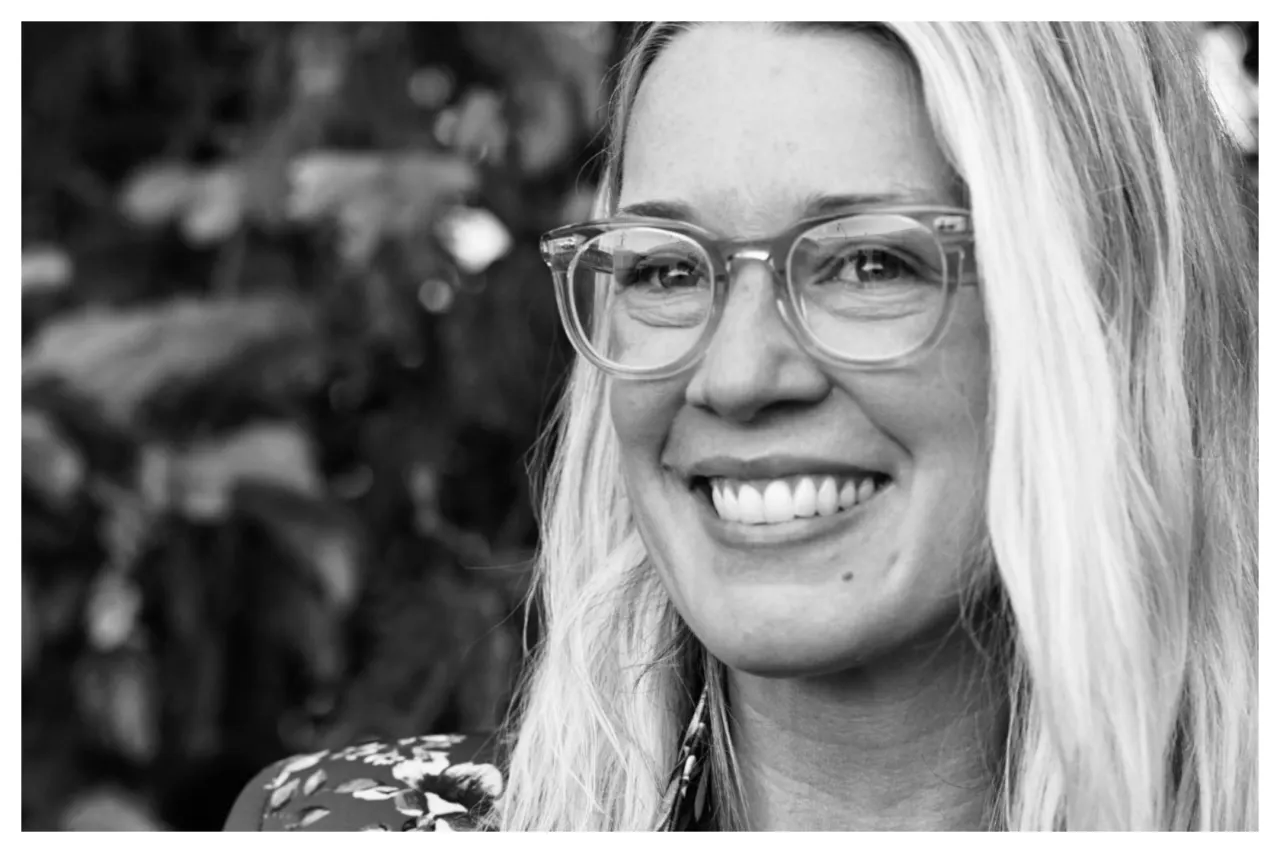
United Talent Agency has expanded representation of writer-director Leah Nelson following the successful premiere of her directorial debut, an animated feature called Tangles. The film, which premiered at the Cannes Film Festival in May, explores the experience of a San Francisco-based graphic artist who returns to Maine to care for her mother after she receives an Alzheimer's diagnosis. The project features voice acting from an accomplished ensemble including Julia Louis-Dreyfus, Bryan Cranston and Seth Rogen, and is adapted from Sarah Leavitt's graphic memoir of the same title.
Nelson's path to feature filmmaking began with commercial and animation work following her graduation from Emily Carr University. She co-founded the Vancouver-based animation studio Giant Ant, which has accumulated multiple Emmy Awards for projects spanning film, television and advertising, before establishing production company Kiddo Films in 2018. With Tangles, Nelson is advancing her stated focus on narratives centred on female voices and the complexities of family relationships as she moves into longer-form storytelling.
In short
- Talent agency UTA has signed director and animator Leah Nelson for representation across all professional areas
- Nelson's animated feature debut 'Tangles' premiered at Cannes to critical acclaim; the film addresses Alzheimer's care and family dynamics
- Nelson previously co-founded Emmy-winning animation studio Giant Ant in Vancouver before transitioning to feature filmmaking
Explained simply
Leah Nelson is a writer and director who began her career in animation and commercial work after studying at Emily Carr University. She co-founded Giant Ant, a Vancouver animation studio known for work across film, television and advertising, and later started the production company Kiddo Films.
Tangles is an animated feature adapted from Sarah Leavitt’s graphic memoir. It follows a graphic artist who returns to Maine to care for her mother after an Alzheimer’s diagnosis, bringing family relationships and caregiving into the story. Its move from a memoir to a feature film marks Nelson’s step into longer-form storytelling.