Technology news and discussion on TalkFuse.
Valve addresses Steam’s AI game cloning problem – by suggesting developers make their games less copyable
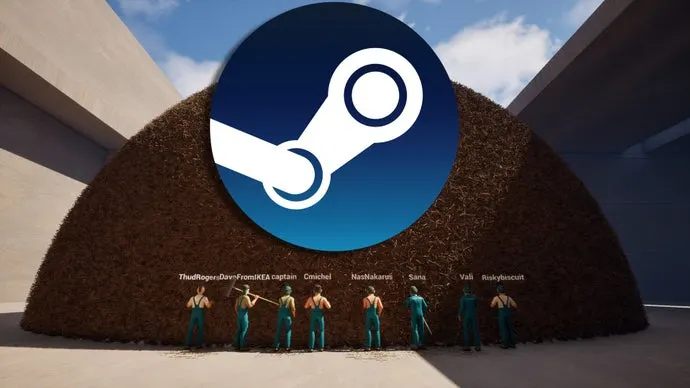
Valve has advised game developers to make their games harder to copy after being asked about AI-generated clones appearing on Steam. Its response places much of the burden on developers, rather than outlining new platform safeguards, renewing debate over how much responsibility Steam should take for moderating its growing catalogue.
Valve business team members Tom Giardino and Marc Wilkinson were reportedly asked about protections at a developer conference in Korea. Giardino said Valve did not want to dictate which AI tools developers use, and suggested building community and trust, offering the best version of a game, and adding distinctive features and creativity. The reported comments were relayed second-hand and through machine translation; they follow repeated copies of the unreleased Needle in a Haystack Simulator, while legal action may be costly and slow for small developers.
In short
- Valve urged developers to make games harder to copy.
- It did not announce new safeguards against AI clones.
- Repeated copies of an unreleased indie game illustrate the problem.
Steelman: both sides, in good faith
The strongest fair case each way — we don't pick a winner.
The case for
Steam hosts a vast catalogue and faces practical limits in checking every submission, while developers are often best placed to build distinctive games and maintain direct relationships with their communities. Valve may also reasonably avoid dictating which AI tools creators can use, since broad restrictions could constrain legitimate experimentation without reliably preventing copying.
The case against
Steam controls access to its marketplace and benefits from its scale, so it has a responsibility to provide safeguards against clear cases of copying rather than leaving protection mainly to individual developers. Small studios may lack the money or time for legal action, and advice to make games harder to copy offers little recourse when clones appear before a game is even released.
Explained simply
Steam is a digital shop where people buy and download computer games. It hosts games from large studios and independent developers, and its catalogue has grown as publishing games has become more accessible.
AI tools can help create text, images and other game content, raising questions about when a game is too similar to another and who should address it. Developers may have legal options if their work is copied, but pursuing a case can take time and money.
The issue involves the balance between protecting original games and deciding what belongs on a large platform. Developers, players and Steam all have an interest in how copies are handled and what safeguards are used.
AI Americas Entertainment Gaming Software Technology