Culture news and discussion on TalkFuse.
Valve Is Expanding SteamOS Support to More Handhelds, and I Hope It Keeps Growing
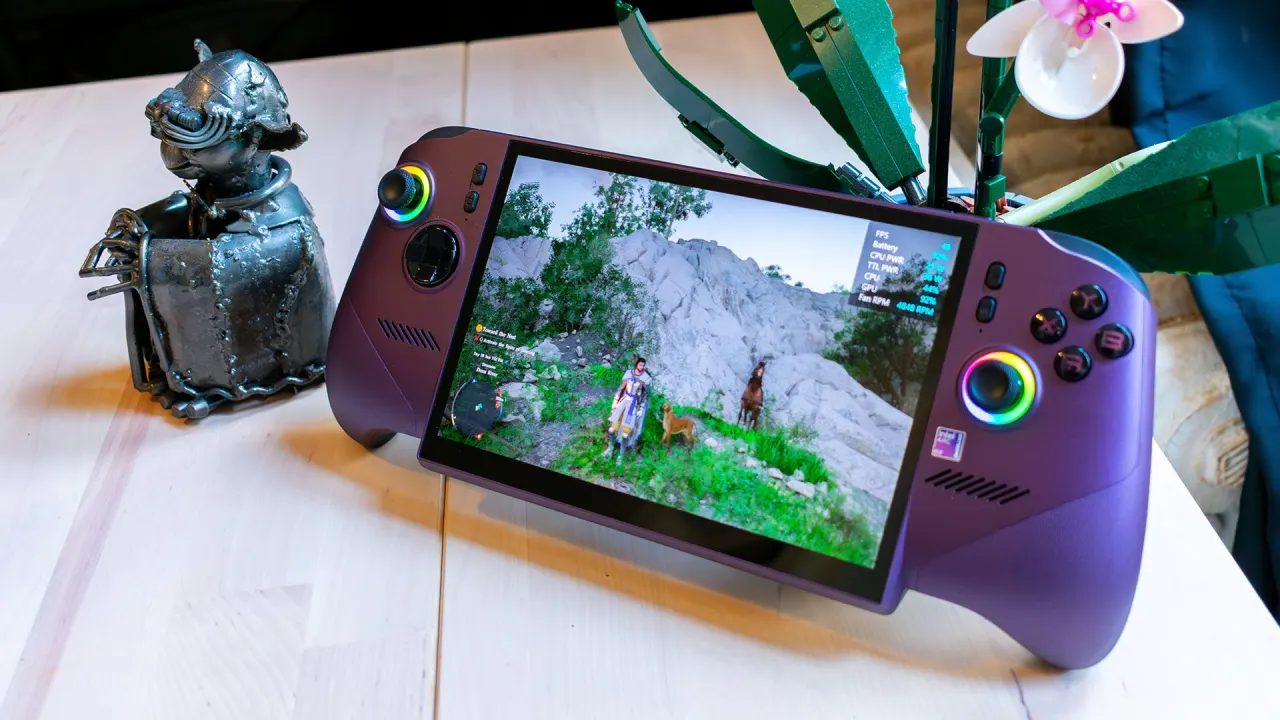
Valve has begun extending SteamOS support beyond its own AMD-powered hardware, adding preliminary gamepad compatibility for the MSI Claw 8 EX AI+, the Ayaneo Pocket S2 and the Konkr Fit in its latest weekly update. This matters because it signals Valve is following through on promises to broaden SteamOS to non-AMD chipsets, including Intel-based handhelds and, for the first time, Android-based devices, potentially making the operating system a viable alternative to Windows across a much wider range of gaming handhelds.
The update follows roughly a month of frequent SteamOS releases since the Steam Machine launched, and comes after Valve's FAQ encouraged users unable to buy a Steam Machine to install SteamOS on their own hardware. While the Claw 8 EX AI+ support is notable mainly for bringing Intel chipsets into the fold, the Pocket S2 and Konkr Fit would mark SteamOS's first appearance on Android handhelds. The author notes that Nvidia graphics cards, which power 72% of gaming PCs per the latest Steam Hardware Survey, remain unsupported, and Valve has only hinted at future compatibility, leaving that as the biggest barrier to wider SteamOS adoption.
In short
- Valve adds preliminary SteamOS gamepad support for three more handhelds
- MSI Claw, Ayaneo Pocket S2 and Konkr Fit are first non-AMD devices
- Nvidia support, covering 72% of gaming PCs, still missing
Steelman: both sides, in good faith
The strongest fair case each way — we don't pick a winner.
The case for
Supporting broader SteamOS adoption across diverse handheld hardware promotes consumer choice and market competition, reducing reliance on Windows' dominance. When multiple operating systems compete, they drive innovation and prevent any single ecosystem from exploiting its position. By making good on commitments to support non-AMD chipsets, Valve helps build a healthier, more open handheld gaming market.
The case against
Valve should focus development resources on perfecting SteamOS for its core Steam Deck experience rather than spreading support thinly across incompatible hardware from multiple manufacturers with varying commitments. Each device variant risks poor implementation, compatibility issues, or inadequate vendor support, potentially damaging SteamOS's reputation and user experience. With Nvidia GPUs powering 72% of gaming PCs still unsupported, expanding to less established devices seems strategically backwards when fundamental barriers remain unresolved.
Explained simply
SteamOS is the operating system Valve makes for playing PC games, best known on its Steam Deck handheld. It connects to Steam, the online shop and library where players buy and run games, and is built on Linux rather than Windows.
Valve makes the Steam Deck and the Steam Machine, but many other companies make gaming handhelds too. Their devices use different chips and hardware, so getting SteamOS to work across them involves supporting each type; the MSI Claw, Ayaneo Pocket and Konkr are examples from other makers.
Broader support could give handheld owners more choice about which system to use, and make SteamOS relevant beyond Valve’s own devices. Its reach also depends on how well it works with common PC hardware, including graphics cards made by Nvidia.
Art Celebrity Culture Entertainment