Entertainment news and discussion on TalkFuse.
Valve see the great RAM shortage “getting worse,” just in case you were clinging to hopes of a cheaper Steam Machine
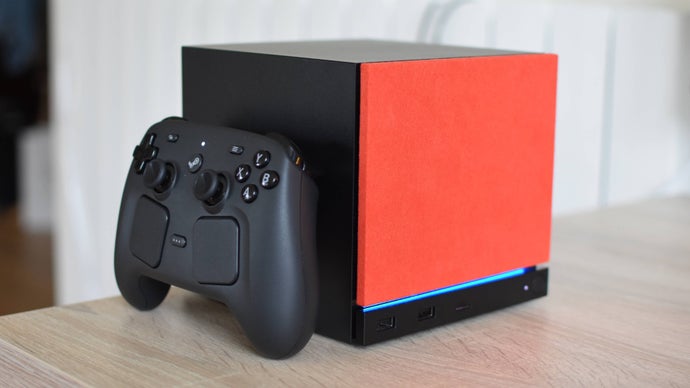
Valve engineers have warned that the global RAM shortage affecting PC and console hardware pricing is continuing to worsen, dampening hopes that its upcoming Steam Machine could become cheaper any time soon. In an interview with Bloomberg's Jason Schreier, Steam Machine engineers Yazan Aldehayyat and Pierre-Loup Griffais said retail prices are still lagging behind bulk supply trends by several months, meaning the current relative stability in component pricing may not last.
Aldehayyat said retail shelves are seeing effects that lag bulk supply signals "by at least three to six months," suggesting recent stability in DDR5 memory and SSD prices could be temporary rather than a sign of recovery. Valve declined to speculate on future pricing for the Steam Machine itself, but the comments echo similar warnings from other hardware makers including Lenovo, Zotac and Seagate. The shortage has been widely linked to AI data centres consuming vast amounts of DRAM chip supply, driving worldwide component shortages and price-fixing accusations.
In short
- Valve says the global RAM shortage is "still getting worse"
- Retail prices lag bulk supply signals by three to six months
- AI data centre demand is blamed for driving the shortage
Steelman: both sides, in good faith
The strongest fair case each way — we don't pick a winner.
The case for
Engineers from major companies including Valve, Lenovo and Seagate provide credible warnings of worsening supply constraints, with the finding that retail prices lag wholesale signals by 3-6 months indicating current stability is temporary. Unprecedented AI demand for DRAM represents a structural driver showing no signs of abating, justifying serious concern about sustained high hardware prices.
The case against
Technology industry history demonstrates that supply predictions, particularly pessimistic ones, often prove overstated as market incentives drive rapid capacity expansion and competition. High component prices create strong motivation for new production and alternative sources to emerge; these warnings may reflect conservative estimates rather than probable outcomes, and markets have typically normalised such disruptions faster than initially predicted.
Explained simply
The Steam Machine is a gaming console made by Valve, a video game company, that allows personal computer games to be played on television sets. The world is currently experiencing a shortage of RAM (random-access memory), a crucial component that all computers and gaming devices need to function. This shortage has caused computer hardware components to become more expensive, affecting consumers who want to buy gaming devices.
The supply problems have affected multiple technology companies, from major laptop and graphics card manufacturers to various electronics makers. When wholesale supply changes, retail prices typically take several months to reflect those changes, so today's pricing may not reveal what future costs will be.
The shortage stems from artificial intelligence data centres consuming enormous quantities of RAM chips to power their systems. This surge in demand from the AI sector has significantly reduced the amount of memory available to companies making consumer electronics, creating a supply crunch that has lifted prices across the industry.