Culture news and discussion on TalkFuse.
Van Eyck: The Portraits review – a jewel box of phenomenal death-defeating paintings
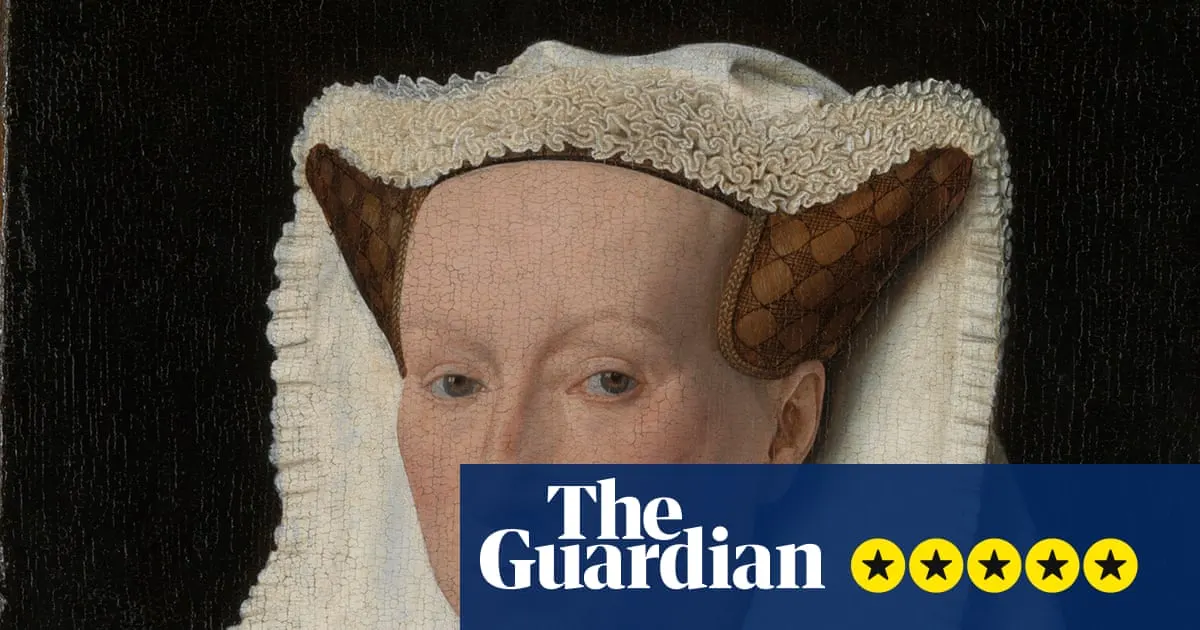
The National Gallery’s exhibition brings together Jan van Eyck’s portraits for the first time, showing how his painstaking realism makes people from six centuries ago seem startlingly present. The review argues that his images do more than record appearances: they preserve ordinary people, with all their imperfections, against the passage of time and death.
Van Eyck’s layered oil technique captures minute details such as individual hairs, wrinkles, skin and the glint of a goldsmith’s ring. The portraits include a woman identified as his wife, Bruges goldsmith Jan de Leeuw, courtier Baudoin de Lannoy and a young man pictured with the words “Léal Souvenir”, suggesting remembrance and loss. The exhibition focuses on portraits made as images of people in their own right, setting aside the religious works and devotional context that also shaped Van Eyck’s career.
In short
- The National Gallery brings Van Eyck’s portraits together.
- His oil paintings preserve extraordinary detail.
- The images turn portraiture into an act of remembrance.
Explained simply
Jan van Eyck was a 15th-century painter from the Low Countries, best known for portraits and religious works. He worked in Bruges and at the court of Philip the Good, Duke of Burgundy, where he painted people including officials and skilled tradesmen.
Van Eyck built up oil paint in fine layers, allowing him to depict details such as skin, hair and clothing with unusual precision. His portraits were made centuries before photography, when images of individuals were less common and could serve as lasting records of a person’s appearance and status.
The paintings matter because they offer a close view of people who lived more than 600 years ago, including their distinctive features and expressions. Some also carry signs of remembrance, linking portraiture to how people wished to be recalled after death.