Van Jones calls out El-Sayed for ‘insane’ belief that he’s ‘smarter than Barack Obama’ on Israel policy
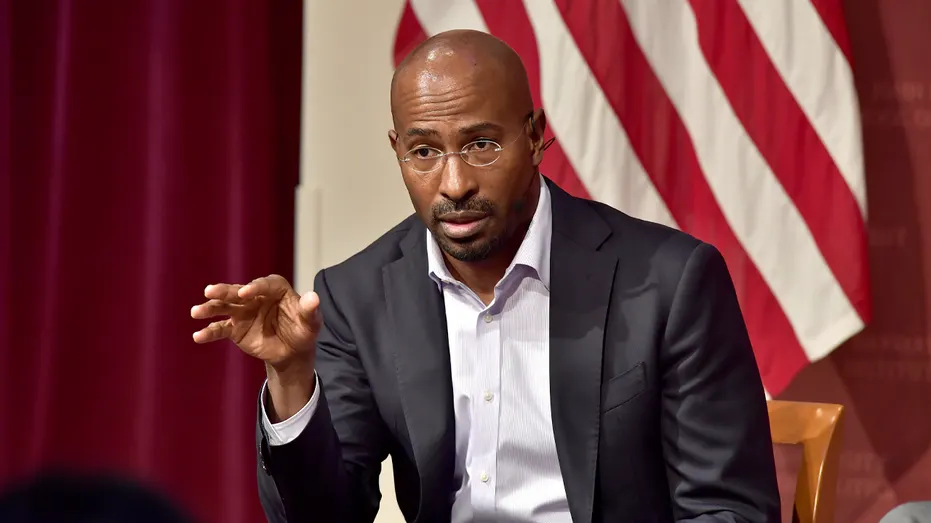
CNN commentator Van Jones publicly criticised Michigan Democratic candidate Abdul El-Sayed over his stance on Israel, calling his positions "insane" and questioning whether El-Sayed believed he was wiser than former President Barack Obama on foreign policy. Jones made the remarks on the "Ask Haviv Anything" podcast while discussing what he described as a fracturing of the historic alliance between Black and Jewish Americans, and warned that similar views among progressive Democrats were becoming a "dangerous" trend within the party.
Jones said El-Sayed supports a total arms embargo against Israel, including defensive weapons such as missile interceptors, which he contrasted with what he called a more defensible Democratic position of conditioning military aid. He noted that Obama had backed the development of Israel's Iron Dome interceptor system, arguing El-Sayed's stance effectively rejected Obama's approach. Other commentators, including Democratic consultant Julian Epstein and former Trump administration official Theo Wold, echoed and expanded on the criticism, with Wold linking El-Sayed's views to what he called a broader pattern among recent immigrant communities.
In short
- Van Jones brands Abdul El-Sayed's Israel stance "insane" on a podcast.
- El-Sayed reportedly backs a total arms embargo on Israel, even defensive weapons.
- Jones contrasts this with Obama's support for Israel's Iron Dome system.
Steelman: both sides, in good faith
The strongest fair case each way — we don't pick a winner.
The case for
A total arms embargo, including defensive systems, can be defended as a way to avoid enabling military actions that critics consider unlawful or harmful to civilians, and to press for a decisive change in policy. Supporters may also argue that conditioning aid has not provided enough leverage and that a consistent standard should apply to all military assistance.
The case against
Maintaining defensive assistance while conditioning other military aid can be defended as protecting Israeli civilians from rocket attacks while preserving leverage over offensive operations. Critics of a total embargo may argue that ending support for systems such as Iron Dome could increase civilian risks and depart from a bipartisan approach that combines Israel’s security with scrutiny of its conduct.
Explained simply
The US has long provided Israel with military aid and diplomatic support, while debate continues over how that support should respond to Israeli government actions. Some Democrats favour making aid conditional; others argue for ending arms transfers, including weapons used to intercept incoming missiles.
Abdul El-Sayed is a Michigan politician who has run for elected office as a Democrat and is associated with the party’s progressive wing. Barack Obama, a former Democratic president, supported the development of Israel’s Iron Dome missile-defence system, which is designed to intercept rockets.
The dispute also touches on relations between Black and Jewish Americans, communities with a history of political cooperation as well as periods of tension. Disagreements over Israel policy have become a point of debate within the Democratic Party.
Art Culture Government Middle East Politics World