Politics news and discussion on TalkFuse.
Vance courting disgruntled Trump voters to form ‘new right’ alliance after Republican bloodbath, sources say
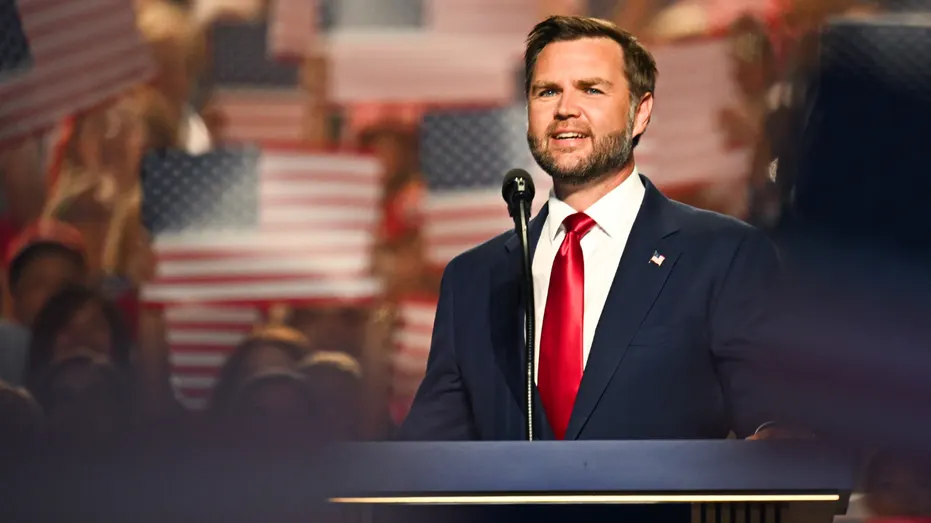
Vice President JD Vance is using the Republicans’ heavy midterm losses to argue for a change in the party’s direction and build support among Trump voters who feel let down by the president’s foreign policy. His comments mark a public difference with Donald Trump over the Iran war and the US relationship with Israel, while positioning Vance as a potential standard-bearer for an “America First” coalition ahead of 2028.
Vance said the Iran war was the reason Republicans lost and listed four priorities for winning voters back: ending the war, tackling living costs and inflation, putting America first, and changing the relationship with Israel. A Trump administration official described this as an appeal to voters who still support Trump but disagree with his foreign policy, rather than a break with him. After the midterms, Democrats held 54 Senate seats to Republicans’ 44, with counting continuing in Alaska.
In short
- Vance blamed the Iran war for Republican midterm losses.
- He outlined four priorities to win disaffected Trump voters.
- The appeal could shape the 2028 Republican contest.
Steelman: both sides, in good faith
The strongest fair case each way — we don't pick a winner.
The case for
Vance’s argument is that Republicans need to respond to voters who believe the Iran war and the party’s foreign policy have distracted from domestic priorities and the “America First” promise. Ending the war, addressing living costs and reconsidering the relationship with Israel could help rebuild trust while bringing disaffected Trump supporters back into the coalition.
The case against
A party leader could argue that attributing the midterm losses chiefly to the Iran war risks oversimplifying voters’ choices and turning a setback into a foreign-policy schism. Publicly challenging Trump’s approach may weaken party unity and unsettle allies, while changing course on Israel or the war could carry strategic costs that voters also care about.
Elections Middle East Politics World