Entertainment news and discussion on TalkFuse.
Vanity Fair editor defends cover profile with terse Timothée Chalamet: ‘He was a lovely houseguest’
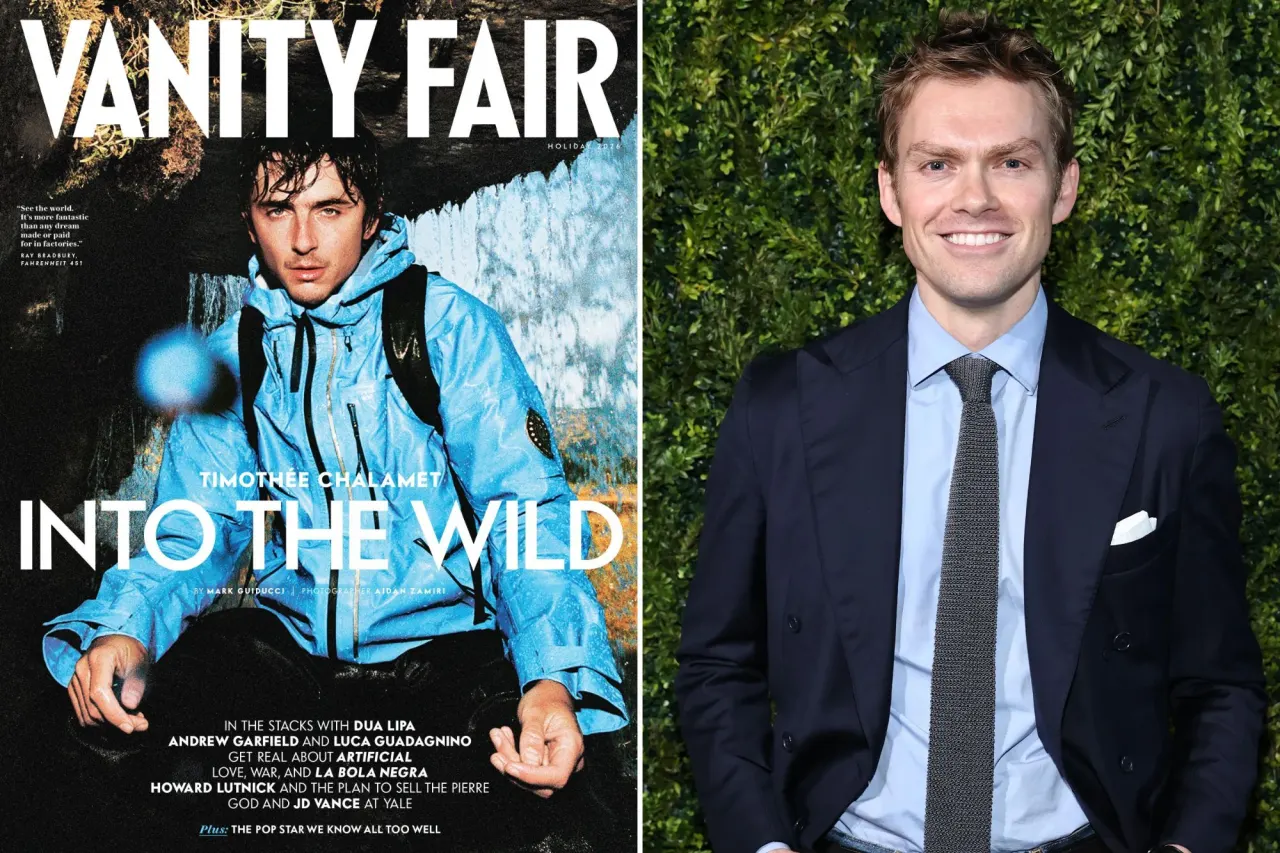
Vanity Fair global editorial director Mark Guiducci defended his cover profile of Timothée Chalamet after readers criticised it for focusing more on Guiducci’s flat than on the actor. He said Chalamet was polite and enjoyable company, and explained that the interview took place at his home because the actor has limited options for appearing in public.
Chalamet asked Guiducci, who does not usually write, to conduct and write the feature. Their 90-minute conversation yielded few personal revelations, with Chalamet declining some questions; the resulting 3,500-word article describes them looking through old magazines and discussing art in the flat. Guiducci said Vanity Fair now asks each editor to write a feature once a year to build respect for writers’ work and humility.
In short
- Readers criticised the profile for its focus on the editor’s flat.
- Chalamet gave few answers during their 90-minute conversation.
- Guiducci called him a lovely guest and welcomed him back.
Steelman: both sides, in good faith
The strongest fair case each way — we don't pick a winner.
The case for
Guiducci’s approach can be defended as an attempt to meet Chalamet’s request for a particular interviewer while accommodating his limited opportunities to appear in public. A profile can also convey something through a subject’s choices and surroundings, and Guiducci’s own account of the conversation may offer readers a candid view of how the interview unfolded.
The case against
Readers can reasonably expect a cover profile to centre on its subject, especially when it runs 3,500 words, and may feel that the focus on Guiducci’s flat and the lack of personal revelations left Chalamet underexamined. Having the magazine’s editorial director conduct and write the feature also invites scrutiny over whether the result served readers as well as the editor’s aims of building respect for writers’ work.
Explained simply
Vanity Fair is a US magazine known for profiles of actors, artists and public figures. Timothée Chalamet is an actor whose fame means that being seen in public can attract attention, so interviews may take place in private settings.
A cover profile is a long feature built around an interview, often intended to give readers a fuller picture of its subject. Here, the interviewer was Mark Guiducci, Vanity Fair’s global editorial director; he said Chalamet had asked him to conduct and write the piece, although Guiducci does not usually write features.
The story has also drawn attention to how the article was made and what it focused on. Guiducci said the magazine asks editors to write a feature each year so they better understand the work of its writers.