World news and discussion on TalkFuse.
Venezuelans, Cubans, Colombians arrive in African nation under Trump deportation deal
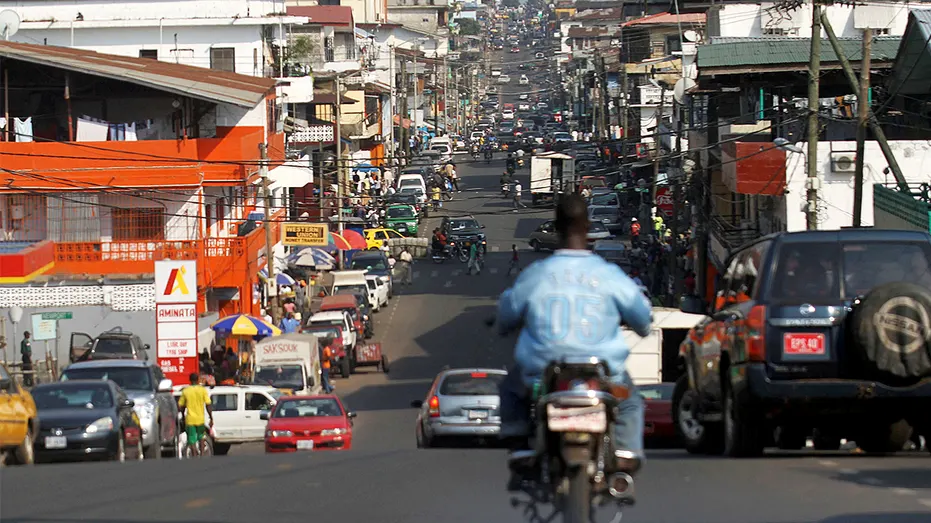
Liberia has received its first deportation flight from the United States, part of an agreement under which the West African nation will accept up to 1,200 third-country nationals deported from the US over the course of a year. The arrangement forms part of the Trump administration's wider push to expand deportations to countries beyond migrants' countries of origin, relying on third-party nations willing to take in foreign nationals the US wishes to remove.
The initial flight, which arrived on Thursday, had been expected to carry around 20 deportees, but instead brought mostly Latin American nationals, including people from Venezuela, Cuba and Colombia, according to Liberian Information Minister Jerolinmek Piah, speaking to Reuters. Further details of the arrivals were not fully specified in the report.
In short
- Liberia received its first US deportation flight under a new migrant deal.
- Liberia has agreed to accept up to 1,200 deportees within a year.
- Flight carried mostly Venezuelan, Cuban and Colombian nationals, not the expected 20.
Steelman: both sides, in good faith
The strongest fair case each way — we don't pick a winner.
The case for
Immigration enforcement advocates argue that nations possess an inherent right to control their borders and enforce immigration law, and that deporting individuals to willing third countries provides a practical solution when origin nations obstruct bilateral returns. They maintain that such voluntary bilateral arrangements represent a legitimate tool for upholding the rule of law and national sovereignty, especially when migrants lack legal status or have exhausted available pathways to remain.
The case against
Critics argue that deporting individuals to nations where they have no family, language skills, employment history, or cultural ties raises serious humanitarian concerns about fair treatment and successful integration. They question whether economically vulnerable nations can genuinely consent to such arrangements, and contend that third-country deportations, rather than addressing root displacement causes, represent a superficial response that treats vulnerable people as administrative matters rather than persons deserving substantive policy consideration.
Explained simply
Deportation is the formal removal of someone from a country. The United States usually seeks to send people to their country of origin, but it has also pursued deals with other countries to accept people who are not their citizens.
Liberia is a West African country, and the United States is seeking its agreement to receive some people it wants to remove. The arrangement reflects a broader US effort to use countries beyond migrants’ homelands for deportations.
The issue matters because it involves people being sent to a country where they may have no national ties, and raises questions about their treatment and what happens next. The deal also links US immigration policy with Liberia’s role in receiving deportees from elsewhere.