Politics news and discussion on TalkFuse.
Venice Film Festival to Kick Off With Steady Stream of Stars on Red Carpet and Politics Looming in the Background
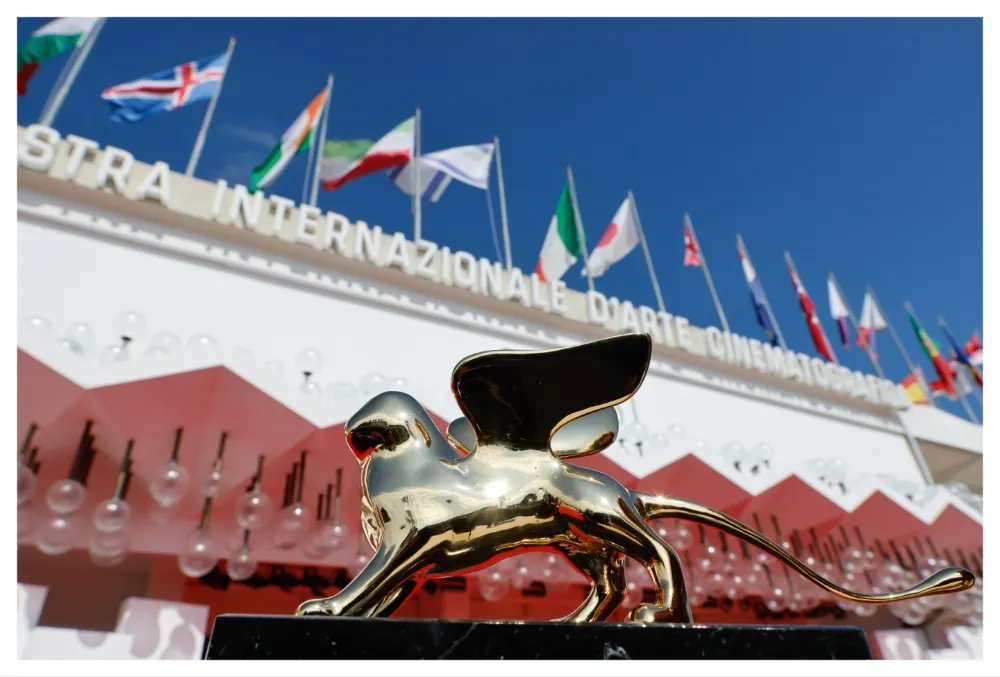
The Venice Film Festival opens on Wednesday with Danny Boyle's "Ink," a drama about how tabloid The Sun fuelled Rupert Murdoch's rise, launching 11 days of high-profile premieres that festival director Alberto Barbera has called the event's "most political" edition in recent years. Films addressing war, Palestine, immigration, climate change and shrinking political freedoms feature prominently, and controversy has already flared before the opening, including criticism from Ukrainian officials over the inclusion of Russian director Ilya Khrzhanovsky's "DAU" over alleged links to the Russian state. Despite a quieter presence from US studios and streamers this year, Venice remains a key launch pad for awards contenders and films seeking distribution deals.
Star-studded premieres lined up include "Ink" with Jack O'Connell, Guy Pearce and Claire Foy on 2 September; Robert Pattinson promoting "Primetime," in which he plays Chris Hansen, amid a dispute over an NDA the journalist refused to sign; and Martin McDonagh's "Wild Horse Nine" with Sam Rockwell, alongside Werner Herzog's "Bucking Fastard" starring Orlando Bloom and the Mara sisters, both on 3 September. Later highlights include the Gallagher brothers attending the Disney+ Oasis documentary on 5 September, and Penélope Cruz and Javier Bardem starring in Florian Zeller's "Bunker" and Alex Gibney's Elon Musk documentary "Musk," both premiering on 8 September, with Musk already dismissing the film as a "hit piece".
In short
- Venice Film Festival opens with Danny Boyle's Murdoch drama "Ink"
- Barbera calls this year's line-up the festival's "most political" yet
- Star-heavy premieres include Pattinson, Cruz, Bardem and an Elon Musk documentary
Steelman: both sides, in good faith
The strongest fair case each way — we don't pick a winner.
The case for
Supporters of Venice’s politically engaged programme could argue that a major festival should make room for films examining war, migration, climate change and political freedoms, since cinema can help audiences confront consequential issues. They may also see open debate over controversial works as preferable to excluding them in advance, while the festival’s premieres and industry attention help films reach wider audiences.
The case against
Critics could argue that giving prominent festival space to politically charged films, or to directors accused of links to a state, risks lending them legitimacy and turning an entertainment event into a platform for contested claims. They may also question whether films presented as investigations or criticism are fair and well-grounded, especially when people depicted dismiss them as hostile, and contend that the festival should scrutinise its choices carefully.
Explained simply
The Venice Film Festival is an annual international event where filmmakers present new films to audiences, critics and distributors. Its premieres can help films find buyers and build attention ahead of the awards season.
This year’s selection includes films about war, Palestine, migration, climate change and political freedoms, alongside major star-led premieres. Those subjects have prompted debate, including objections from Ukrainian officials to the inclusion of a film by Russian director Ilya Khrzhanovsky.
The festival matters both as a showcase for films seeking distribution and as a public stage where political disputes around culture can surface. Its programme brings together cinema, the film industry and wider arguments about how stories are told.
Geopolitics Offbeat Politics UK Weird & Viral World