Venice: ‘My Undesirable Friends’ Director on Epic Documentary About Death of Press Freedom in Russia, How Putin’s Crackdown Is Warning for U.S.
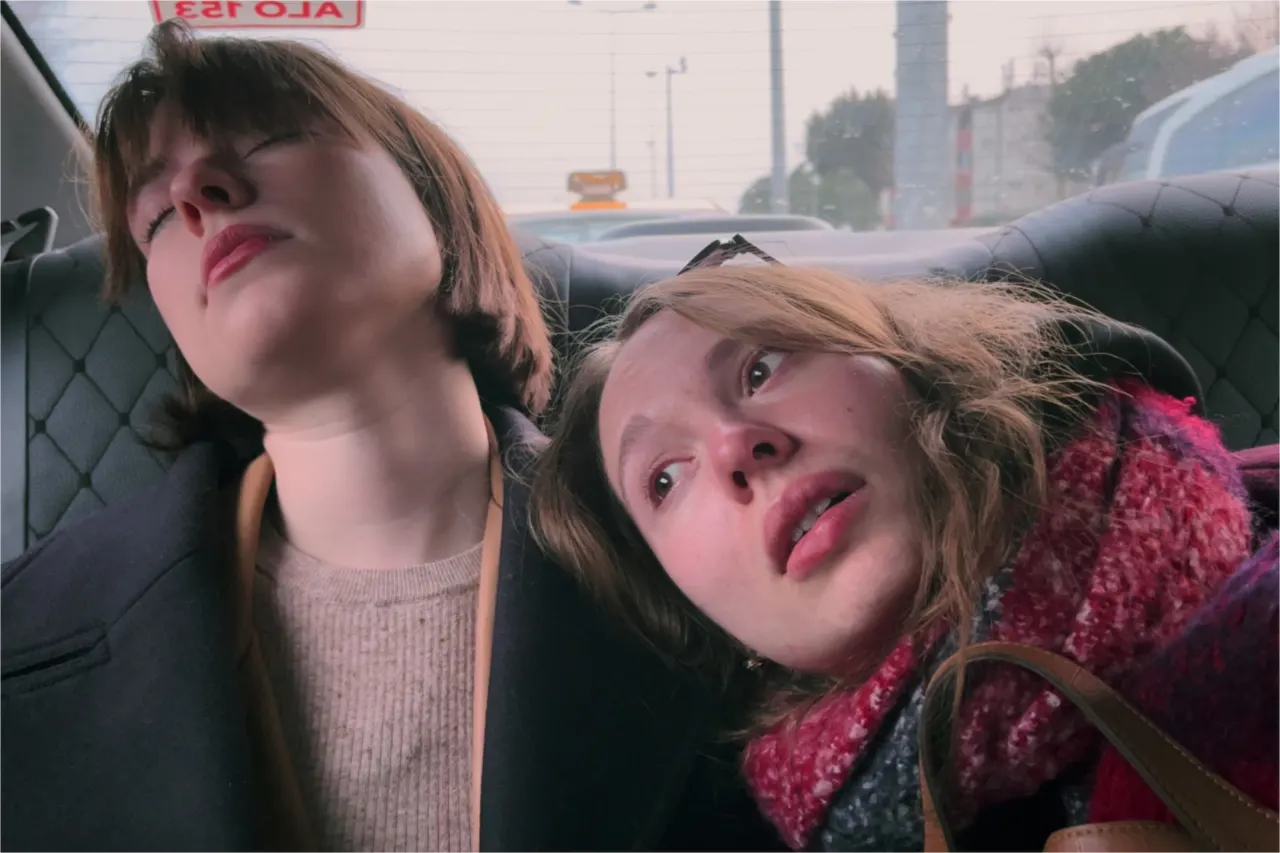
Julia Loktev's documentary "My Undesirable Friends: Part 2 — Exile" premieres out of competition at the Venice Film Festival, continuing her real-time chronicle of independent Russian journalists as they flee Vladimir Putin's regime following the invasion of Ukraine. The film serves as a sequel to the Oscar-shortlisted "Last Air in Moscow" and captures the human cost of Russia's crackdown on press freedom, with Loktev drawing pointed parallels to civil liberties concerns under the current Trump administration in the United States.
Filmed largely on an iPhone X, the sprawling project spans nearly 12 hours across 10 chapters and covers four and a half years, beginning just two days after the full invasion when journalists at independent broadcaster TV Rain fled Moscow following the station's designation as an "undesirable organisation". Loktev follows her subjects as they rebuild scattered lives in cities including Istanbul, Amsterdam, Prague and New York, describing their experience as a "strange nomadic existence" marked by fear and resilience, and says the documentary evolved from an intended study of "foreign agent" journalists into an unplanned record of history in the making.
In short
- Loktev's Venice documentary follows exiled Russian journalists after Ukraine invasion
- Sequel to Oscar-shortlisted film spans 4.5 years, 10 chapters, shot on iPhone
- Director sees parallels between Putin's press crackdown and US civil liberties concerns
Steelman: both sides, in good faith
The strongest fair case each way — we don't pick a winner.
The case for
Advocates of the director's framing argue that documenting the lived cost of press repression in Russia serves a legitimate warning function: authoritarian slides rarely announce themselves suddenly, and pointing to early markers such as designating outlets 'undesirable', pressuring journalists into exile, and eroding legal protections for reporters is a reasonable way to alert audiences elsewhere to similar warning signs, including in the United States. They would say that comparative vigilance, drawing on Russia's trajectory to scrutinise pressure on press freedom and civil liberties anywhere, is precisely what responsible journalism and documentary filmmaking are for, and that raising the alarm early is more responsible than waiting until institutions have already been captured.
The case against
Others would caution that equating the Putin government's systematic, state-enforced persecution of journalists, including exile, imprisonment and violence, with contested political and legal disputes in a functioning US democracy risks a false equivalence that trivialises the severity of genuine authoritarian repression. They would argue that America retains independent courts, a free press able to publish such criticism openly, and electoral accountability, none of which exist in Russia, and that using a documentary premiere to draw a direct parallel to a sitting administration blurs the line between artistic testimony and partisan political commentary, potentially undermining the film's credibility as objective historical record rather than advocacy.
Explained simply
Julia Loktev is a Russian-American filmmaker whose new documentary follows independent Russian journalists forced abroad after Vladimir Putin, Russia's long-serving president, tightened his grip on the media following the full-scale invasion of Ukraine in February 2022. Many of these reporters worked for outlets such as TV Rain, which was branded an "undesirable organisation" by the Russian state, a label that effectively criminalises its work and forced staff to flee the country almost overnight.
The film, shown at the Venice Film Festival, is a follow-up to Loktev's earlier Oscar-shortlisted documentary about the same TV station, and it tracks its subjects over several years as they try to rebuild their lives and continue reporting from cities such as Istanbul, Amsterdam, Prague and New York. It sits within a wider, well-documented pattern of the Russian government restricting independent journalism since the invasion, closing outlets, prosecuting reporters and pushing many into exile.
The story has drawn attention beyond Russia because Loktev has also linked her film's themes to debates in the United States about press freedom and civil liberties under the current Trump administration, making the documentary a talking point in wider discussions about how democracies protect journalists.
Art Business Culture Europe Markets World