Science news and discussion on TalkFuse.
Verdict delayed on controversial sea defences
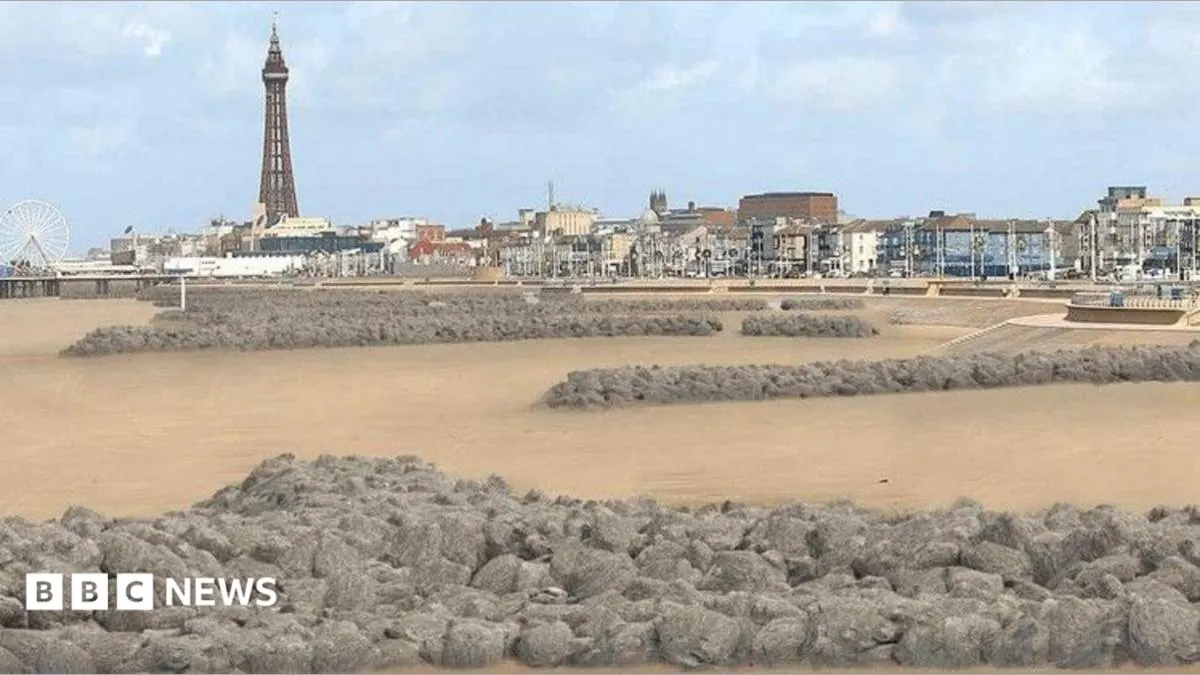
Blackpool councillors have delayed a decision on plans to build 17 rocky groynes along the coast, following a formal objection from the RNLI over safety risks. The proposal aims to protect the town’s sandy beaches by trapping sand, but more than 60 objections have been submitted.
Since the planning application was deferred, agencies have held discussions on risk assessments for rescue and recovery work near the groynes, and the council has updated assessments for its own coastal operations. Work could begin in early 2027 if permission is granted. If the current scheme cannot proceed, new funding rules could leave the council facing a £13m contribution towards a replacement scheme.
In short
- Blackpool’s decision on 17 coastal groynes has been delayed.
- The RNLI has raised concerns about risks to visitors and rescue teams.
- A replacement scheme could require £13m from the council.
Steelman: both sides, in good faith
The strongest fair case each way — we don't pick a winner.
The case for
The groynes could help retain sand and protect Blackpool’s beaches and coastline, potentially supporting the town’s amenities and reducing the need for more costly alternatives. If updated risk assessments and practical safeguards can address rescue concerns, proceeding may also avoid losing the current funding opportunity and facing a much larger council contribution for a replacement scheme.
The case against
The RNLI’s formal objection raises a serious concern that the structures could make rescue and recovery work more difficult or dangerous, and the volume of public objections suggests wider unease that merits careful scrutiny. Delaying or refusing permission until the risks are adequately understood may protect beach users and rescuers, even if that means seeking another coastal defence scheme and accepting additional cost.
Explained simply
Blackpool’s coastline is exposed to erosion, and its sandy beaches are important to the town’s seafront and tourism. Groynes are barriers built out from the shore to slow the movement of sand along the coast; the proposed rocky structures are intended to help keep sand on the beaches.
The RNLI, which provides lifeboat and beach rescue services, has raised concerns about the risks the structures could create for people in the water and for rescue crews. The council must weigh those safety issues alongside the coastal protection aims and the objections residents have submitted.
The decision also has financial implications: if this scheme cannot go ahead, changes to funding rules could mean the council has to contribute £13 million towards a replacement.