Entertainment news and discussion on TalkFuse.
Video game remakes have officially reached a point of no return
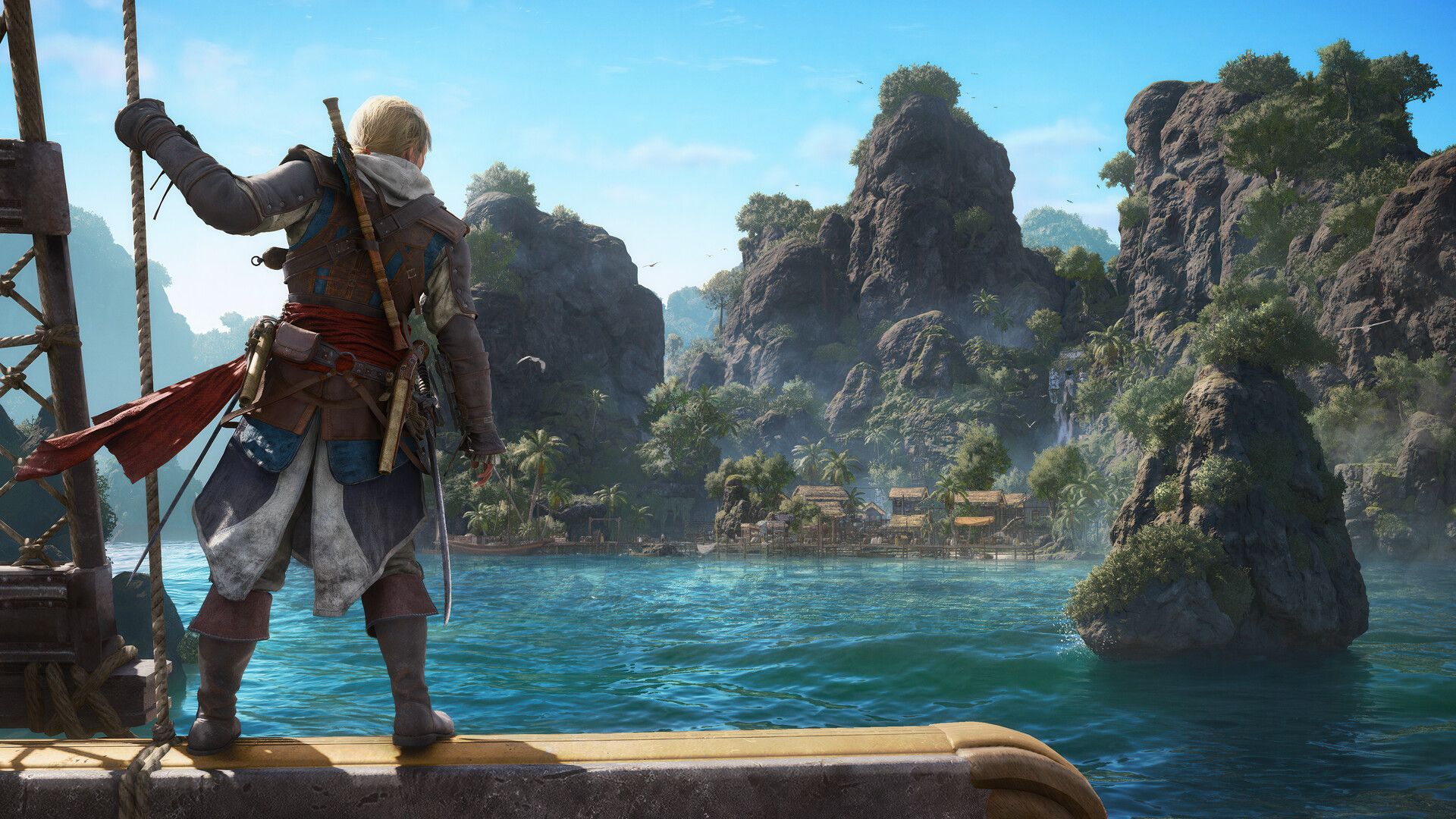
Two prominent remakes launched in the same week — Disney's live-action version of the decade-old animated film Moana, and Ubisoft's Assassin's Creed Black Flag Resynced, a reworking of its 12-and-a-half-year-old pirate adventure. The piece uses the pairing to argue that remakes have become an entrenched, perhaps unavoidable feature of mainstream entertainment, driven by the difficulty, cost and risk of making original blockbusters, the need to keep valuable brands commercially active, and the culture's intensifying appetite for nostalgia.
The article draws a distinction between the two mediums: old films remain perfectly watchable, so a near-identical Moana remake baffles critics even as audiences turn up regardless, whereas games age quickly in technological and design terms, giving remakes a more legitimate purpose in keeping classics playable and relevant. It cites the awkward camera, poor frame rate and muddy visuals of The Legend of Zelda: Ocarina of Time (1998) — and Nintendo's forthcoming remake — as an example of why modern audiences might struggle with originals, while noting Black Flag itself remains easily playable on current consoles. The writer closes by weighing the pitfalls of remaking classics, asking where developers should draw the line between simple modernisation and altering dialogue, sidequests, interfaces and combat.
In short
- Moana and Assassin's Creed Black Flag remakes both launched the same week.
- Remakes are now an entrenched, cost-driven, nostalgia-fuelled industry norm.
- Games age worse than films, giving remakes more genuine justification.
Steelman: both sides, in good faith
The strongest fair case each way — we don't pick a winner.
The case for
Games age differently than films—technical obsolescence, poor frame rates, and incompatible hardware genuinely impair the original experience. Remakes preserve cultural works whilst making them accessible to new audiences, and allow studios to focus innovation on design and storytelling rather than betting everything on unproven concepts. Where audiences vote with their wallets for remakes, that reflects authentic demand to experience beloved games as originally intended.
The case against
The prevalence of remakes reflects an entertainment industry that has become profoundly risk-averse, preferring familiar properties over new ideas. Whilst some games do become technically obsolete, this risk-aversion stifles original IP and emerging creators—an industry flooding the market with remakes rather than taking calculated risks on fresh concepts represents cultural stagnation. The constant alteration of gameplay, dialogue, and interfaces during remakes also raises troubling questions about what preservation truly means.
Explained simply
Remakes retell or rebuild stories that audiences already know, often using familiar characters and settings to attract interest. Film studios and game publishers can use them to keep valuable brands in public view, while facing less uncertainty than they might with an entirely new blockbuster.
The reasons differ between films and games. Older films can often still be watched as they were made, while older games may feel harder to play because of dated visuals, controls or design; remakes can update those elements and bring past releases to newer audiences.
That leaves a question about what should change. A remake might simply improve how a game looks and plays, or alter its dialogue, missions and combat, raising questions about how much of the original should be preserved.