Viral Dearborn pastor delivers blunt warning on El-Sayed Senate bid: ‘Can you imagine?’
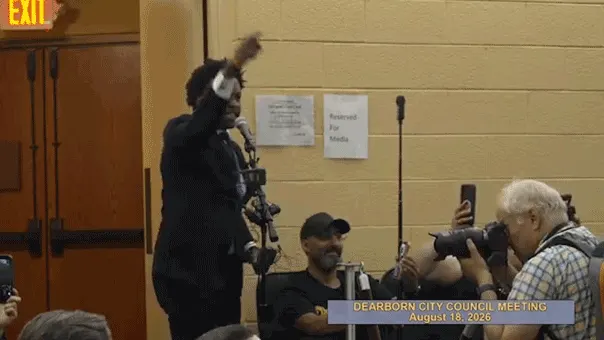
Pastor Lorenzo Sewell, a Detroit-area Christian minister and ally of Republican Senate candidate Mike Rogers, criticised Democratic nominee Abdul El-Sayed in an interview with Fox News Digital. Sewell warned that El-Sayed’s religious beliefs could influence federal judicial appointments and made wider claims about Muslim politicians; El-Sayed’s campaign rejected the remarks as “cheap attacks and hateful rhetoric”. The dispute highlights how religion, identity and judicial appointments have become issues in Michigan’s Senate race.
The article cites a 2009 interview in which El-Sayed said he used a Sharia-compliant home-financing arrangement, which avoids conventional interest payments. His spokeswoman said he follows his faith personally but opposes any religious group imposing its religious laws on US law. Sewell also questioned El-Sayed’s medical description; El-Sayed has an MD from Columbia University but did not complete a residency or hold a medical licence in Michigan or New York.
- Pastor attacks El-Sayed over religion and judicial influence.
- Campaign says the remarks are hateful political rhetoric.
- Sharia-compliant mortgage comments have resurfaced in the race.
New here? Start with this
Michigan’s Senate race is a contest for one of the state’s seats in the US Senate, which helps make federal laws and confirms senior government appointments, including federal judges. Abdul El-Sayed is the Democratic nominee; Mike Rogers is the Republican candidate. Lorenzo Sewell, a Detroit-area pastor and Rogers ally, has criticised El-Sayed’s faith and qualifications.
El-Sayed has said he used a home-financing arrangement designed to avoid conventional interest payments, and his campaign says he keeps his faith personal and opposes religious laws being imposed on the United States. The dispute matters because it raises questions about how candidates’ beliefs and experience are discussed in a close political contest, and about the Senate’s role in confirming judges.
Both sides, in good faith
The strongest fair case each way — we don't pick a winner.
The case for
Voters may reasonably scrutinise whether a candidate’s personal beliefs could shape decisions on judicial appointments, which affect the interpretation of law for everyone. Sewell’s supporters could argue that asking direct questions about El-Sayed’s views is legitimate, provided concerns are based on his stated positions and record rather than assumptions about Muslims generally.
The case against
El-Sayed’s supporters could argue that using his faith or a Sharia-compliant mortgage to imply he would impose religious law is unsupported, especially given his stated opposition to that. They may see Sewell’s broad claims about Muslim politicians as unfairly casting suspicion on a candidate because of his religion, while noting that El-Sayed’s medical qualifications can be described accurately without implying he misrepresented them.