Culture news and discussion on TalkFuse.
Virgin Galactic flights stay grounded while ticket prices head for the Moon
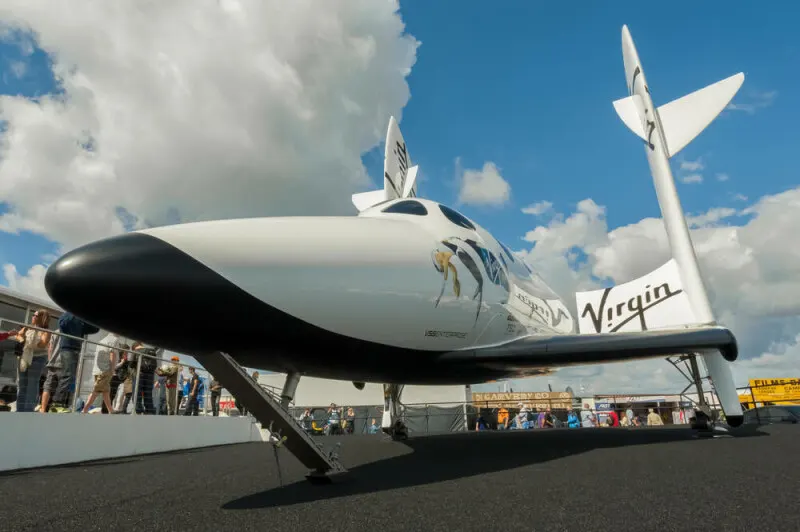
Virgin Galactic has postponed the return of its commercial spaceflights from late 2026 to February 2027, citing additional time needed to complete avionics and systems work on its new spacecraft. The setback matters because customers who bought the first batch of $750,000 tickets will wait longer, while the company remains dependent on successfully bringing its next-generation fleet into service.
The company reported a second-quarter net loss of $56 million and revenue of $0.1 million, compared with a $67 million loss and $0.4 million revenue a year earlier. It says demand exceeded the seats in the initial ticket release and intends to raise prices for a further batch; ground testing is due later in August and flight testing in October, with a second spacecraft expected in March 2027. Virgin Galactic last flew commercially in 2024 before pausing operations, while rival Blue Origin has also suspended New Shepard tourist flights for at least two years.
In short
- Virgin Galactic delays commercial return until February 2027.
- $750,000 ticket holders face a longer wait.
- The company reported a $56 million quarterly loss.
Steelman: both sides, in good faith
The strongest fair case each way — we don't pick a winner.
The case for
Delays for safety-critical avionics work reflect responsible engineering in an extraordinarily complex industry. The fact that initial ticket sales sold out demonstrates genuine consumer demand, justifying price increases for subsequent batches under normal market economics. Early-stage, capital-intensive space ventures typically require extended pre-revenue phases before achieving profitability, and the company's losses reflect this established pattern rather than inherent failure.
The case against
The company's $56 million quarterly loss against $0.1 million revenue raises serious questions about long-term viability. Raising prices for subsequent batches whilst facing postponements suggests prioritising revenue maximisation over customer confidence. Repeated delays compound execution concerns. Industry-wide competitor pauses suggest fundamental obstacles to the business model rather than company-specific challenges.
Explained simply
Virgin Galactic is a US company that sells trips to the edge of space. Its spacecraft are designed to carry paying passengers on short flights, rather than put them into orbit.
The company paused commercial flights after its last passenger service in 2024 while it develops a new fleet. The first tickets were sold for $750,000 each, and the new spacecraft must complete testing before those customers can fly.
Virgin Galactic is one of a small number of firms trying to build a market for space tourism. Its ability to resume flights matters to customers and to the company’s future business, which depends on getting the new fleet into service.
Culture Space Technology Travel