Culture news and discussion on TalkFuse.
Virgin Galactic postpones its new spaceship’s first commercial flight to 2027
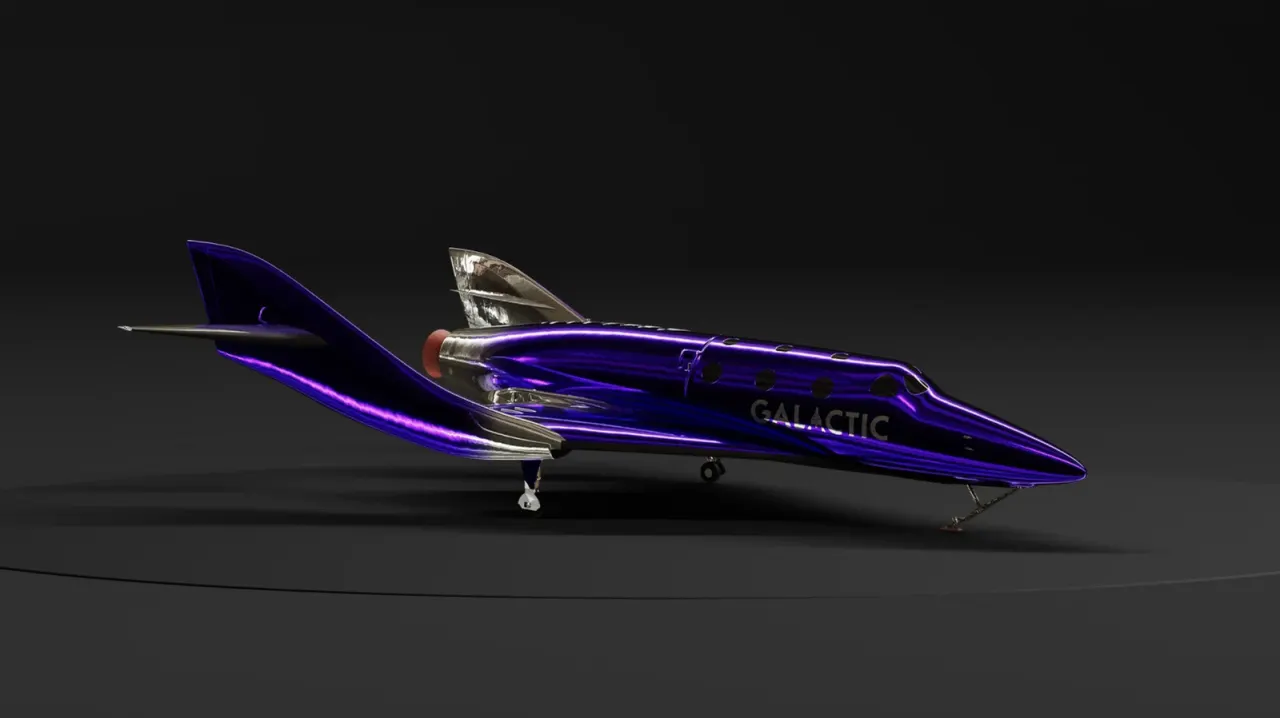
Virgin Galactic has delayed the first commercial flight of its new Delta-class spaceship from late 2026 until February 2027 at the earliest. The postponement matters because the company paused its previous suborbital tourist service in 2024 to concentrate on this next-generation vehicle, making the Delta programme central to restarting regular flights.
Chief executive Michael Colglazier said the delay stemmed from hundreds of small assembly and installation issues, including components being marginally outside required dimensions, rather than a single major fault. Ground testing is due to begin later in August; Virgin Galactic says it has sold more than 50 future tickets at $750,000 each, generating over $50 million in bookings, and expects a second spacecraft to enter commercial service in the second quarter of 2027.
In short
- Delta spaceship’s commercial debut slips to February 2027.
- Small assembly issues caused the delay.
- Over 50 tickets have sold at $750,000 each.
Steelman: both sides, in good faith
The strongest fair case each way — we don't pick a winner.
The case for
The delay reflects appropriate engineering discipline and prioritisation of safety, which is non-negotiable in space tourism. By addressing hundreds of assembly and installation issues now—even if individually minor—Virgin Galactic demonstrates its commitment to quality assurance and preventing cascading failures that could emerge once the vehicle is operational. Transparency about these challenges builds rather than undermines confidence; rushing to meet arbitrary timelines could prove far more damaging to the company and the broader commercial spaceflight industry.
The case against
The repeated postponements of Virgin Galactic's commercial service—paused in 2024 with no concrete return date, now delayed again to February 2027—raise serious questions about the company's operational execution and ability to deliver on its promises. Hundreds of marginal dimensional issues suggest inadequate pre-manufacturing quality control, not minor tweaks. For investors and customers who have paid $750,000 without flying, the pattern of delays erodes confidence that the company can reliably execute its ambitious two-spacecraft timeline and maintain commercial viability.
Explained simply
Virgin Galactic is a US company that sells trips to the edge of space. Its earlier spacecraft carried passengers on short flights above the atmosphere, then returned to Earth; the company paused that service in 2024 to focus on a new vehicle called Delta.
The Delta programme is central to Virgin Galactic’s plan to resume regular passenger flights. Chief executive Michael Colglazier leads the company, which has sold tickets for future trips, while paying passengers will depend on the spacecraft being built and tested before it can carry them.
Culture Space Technology Travel