World news and discussion on TalkFuse.
Virginia parents charged with throwing drinking party for ‘100 to 300’ teens at their $3M home
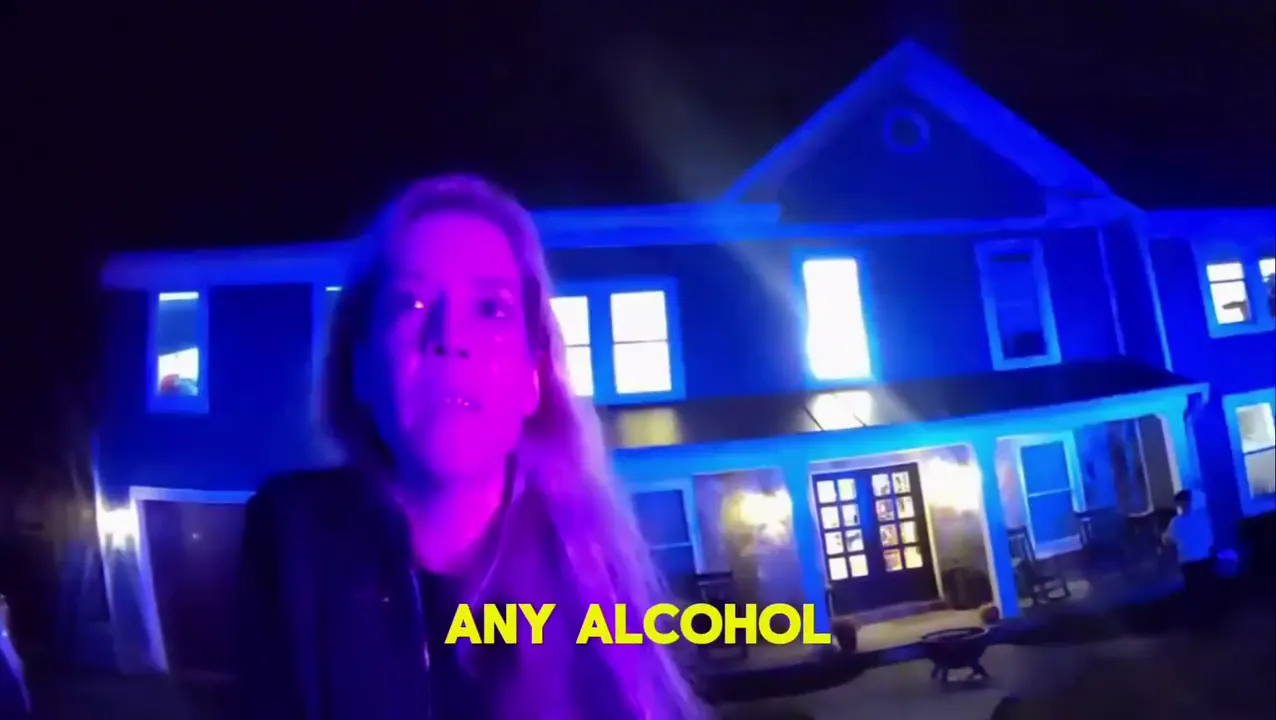
Aubrey and Lisa Vaughan have been charged after police say a party they organised for their teenage son drew between 100 and 300 young people to their McLean home. The case highlights the challenges of supervising gatherings involving minors after neighbours’ complaints led officers to find disorder, fireworks and teenagers they described as drunk.
Police said they responded shortly after 9pm on 6 November and found dozens of teenagers in the streets, with about 100 more in the backyard. The Vaughans said they had supervised the gathering and denied allowing alcohol; Aubrey Vaughan said older pupils had arrived unexpectedly. Both were charged with contributing to the delinquency of a minor and maintaining a common nuisance, then released on $1,000 unsecured bonds each.
In short
- Virginia couple charged after a party for their son drew up to 300 teenagers.
- Police reported disorder, fireworks and apparently drunk teenagers.
- The parents denied allowing alcohol and said older pupils arrived unexpectedly.
Steelman: both sides, in good faith
The strongest fair case each way — we don't pick a winner.
The case for
Parents who host a large gathering for teenagers have a responsibility to keep it safe and prevent underage drinking or disorder. If the reported crowd, fireworks and intoxicated teenagers reflect what happened, the charges may be a reasonable way to hold the adults accountable and deter unsafe supervision.
The case against
The Vaughans say they supervised the gathering, did not allow alcohol and were surprised when older pupils arrived. A large, disorderly party does not by itself establish that the parents knowingly enabled misconduct; the case for charges should depend on evidence of what they knew, permitted and could reasonably control.
Explained simply
In Virginia, parents can face criminal charges if they are accused of allowing or helping minors take part in unlawful activity. “Contributing to the delinquency of a minor” refers to conduct that allegedly encourages or enables a young person to break the law; “maintaining a common nuisance” is a separate charge related to premises used for unlawful activity.
McLean is a suburb of Washington, DC, in Fairfax County, where local police handle complaints about noise and public disorder. Large teenage gatherings can raise questions about who organised them, whether adults were supervising, and what responsibility hosts have when young people arrive or drink.