World news and discussion on TalkFuse.
Voice architect breaks silence with first public speech in three years to reveal he wants Aboriginal departments abolished in every state
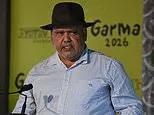
Noel Pearson, the Indigenous leader widely regarded as the chief architect of the failed Voice to Parliament proposal, has delivered his first public speech in three years, using the platform to call for state-based Aboriginal affairs departments to be abolished across Australia. The intervention marks a significant return to public debate for Pearson, who had largely withdrawn from the spotlight following the 2023 referendum defeat, and signals his continued push to reshape how governments approach Indigenous policy.
The speech was reportedly given at the Garma Festival, the annual gathering in Arnhem Land that serves as a key forum for discussion of Indigenous affairs in Australia. Pearson's call to dismantle dedicated Aboriginal departments in every state reflects a broader argument that such bureaucratic structures have failed to deliver meaningful outcomes for Indigenous communities, though further specifics of his proposed alternative were not detailed in the available report.
In short
- Noel Pearson makes first public speech in three years
- Voice referendum architect wants state Aboriginal departments scrapped
- Speech reportedly delivered at the Garma Festival
Steelman: both sides, in good faith
The strongest fair case each way — we don't pick a winner.
The case for
Supporters of Pearson's proposal argue that decades of dedicated Aboriginal affairs bureaucracies have produced enormous spending with persistently poor outcomes on health, education, employment and incarceration, suggesting the structures themselves entrench dysfunction rather than fix it. They contend that segregating Indigenous policy into separate departments can foster paternalism, duplication and a lack of accountability, and that mainstream agencies delivering services to all citizens, with genuine Indigenous input and control, would better achieve practical equality and self-determination. This view is rooted in a belief that empowerment comes from Indigenous people directing their own lives through effective, integrated institutions rather than being managed by a parallel bureaucracy.
The case against
Critics would argue that dedicated Aboriginal affairs departments exist precisely because mainstream services have historically failed, and often continue to fail, Indigenous communities whose needs, history and rights are distinct and require specialised, culturally informed attention. They fear that abolishing these departments could disperse expertise, weaken accountability for Indigenous-specific outcomes, and reduce the visibility and political weight given to Indigenous issues within government. This position is grounded in a concern that dismantling dedicated structures, especially so soon after the Voice referendum's defeat, risks removing hard-won institutional recognition and leaving Indigenous affairs even more vulnerable to neglect within broader, less accountable bureaucracies.
Explained simply
Noel Pearson is one of Australia's best-known Indigenous leaders and is widely credited as the main figure behind the Voice to Parliament, a proposal to create a body that would advise the federal government on issues affecting Aboriginal and Torres Strait Islander people. That proposal was put to a national referendum in 2023 and rejected by voters, after which Pearson largely stepped back from public life.
His return to public speaking comes at the Garma Festival, an annual gathering in Arnhem Land, in the Northern Territory, that has become one of the main events where Indigenous affairs are discussed by leaders, politicians and community members each year. State and territory governments in Australia each run their own dedicated departments responsible for Aboriginal affairs, separate from federal bodies, and these have long faced criticism over their effectiveness.
Pearson's views carry particular weight because of his role in shaping the Voice campaign, so any new position he takes is likely to influence ongoing debate about how Australia's governments should design and deliver policy for Indigenous communities following the referendum's failure.