Politics news and discussion on TalkFuse.
Voices: Is Andy Burnham’s opening blitz of policies enough to keep Labour ahead of Reform?
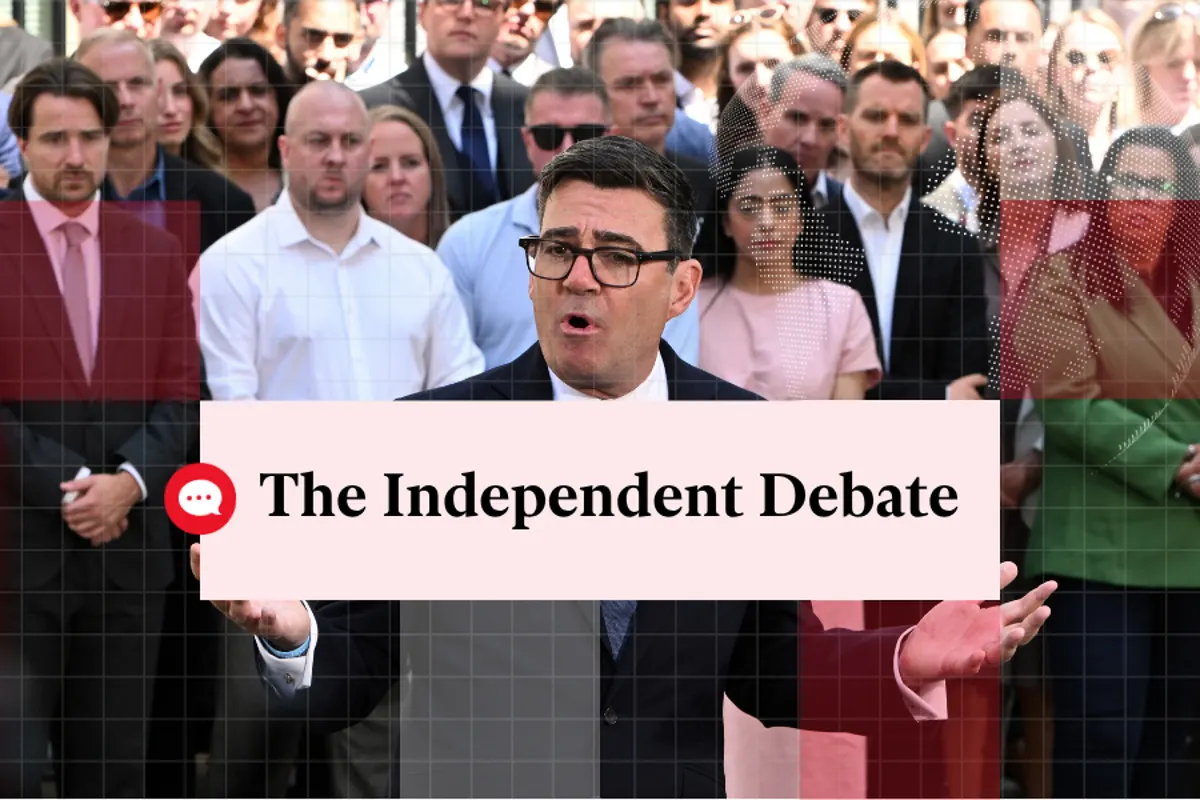
Andy Burnham, who became prime minister on 20 July, has launched a rapid series of policy announcements in his first week in Downing Street, and early polling suggests it may be shifting public opinion in Labour's favour. A Survation poll published on Tuesday put Labour ahead on 26 per cent, up one point, with Nigel Farage's Reform UK trailing on 24 per cent, down two points, marking the first time in over a year that Labour have led, a shift echoed in polls from More in Common and YouGov.
Burnham's announcements have included a VAT cut on energy bills, the return of the £2 bus fare cap, £340 million to tackle rough sleeping, a 20 per cent business rates cut for pubs and music venues, a "No 10 in the North" operation based in Manchester, an overhaul of technical education, and signals of tougher "conditional" welfare reform. Polling expert Lord Hayward described a "Burnham bounce" that has "changed the discourse of British politics", though Reform's spokesman said the party remains "calm", pointing out that Keir Starmer once led in the polls too before it unravelled; Burnham himself urged caution, saying he wouldn't "get carried away by any poll".
In short
- Labour edges ahead of Reform in polls after Burnham's policy blitz
- Survation poll: Labour 26%, Reform 24%, first Labour lead in over a year
- Experts cite a "Burnham bounce"; Reform and Burnham both urge caution
Steelman: both sides, in good faith
The strongest fair case each way — we don't pick a winner.
The case for
The rapid policy delivery demonstrates serious intent to govern and addresses the immediate concerns that drive voter dissatisfaction: cost of living pressures through the energy VAT cut and bus fare cap, regional inequality via the Manchester-based No 10 operation, and social crises such as rough sleeping. The polling shift in the first week is significant precisely because voters have rewarded concrete action over rhetoric, and the targeting of pubs, venues, and technical education shows an attempt to rebuild Labour's coalition across different communities. If these policies are executed effectively, they can maintain momentum by establishing a narrative of delivery that differentiates Labour from Reform's protest positioning.
The case against
Whilst early polling bounces are superficially encouraging, history demonstrates such surges often collapse once novelty fades and voters assess actual delivery and fiscal realities. These policies, though sensible, largely represent conventional centre-left spending and do not address the deeper structural grievances that propelled Reform's rise—including immigration concerns, cultural anxieties, and a broader sense that the political establishment has failed voters. Without confronting these fundamental drivers or demonstrating systemic economic transformation, Labour risks the bounce evaporating as voters realise incremental policy adjustments cannot remedy underlying discontent, as has happened with previous leaders.
Explained simply
Andy Burnham became Prime Minister in July. The political landscape he faces is dominated by the challenge posed by Reform UK, a party led by Nigel Farage that has built significant public support in recent years. For much of the past year, Reform has been ahead of Labour in opinion polls, marking an unprecedented shift in British politics.
Labour's traditional political dominance has been disrupted by Reform's appeal to voters dissatisfied with the political establishment. Burnham's government is seeking to reassert Labour's relevance and demonstrate that it can address voter concerns more effectively than Reform. The outcome of this competition will shape the direction of British politics over the coming years.
The immediate political test is how the public responds to Labour's policy announcements and whether these can reverse the recent polling trends that have favoured Reform. Both parties are watching closely to see whether government action can shift public opinion or whether Reform's support proves more durable than Labour hopes.