Politics news and discussion on TalkFuse.
Voices: It’s time to reset the UK’s ambition when it comes to aid – and show we can be a force for good
An MP writes ahead of the UK's 2026 G20 presidency to argue that successive cuts to the UK aid budget are causing real harm abroad and undermining Britain's role as a reliable global partner. Drawing on a visit to a refugee camp in Ethiopia, the author describes how a deaf nine-year-old girl, Amina, lost access to a sign-language teacher and hearing device when NGO funding dried up, illustrating how aid cuts disrupt education, healthcare and support for disabled children across Africa. The author argues aid should be seen not as charity but as an investment in global security, helping prevent conflict, fight poverty and hunger, and guard against future pandemics.
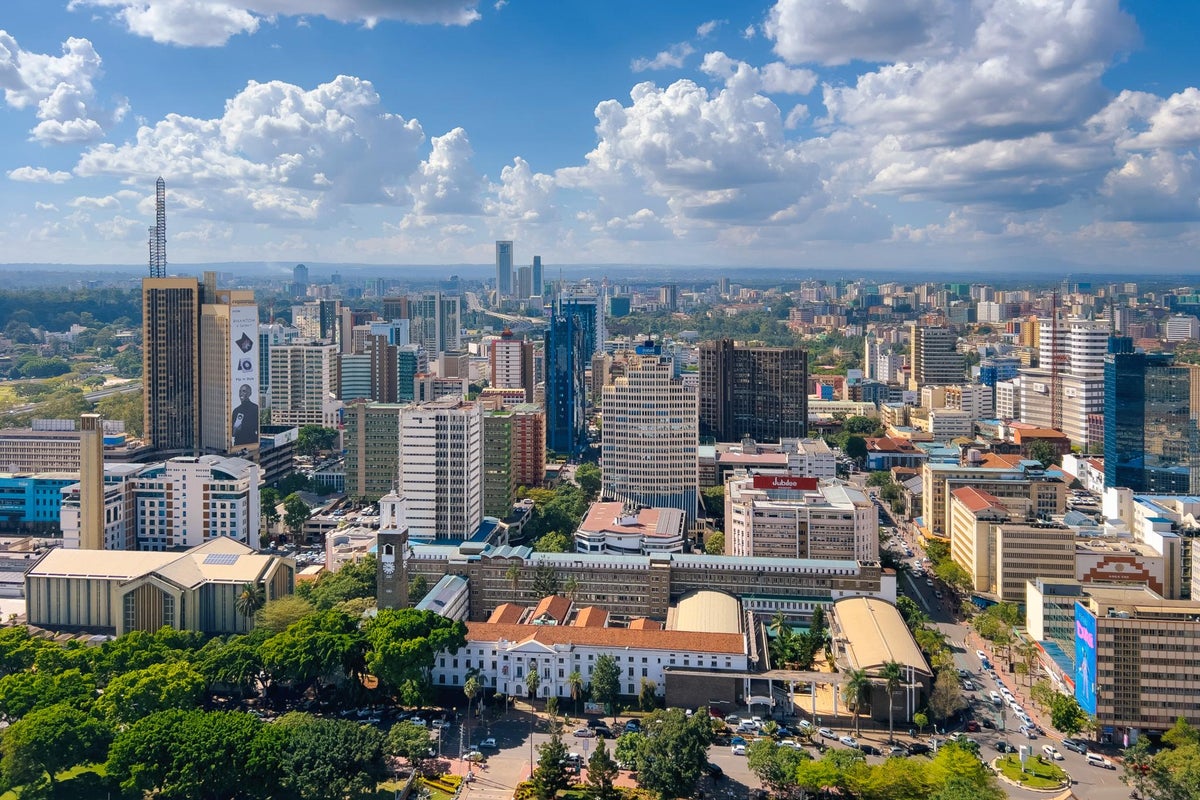
The piece cites visits to Nairobi to see eye-care programmes and work with Battersea-based charity Able Child Africa, both said to be at risk from reduced UK funding. It also highlights that 32 African countries reportedly spend more repaying external debt to private creditors than on health and education combined, disproportionately hurting women, children and disabled people. The author urges the incoming prime minister to use the UK's G20 presidency to push global financial reform, tackle the debt crisis and restore Britain's ambition on international aid.
In short
- MP urges UK to use its G20 presidency to reset aid ambitions.
- Aid cuts are harming disabled children's education and healthcare abroad.
- Piece calls for debt relief reform for low-income African nations.
Steelman: both sides, in good faith
The strongest fair case each way — we don't pick a winner.
The case for
The piece argues that aid cuts cause real suffering in vulnerable populations and that aid serves British interests by promoting global stability. The author contends aid is an investment in preventing future crises—conflict, pandemics, poverty-driven migration—rather than mere charity, and that the UK has a moral and strategic responsibility, particularly when chairing the G20, to champion global financial reform and debt relief that disproportionately harms the world's poorest.
The case against
A reasonable counterargument holds that Britain faces significant domestic fiscal constraints and that public services including the NHS, social care and education require urgent investment. Critics argue the primary duty of government is to citizens at home, and question whether aid spending effectively reaches intended beneficiaries or addresses root causes; they contend other wealthy nations should contribute more fairly, and that sustainable development requires recipient countries' own economic growth rather than dependency on foreign assistance.
Explained simply
UK overseas aid is public money used to support development and humanitarian work in other countries, including healthcare, education and help for people displaced by conflict. The UK has reduced its aid spending in recent years, and charities and aid organisations say this has put some programmes at risk.
The article focuses on how funding changes can affect people who rely on those programmes, including disabled children and families in refugee camps. It also links aid to wider issues such as poverty, public health and countries’ ability to respond to crises.
The G20 is a group of major economies that discusses international economic issues, and the UK is due to hold its presidency in 2026. The article argues that this gives the UK an opportunity to raise questions about debt repayments and the money governments have available for services such as health and education.
Geopolitics Politics Space Technology UK World