World news and discussion on TalkFuse.
Voices: Poll: Should Andy Burnham introduce a wealth tax on Britain’s richest people?
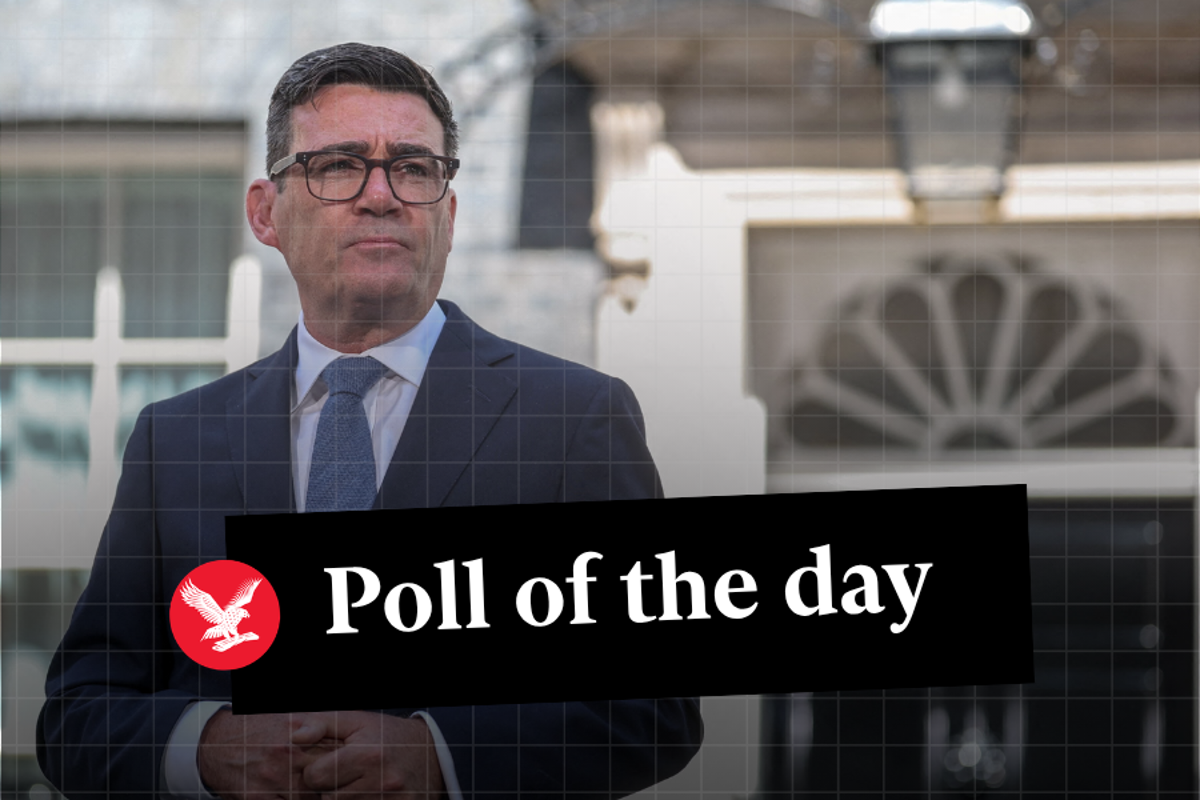
More than 100 British-based millionaires, organised by campaign group Patriotic Millionaires UK, have written to Prime Minister Andy Burnham urging him to introduce higher taxes on the wealth of Britain's richest people. Signatories include broadcaster Gary Lineker, screenwriter Richard Curtis, novelist Val McDermid and former City trader Gary Stevenson, who argue they can afford to pay more and that any levy should target wealth rather than earned income. Burnham has already suggested he is open to the idea, telling Lineker earlier this month that his government may need to "ask for a little more" from the wealthy.
The most widely floated proposal is a 2 per cent levy on the richest households, which campaigners say could raise billions of pounds annually. However, the plan has drawn criticism from the Conservatives, with shadow chancellor Sir Mel Stride accusing the government of failing to explain how its spending commitments – including a bus fare cap and an £850 million energy bill tax cut – would be funded without a clear tax plan. The article invites readers to vote in a poll on whether Burnham should proceed with the wealth tax.
In short
- Over 100 millionaires urge Burnham to tax Britain's wealthiest more
- Gary Lineker and Richard Curtis among signatories backing a 2% levy
- Tories say government hasn't explained how spending pledges will be funded
Steelman: both sides, in good faith
The strongest fair case each way — we don't pick a winner.
The case for
Advocates argue that wealth concentration has reached levels where the richest can reasonably contribute more without hardship, particularly since accumulated assets generate returns beyond earned income. A 2 per cent levy on the wealthiest households could generate substantial revenue for public services whilst the fact that wealthy individuals themselves endorse it demonstrates feasibility. Targeting wealth rather than income protects entrepreneurship and work incentives whilst addressing inequality that has widened considerably in recent decades.
The case against
Critics contend that major fiscal decisions require clear strategic planning before implementation, not ad-hoc policy announcements. The government should first articulate how its broader spending commitments—such as energy bill support and bus fare caps—will be funded through a coherent overall economic plan. There are legitimate practical questions about wealth tax design, administration and potential effects on capital movement that warrant careful consideration before proceeding, regardless of whether the wealthy should ultimately pay more.
Explained simply
A wealth tax would be a charge on the total assets owned by Britain's richest people, rather than just the income they earn each year. The idea is that such a tax could help fund government spending priorities, and it differs from traditional income tax because it targets someone's accumulated wealth instead of their salary or profits.
Over 100 wealthy British individuals, including celebrities and former business figures, have signed a letter to Prime Minister Andy Burnham calling for the introduction of a wealth tax. They argue that the richest people can afford to contribute more to the public finances, and that the government should fund its spending commitments by taxing wealth rather than earnings. Burnham has indicated he may be open to the proposal.
The most commonly discussed version would be a 2 per cent tax on the wealthiest households and could potentially raise billions of pounds a year. The Conservative opposition has criticised the idea, questioning how the government plans to pay for its various spending commitments without a clear tax strategy in place. This debate reflects broader questions about how government should be funded and who should bear that cost.
Americas Elections Politics UK World