Business news and discussion on TalkFuse.
Voices: ‘Where are the jobs?’ Readers clash over Andy Burnham’s welfare crackdown
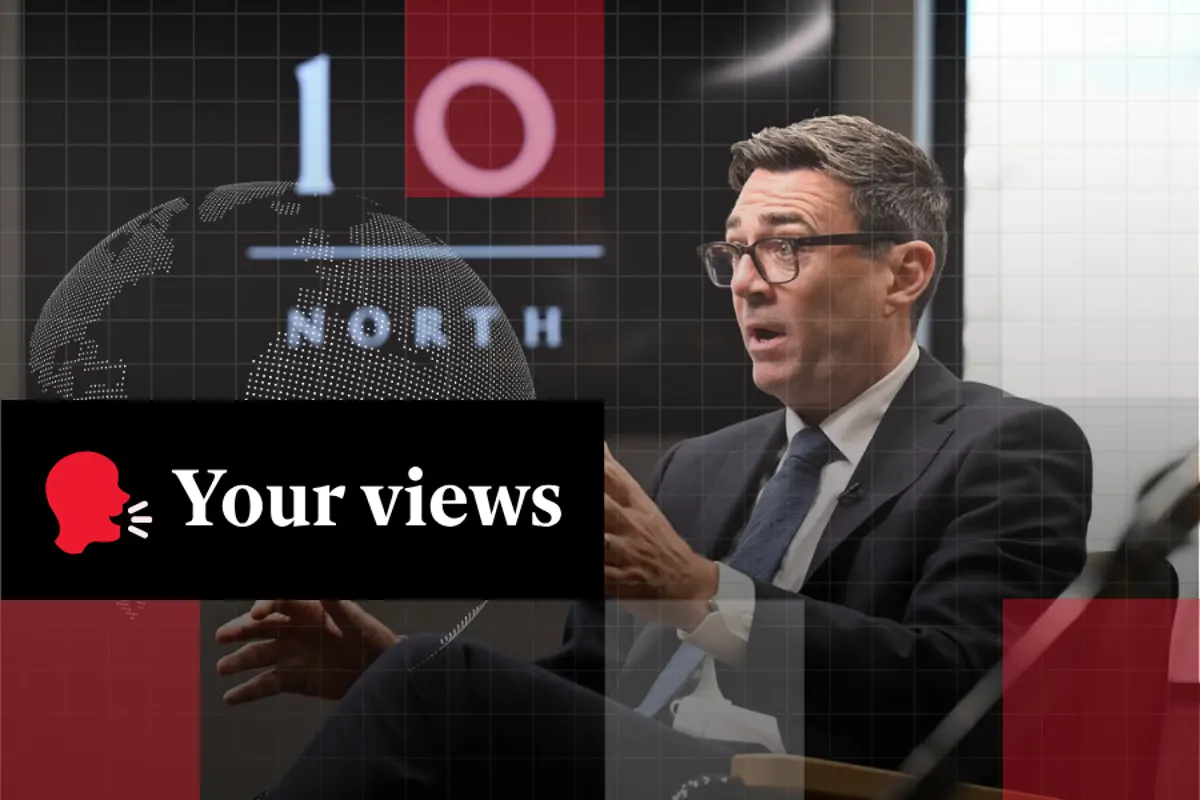
Britain's new prime minister, Andy Burnham, has confirmed plans to make welfare support "conditional" on people taking work, including claimants receiving mental health support, in his first major broadcast interview since taking office. He said the government must "get really serious" about cutting the welfare bill, while separately warning the NHS would "collapse" without an overhaul of social care, a stance that has sharply divided Independent readers.
Reader reaction split roughly along familiar lines: some argued welfare has been "abused for far too long" and that work is essential to wellbeing and self-respect, while others questioned where jobs, apprenticeships and training would actually come from, noting around a million young people are out of work, education or training. Critics also accused Burnham of echoing his predecessors rather than pursuing genuine Labour reform, pointing to the £38bn spent on housing benefit and suggesting landlords, big corporations and the wealthy should be targeted before support for vulnerable claimants. An Independent poll found just over half of respondents backed cutting the welfare bill, roughly a quarter felt the plan targets the vulnerable, and one in five wanted support improved first.
In short
- Burnham wants welfare made conditional on taking work
- Readers split: some back cuts, others fear vulnerable targeted
- Poll: half support cuts, a quarter say plan targets vulnerable
Steelman: both sides, in good faith
The strongest fair case each way — we don't pick a winner.
The case for
Supporters of conditional welfare argue that work provides dignity, structure and self-reliance rather than fostering dependency on the state. They maintain that conditional support represents necessary fiscal responsibility—with billions spent annually on welfare and housing benefit, encouraging claimants toward employment rather than indefinite state support is economically sensible. They point to evidence that employment itself is beneficial for mental and physical health outcomes, and contend that exemptions for those with genuine incapacity can be maintained whilst still incentivising most claimants to seek work.
The case against
Critics question whether the policy is feasible when a million young people are already out of work, education or training, arguing that making welfare conditional on work is counterproductive if jobs simply do not exist. They contend this approach echoes failed Conservative policies rather than representing genuine Labour reform, and that investment should first go toward creating jobs, apprenticeships and training. They point out that £38bn spent on housing benefit suggests landlords are extracting excessive wealth, and argue the focus should be on corporate tax avoidance and wealth concentration rather than restricting support for vulnerable claimants who cannot readily find employment.
Explained simply
Andy Burnham is Britain's new prime minister, leading the Labour government. Welfare benefits are the money the government provides to people who are unemployed, disabled, ill, or struggling financially. His proposed policy would make these benefits conditional on recipients engaging in work or training, aiming to reduce government spending.
There is substantial disagreement about how best to tackle unemployment and poverty. Some believe requiring work promotes self-respect and independence, while others question whether there are enough jobs, apprenticeships and training places available, noting a million young people are currently out of work, education or training. Critics also suggest landlords and major corporations should be scrutinised more closely, pointing to large sums spent on housing benefits and corporate support.
This issue matters because welfare policy affects millions of people and costs tens of billions of pounds annually. The question of how government should balance support for vulnerable people against reducing spending is one that divides public opinion.
Business Economy Health Markets Mental Health Politics