Volcanoes that made history
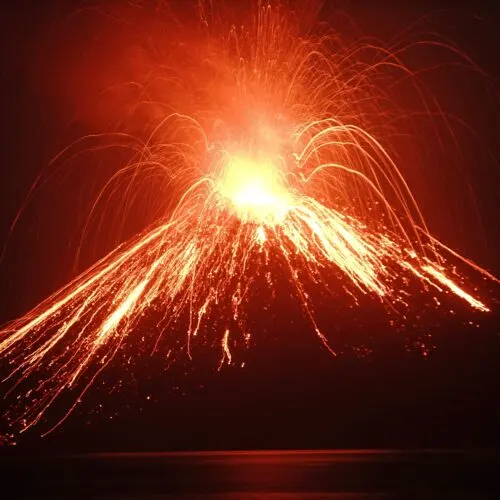
The article explores how history's largest volcanic eruptions have shaped Earth's climate and, in turn, human societies, using the catastrophic 1883 eruption of Krakatau as its starting point. That explosion, which destroyed most of three islands in the strait between Java and Sumatra and killed more than 36,000 people, was the first such disaster documented in near real time thanks to telegraph technology, and it laid the groundwork for the modern science of volcanology by showing how eruptions can cool the planet and disrupt agriculture.
Sulfur ejected into the atmosphere by Krakatau formed reflective aerosols that lowered average summer temperatures by 0.6°C across the Northern Hemisphere's non-tropical regions. Building on this understanding, volcanologists now examine ice cores from Greenland and Antarctica, which preserve annual records of sulfur and ash, to identify past eruptions linked to historical droughts, famines, epidemics and unrest—such as a mysterious major eruption in 536 AD that caused an 18-month haze, crop failures and preceded the first recorded global plague, even though the responsible volcano remains unidentified.
- Krakatau's 1883 eruption killed 36,000+ and pioneered real-time disaster reporting
- Volcanic sulfur aerosols can cool global temperatures for years afterwards
- Ice cores reveal ancient eruptions, including a mysterious one in 536 AD linked to plague