World news and discussion on TalkFuse.
Volgograd oil refinery, Rostov-on-Don production facility in flames following Ukrainian drone attack
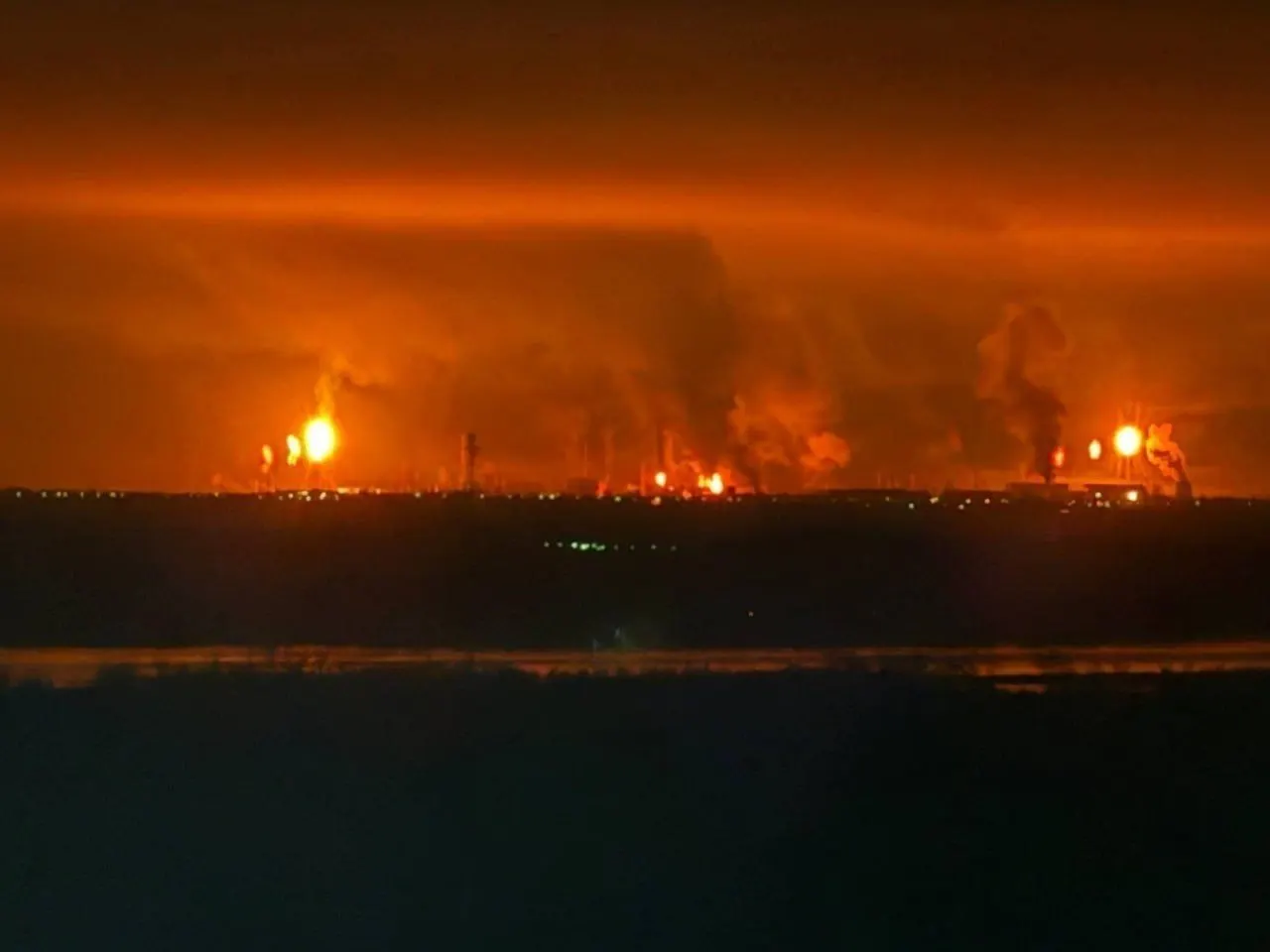
Ukrainian forces struck the Volgograd oil refinery and a production facility in Rostov-on-Don in an overnight drone attack on 13 November. The strikes appear to continue Ukraine’s effort to disrupt infrastructure that supports Russia’s military and brings in energy revenue, coming a day after peace negotiations in Abu Dhabi.
The Lukoil-owned Volgograd refinery can process 15 million tonnes of crude oil a year and is about 400 kilometres from Ukraine; the governor confirmed fires in the city’s southern industrial zone. Rostov Oblast’s governor reported fires at a production facility and warehouse, while falling drone debris damaged a residential building. The attacks followed further Ukrainian strikes on Russian energy sites and Moscow-area airports.
In short
- Ukrainian drones struck facilities in Volgograd and Rostov-on-Don.
- Volgograd’s refinery processes up to 15 million tonnes of crude annually.
- Fires and damage were reported at industrial and residential sites.
Steelman: both sides, in good faith
The strongest fair case each way — we don't pick a winner.
The case for
Ukraine can argue that striking facilities which supply fuel, equipment or revenue for Russia’s war effort is a way to weaken its capacity to continue the invasion and impose costs without directly targeting civilians. Supporters may also see such attacks as legitimate pressure while negotiations have not ended the fighting, provided the targets serve military purposes and precautions are taken to limit civilian harm.
The case against
Critics can argue that attacks on energy and production sites risk civilian safety, damage infrastructure people depend on and may widen the conflict, especially when debris has already damaged a residential building. They may also question whether disrupting facilities after peace talks helps create conditions for negotiations, and stress that any military strike must meet the laws of armed conflict, including distinction and proportionality.
Explained simply
Volgograd and Rostov-on-Don are cities in southern Russia, and both have industrial sites linked to the country’s energy and manufacturing sectors. The Volgograd refinery is owned by Lukoil, one of Russia’s major oil companies; refining turns crude oil into fuels and other products.
Since Russia launched its full-scale invasion of Ukraine in 2022, Ukraine has attacked facilities inside Russia that can support its economy or military, including refineries. Such sites matter because oil sales are a major source of Russian income, while fuel and industrial production can support military operations.
Europe Russia-Ukraine War World