Volkswagen boss backs EU plan to bolster domestic European industry
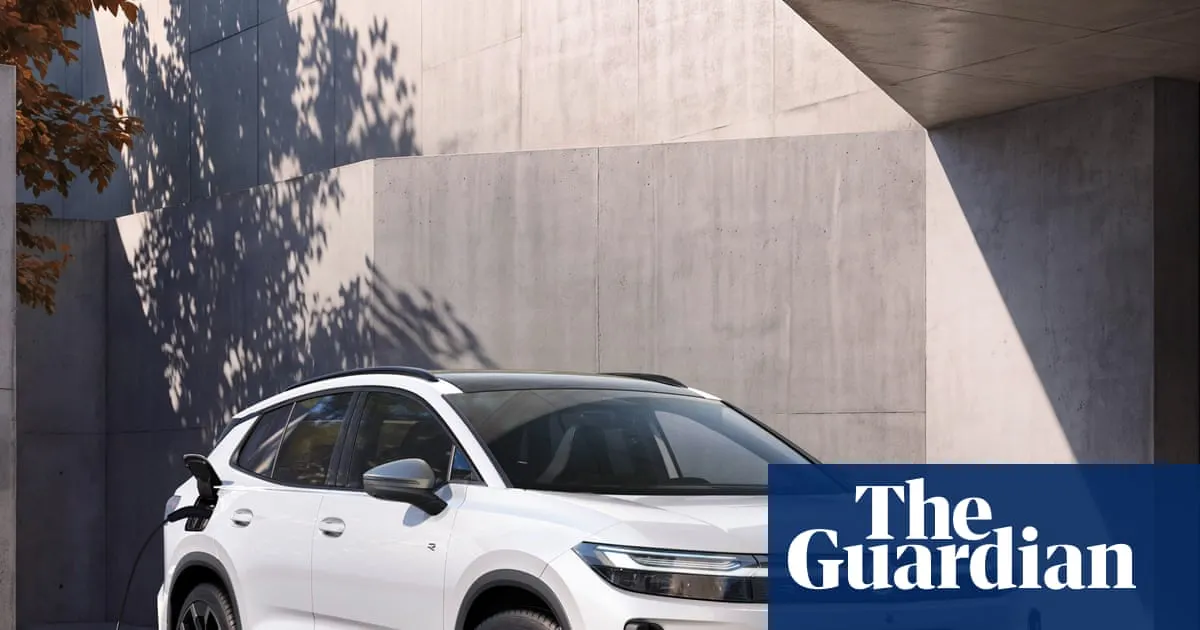
Volkswagen chief executive Oliver Blume has backed proposed EU rules to favour products made in Europe, saying carmakers need fair conditions to compete with lower-priced Chinese brands. The plans matter because European manufacturers face pressure from imports while the car industry is also dealing with high costs and weaker demand.
The proposed Industrial Accelerator Act would direct some subsidies and public procurement towards products with a substantial share of EU-based materials and manufacturing. Volkswagen is planning up to 100,000 job cuts and will reduce its global model range from 150 to 75; it has also unveiled an electric version of its Tiguan SUV. Blume said companies investing and creating jobs in Europe should benefit, while maintaining open markets.
- Volkswagen’s chief backs EU “Made in Europe” proposals.
- The rules would favour products with substantial EU production.
- VW plans up to 100,000 job cuts and fewer models.
New here? Start with this
Europe's car industry faces mounting competition from cheaper Chinese manufacturers and struggles with high production costs and weak demand. To help domestic carmakers compete, the EU is preparing new rules favouring products made within Europe. Major industry figures, including Volkswagen's chief executive, are backing the approach.
The proposed Industrial Accelerator Act would direct subsidies and public procurement towards cars and components with substantial European content. By offering financial advantages to manufacturers investing in Europe, the rules aim to help local companies compete more fairly with lower-cost rivals. The EU hopes to support the industry without abandoning its commitment to open markets.
The car sector is economically vital across Europe, employing hundreds of thousands of workers and underpinning regional economies. European manufacturers face higher labour and environmental costs than some competitors, particularly in Asia. The EU's strategy is to protect this strategic industry whilst remaining committed to international trade.
Both sides, in good faith
The strongest fair case each way — we don't pick a winner.
The case for
European carmakers face genuine competition from Chinese manufacturers with substantially lower production costs, creating an uneven playing field that threatens thousands of high-wage manufacturing jobs and entire regional economies dependent on the automotive sector. Targeted support for EU-based production and procurement represents a fair way to preserve industrial capacity and skilled employment whilst competitors enjoy cost advantages rooted in different labour and regulatory standards.
The case against
Protectionist measures, however well-intentioned, ultimately harm European consumers through higher car prices and reduce incentives for European manufacturers to improve efficiency and innovation. Trade barriers invite retaliation that damages other European export sectors, and subsidising struggling industries diverts resources from future growth areas; the proper response to Chinese competition is better products and operational excellence, not market distortion.