Politics news and discussion on TalkFuse.
Voters decide key ballot measures on abortion rights, congressional redistricting and voter ID laws
Developing story first seen 9 hours ago
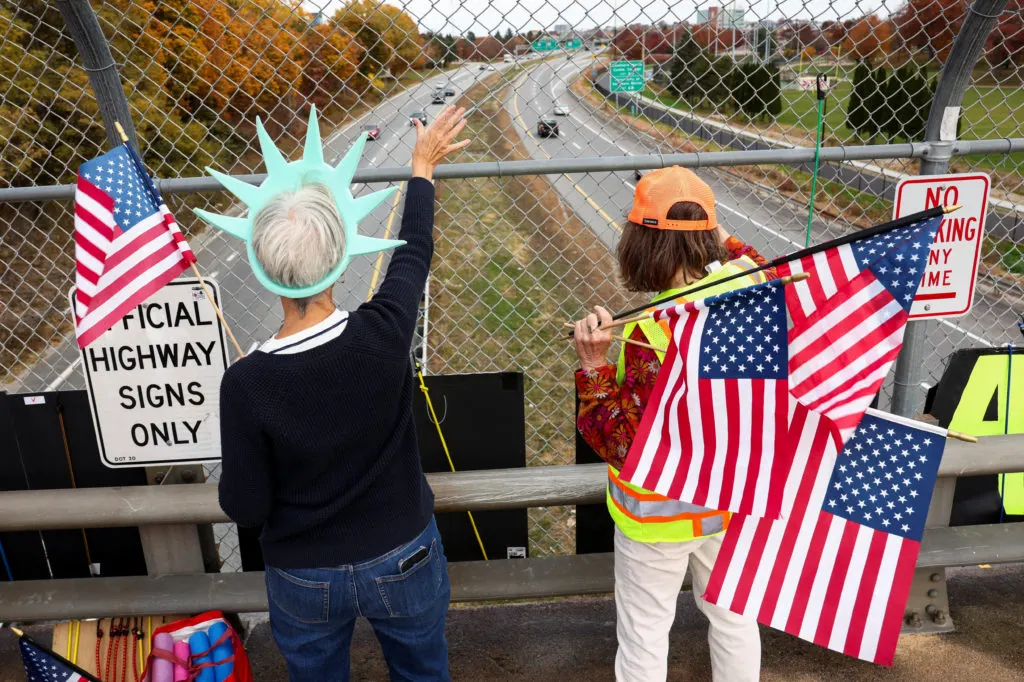
Voters are deciding 145 ballot measures alongside the US midterm elections, including proposals on abortion rights, congressional redistricting, voter identification and transgender rights. The measures offer a public test of President Donald Trump’s priorities and could shape state laws and future elections.
Missouri voters are considering replacing a 2024 abortion-rights amendment with a ban that allows limited exceptions; Idaho, Nevada and Virginia have abortion-rights measures. Missouri and Maryland proposals could affect congressional districts in 2028, while other measures address transgender athletes and medical care for minors. The article reports no results.
- Sources
- 2
- Outlets
- 2
- Left · Centre · Right
- 1 · 0 · 0
In short
- Voters are deciding 145 measures alongside the midterms.
- Abortion rights are at stake in four states.
- Some proposals could reshape congressional districts in 2028.
How this story developed
- 14 minutes ago Voters across several states are deciding 145 ballot measures alongside the midterm elections, covering abortion, congressional maps, voter identification and transgender rights. The results could shape state law and influence how elections are contested in the years ahead.
- 42 minutes ago Voters are deciding 145 ballot measures alongside the US midterm elections, including proposals on abortion rights, congressional redistricting, voter identification and transgender rights. The measures offer a public test of President Donald Trump’s priorities and could shape state laws and future elections.
Steelman: both sides, in good faith
The strongest fair case each way — we don't pick a winner.
The case for
Supporters of these measures argue that voters should be able to settle consequential questions directly, reflecting local values where legislatures have not reached agreement. They may see abortion restrictions and voter ID requirements as protecting unborn life and election integrity, while favouring redistricting rules or limits on youth medical care as safeguards for fair representation and children’s welfare.
The case against
Opponents argue that ballot measures can restrict individual rights and make lasting policy through broad, sometimes confusing questions, rather than careful legislative debate. They may see abortion bans and limits on transgender people as intrusions on personal freedom and medical decision-making, voter ID rules as barriers to eligible voters, and redistricting changes as efforts that could weaken fair representation.