Politics news and discussion on TalkFuse.
Voters in Washington, DC, decide to ban sale of foie gras
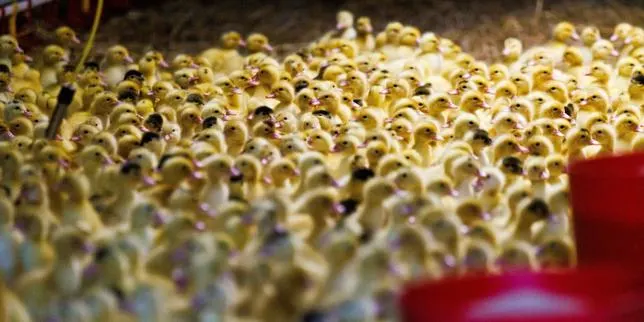
Washington, DC voters have backed a measure to ban foie gras, the fatty liver delicacy made by force-feeding ducks or geese. The result could make the district one of the latest US jurisdictions to restrict the product and brings animal-welfare arguments into local food policy.
Initiative 86 would prohibit force-feeding birds to enlarge their livers and ban the sale or distribution of products made through the practice. Early results indicated more than 73 per cent of voters supported it; the measure is expected to take effect next year. Opponents have raised concerns about its wording and possible legal challenges.
In short
- DC voters backed a ban on foie gras.
- More than 73 per cent supported Initiative 86 in early results.
- The measure also prohibits force-feeding birds to enlarge their livers.
Steelman: both sides, in good faith
The strongest fair case each way — we don't pick a winner.
The case for
Supporters argue that force-feeding birds to enlarge their livers causes avoidable suffering, and that voters can reasonably decide such products should not be sold locally. A ban would turn animal-welfare concerns into a clear rule and could encourage producers and retailers to move away from the practice.
The case against
Opponents can argue that a sales ban restricts consumer choice and the livelihoods of businesses that sell foie gras, even if the practice is lawful elsewhere. They may also question whether the initiative is clearly drafted or legally sound, and favour welfare standards or other targeted measures over prohibiting sale and distribution.
Explained simply
Foie gras is a food made from the enlarged liver of a duck or goose. To produce it, birds are fed through a tube so their livers grow larger, a method that has drawn criticism from animal-welfare groups.
Initiative 86 would ban force-feeding birds for foie gras and the sale or distribution of products made this way in Washington, DC. The proposal has put animal welfare alongside questions about food rules and how a local ban would be applied; opponents have also questioned its wording and raised the possibility of legal challenges.