Technology news and discussion on TalkFuse.
Voters reject data centers in nearly 50 ballot initiatives during midterms in major setback to AI bigwigs
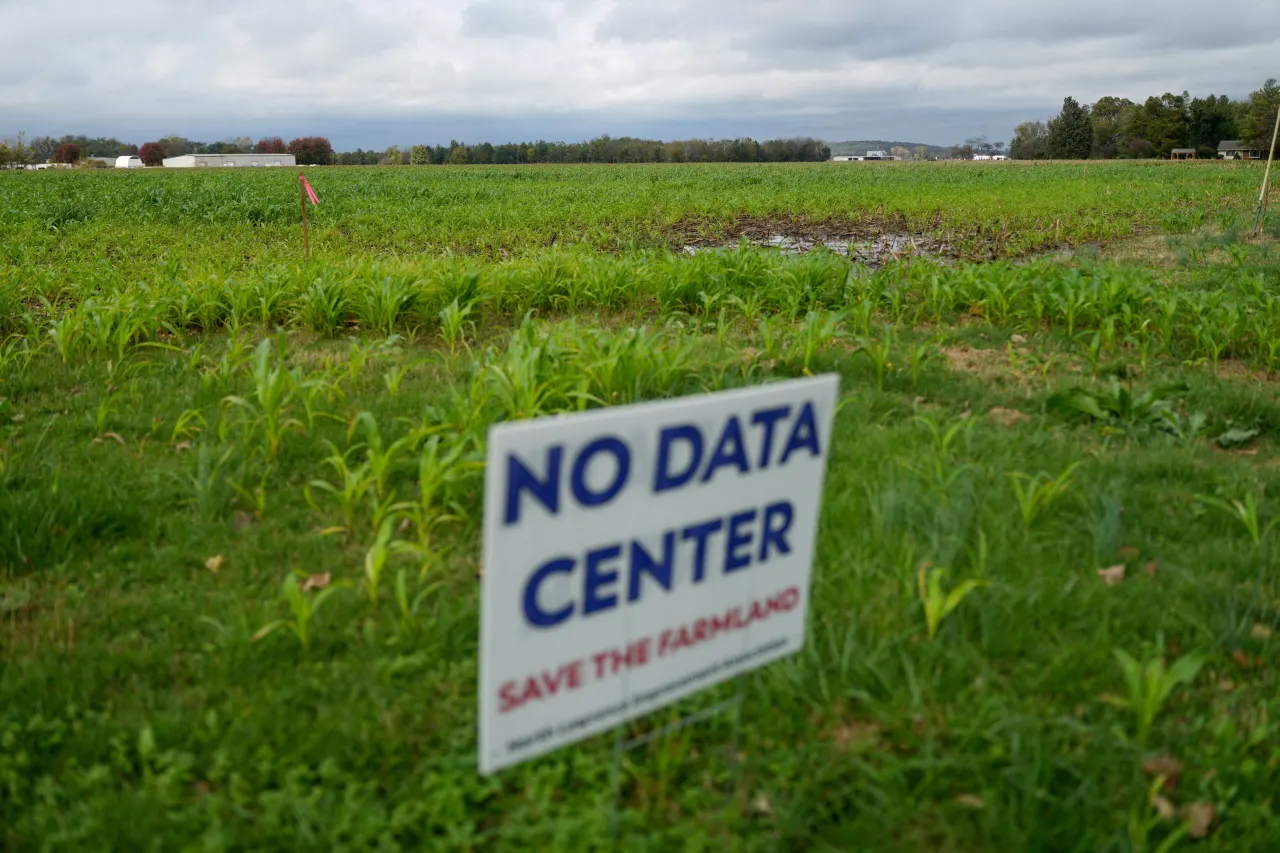
Voters rejected proposals supporting or limiting data centres in 47 of at least 50 ballot measures considered during the US midterm elections, according to Ballotpedia. The results signal strong local resistance to the facilities and could increase pressure on technology companies seeking to expand AI infrastructure.
Three votes were still pending on Wednesday afternoon, and the only result described as favourable to the tech sector was in Harwood, North Dakota, where voters rejected extra review requirements for industrial sites. Ohio had 21 data-centre measures; the issue also featured in Sherrod Brown’s successful Senate campaign. Analysts say the results may encourage Congress to regulate data centres, amid concerns including pressure on power grids and calls for tech executives to testify.
In short
- Voters rejected 47 data-centre measures.
- Three ballot outcomes were still pending.
- Results may prompt greater scrutiny and regulation.
Steelman: both sides, in good faith
The strongest fair case each way — we don't pick a winner.
The case for
Local opposition to data centres is defensible where rapid development could strain electricity grids, affect nearby communities and proceed without adequate scrutiny. The ballot results may give residents a meaningful say over those costs and encourage clearer rules before companies expand AI infrastructure.
The case against
Data centres support AI services and other digital infrastructure, and restricting them can slow investment and shift development elsewhere without resolving energy pressures. Companies and their supporters can reasonably argue that predictable approval processes, rather than added local reviews or limits, would help meet growing demand while allowing impacts to be managed.
Explained simply
Data centres are large buildings filled with computer equipment that store and process digital information. Artificial intelligence services rely on them, and technology companies are planning more facilities to meet expected demand.
In the United States, local and state authorities can influence where data centres are built and what reviews they must undergo. Residents and officials may weigh jobs and investment against concerns such as electricity use and pressure on power supplies.
Technology companies, local communities and elected officials are central to the debate. The choices matter because they may shape where new facilities can be built and whether federal lawmakers set broader rules for the industry.
AI Elections Politics Technology World