World news and discussion on TalkFuse.
Vultures are disappearing in Nigeria – but the ‘Vulture King’ is fighting to reverse the trend
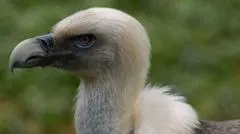
Vultures are declining sharply in Nigeria and elsewhere in Africa, driven by hunting associated with traditional beliefs, poisoning, habitat loss and urban expansion. Conservationists warn that their disappearance matters because vultures rapidly remove animal carcasses, limiting the spread of potentially dangerous diseases such as anthrax and rabies.
In Awka-Etiti, south-eastern Nigeria, a sacred forest around the Nguma shrine offers unusual protection for vultures, which local people regard as a positive spiritual sign. Volunteer conservationist Chukwuemeka Igwe, known locally as the “Vulture King”, works with the Nigeria Conservation Foundation to protect them; BirdLife International estimates poisoning causes about 60% of vulture deaths in Africa, while seven Cape vulture types face extinction.
In short
- Sacred traditions protect vultures in one Nigerian community.
- Vultures help prevent disease by consuming carcasses.
- Poisoning causes an estimated 60% of African vulture deaths.
Explained simply
Vultures are large birds that feed mainly on dead animals. Across Nigeria and other parts of Africa, their numbers are falling because of poisoning, hunting linked to traditional beliefs, and the loss of natural habitat as towns grow.
Their decline can affect people as well as wildlife: by quickly clearing carcasses, vultures help limit the spread of diseases such as anthrax and rabies. In Awka-Etiti, in south-eastern Nigeria, a sacred forest around the Nguma shrine gives the birds unusual protection, as local people see them as a positive spiritual sign.
Volunteer conservationist Chukwuemeka Igwe, known locally as the “Vulture King”, works with the Nigeria Conservation Foundation to protect them. The wider threat is severe: BirdLife International estimates that poisoning accounts for about 60% of vulture deaths in Africa, and seven types of Cape vulture face extinction.