Wales plans to ban steel pylons as government launches consultation
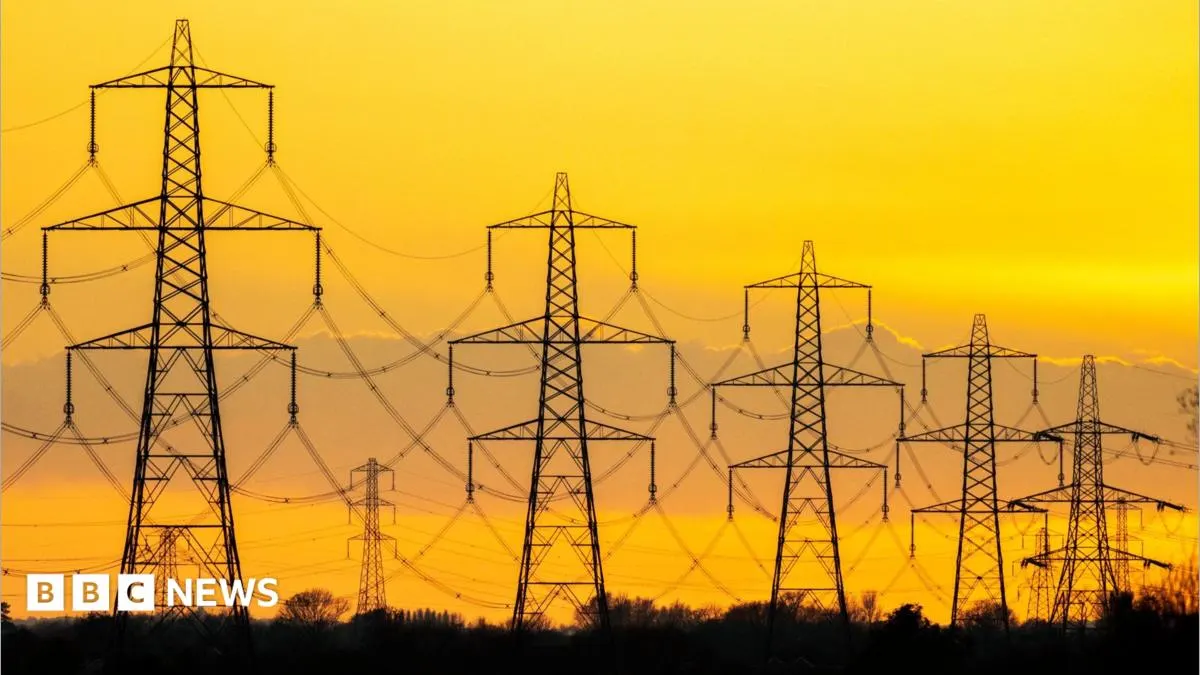
The Welsh government has opened a consultation on banning large steel lattice pylons for new electricity lines up to 132 kilovolts where it has control, favouring buried cables instead. The proposal fulfils a Plaid Cymru manifesto pledge and follows strong local opposition to planned power lines; ministers say undergrounding could better protect landscapes, communities and wildlife.
The consultation recognises that buried cables are generally more expensive to install and maintain and can cause disruption during construction. Green Gen Cymru says undergrounding costs about 4.5 times as much as overhead lines, adding £500m to its proposed Towy Usk project. The government would still allow wooden poles or similarly less intrusive structures where planning tests are met; the consultation closes on 15 January 2027.
In short
- Wales is consulting on a ban on large steel pylons for new lines up to 132 kilovolts.
- The policy favours underground cables but acknowledges their higher costs and construction impacts.
- Green Gen Cymru estimates undergrounding would add £500m to its Towy Usk project.
Steelman: both sides, in good faith
The strongest fair case each way — we don't pick a winner.
The case for
Banning large lattice pylons could protect Wales’s landscapes, communities and wildlife, especially where new lines would cross sensitive or valued areas. Underground cables may also address strong local concerns and help secure public acceptance for the electricity infrastructure needed in future.
The case against
A blanket ban could sharply raise the cost of new electricity lines: the developer cited estimates undergrounding costs about 4.5 times as much as overhead lines on its proposed project. Buried cables can also disrupt land during construction and be harder to maintain, so allowing pylons where planning safeguards are met may help deliver infrastructure more affordably and reliably.
Explained simply
Electricity lines carry power from where it is generated to homes and businesses. In Wales, some proposed new lines have faced strong local opposition because large steel lattice pylons can affect views, communities and wildlife.
The Welsh Government is consulting on rules for new lines of up to 132 kilovolts in areas where it has authority over planning. Plaid Cymru promised a ban on these pylons in its manifesto; the proposal would favour cables buried underground, while allowing some less prominent structures such as wooden poles.
Buried cables can reduce the visual impact of power lines, but they cost more to install and maintain and can disrupt land during construction. Those costs matter as Wales plans how to connect new sources of electricity to the grid.
Government Politics Science UK World