Want to strengthen America’s economy? The key investment is hiding in plain sight
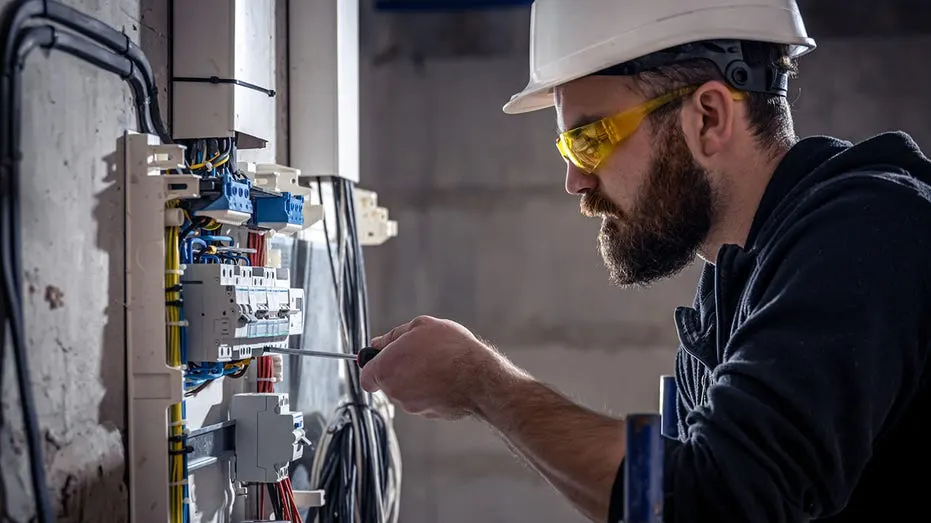
A Fox News opinion piece argues that the United States faces a severe shortage of skilled technical workers, warning that the gap threatens everyday infrastructure from car repairs and factory production lines to data centres and aircraft maintenance. The author frames this as a hidden but urgent investment priority for strengthening the American economy, contending that policymakers and industry have overlooked vocational and trades training in favour of other economic priorities.
The piece cites a $7.42 billion cost linked to the technician shortfall and points to roughly ten critical sectors affected, including automotive, aviation and HVAC (heating, ventilation and air conditioning). It presents vivid hypothetical scenarios, such as grounded flights, stalled supply chains and overheating data centres, to illustrate the practical consequences of failing to address the skilled trades gap, and calls for greater investment in technical training as a solution.
- US faces a growing shortage of skilled technicians across key industries.
- Shortage linked to $7.42 billion in costs across around ten sectors.
- Author urges greater investment in vocational and trades training.
New here? Start with this
Skilled technical workers install, maintain and repair the equipment that businesses and public services rely on. Their jobs range from fixing cars and heating systems to maintaining aircraft, factory machinery and data centres.
The opinion piece says the US has too few workers with these skills, leaving employers in sectors such as automotive, aviation and heating and cooling struggling to fill roles. It links the shortage to a reported $7.42 billion cost and argues that more investment in technical education and training could help.
The issue matters because these workers keep essential services and supply chains running. Training people for technical jobs is therefore part of a broader debate about how the US can support businesses and strengthen its economy.
Both sides, in good faith
The strongest fair case each way — we don't pick a winner.
The case for
America has documented shortages in critical skilled trades across sectors from aviation to HVAC, and these gaps directly threaten infrastructure and economic productivity. Training investment has proven returns and provides viable career pathways, yet policymakers have historically underfunded vocational education compared to four-year degrees. Addressing this through expanded apprenticeships, better curricula and equipment would tackle a real, measurable economic vulnerability that existing systems have neglected.
The case against
Whilst skilled worker shortages exist, they likely reflect structural problems beyond training capacity—many trades offer insufficient wages relative to educational investment, and workers naturally gravitate elsewhere. Rather than assuming the solution is more training programmes, policymakers should examine why employers cannot attract workers at current compensation levels, consider streamlined skilled immigration, or explore automation. The claimed severity warrants scrutiny, as does the assumption that training supply, rather than labour market dynamics and wages, is the binding constraint.