Rachman warns weakening alliances and linked conflicts raise risk of wider war
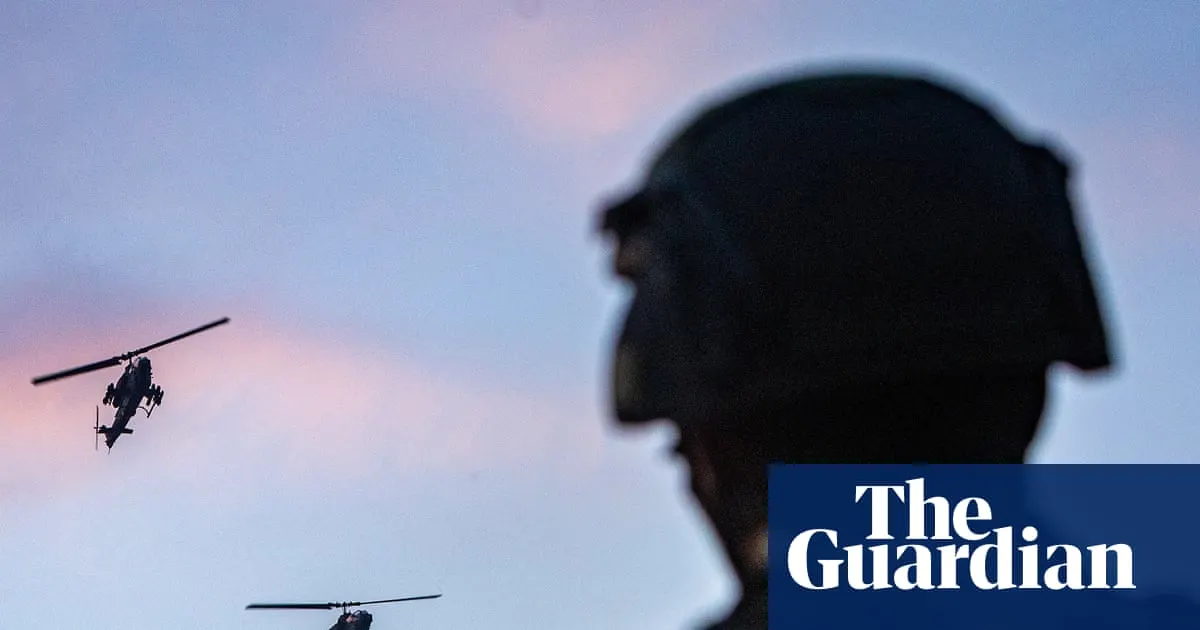
Gideon Rachman’s book argues that global security is deteriorating as powerful leaders weaken international institutions and pursue nationalist agendas. The review presents this as a serious risk because regional conflicts are increasingly connected, while uncertainty over US support for allies could encourage further aggression.
Rachman counts 61 conflicts in 2024, including 11 full-scale wars, and describes ongoing wars in Ukraine and the Middle East alongside potential flashpoints such as India and Pakistan, Korea, and Taiwan. He sees Taiwan as the most direct route to a wider war because a Chinese attack could draw in the United States; China’s naval growth and Donald Trump’s ambivalence over defending Taiwan add to that uncertainty. The article also traces the weakening of the post-Cold War order to US retrenchment and the erosion of institutions such as the UN, WTO and Nato.
In short
- Rachman warns that global security is worsening.
- He records 61 conflicts in 2024, including 11 wars.
- Taiwan is identified as a possible route to US-China conflict.
Steelman: both sides, in good faith
The strongest fair case each way — we don't pick a winner.
The case for
Rachman’s warning is that weakening alliances and international institutions can make aggression seem less costly and leave regional conflicts more likely to spread. With several flashpoints active and US commitments appearing uncertain, clearer collective deterrence and stronger cooperation could reduce the risk of miscalculation and wider war.
The case against
A more sceptical view is that institutions and alliances cannot prevent every conflict, and that describing several crises as linked may overstate how likely they are to merge into a wider war. US retrenchment or a less automatic commitment to intervene could also prompt allies to take greater responsibility and reduce the chance of being drawn into conflicts through rigid commitments.
Explained simply
After the Cold War, many countries relied on international institutions and alliances to manage disputes and deter attacks. The United Nations provides a forum for countries to work together, while Nato is a military alliance whose members promise to defend one another; the World Trade Organization sets rules for international trade.
Today, conflicts in Ukraine and the Middle East sit alongside tensions involving India and Pakistan, the Korean peninsula and Taiwan. Taiwan is governed separately from China, which claims it as part of its territory; a Chinese attack could involve the United States, depending on how it responds. Uncertainty about US support for allies, and strain on international institutions, matter because disputes in different regions could become harder to contain.
Read the full article at the source →
Originally published by The Guardian as “War Is Interested in You by Gideon Rachman review – are we on the brink of world war three?”.