Science news and discussion on TalkFuse.
Warming could leave UK seas with more predators and fewer prey
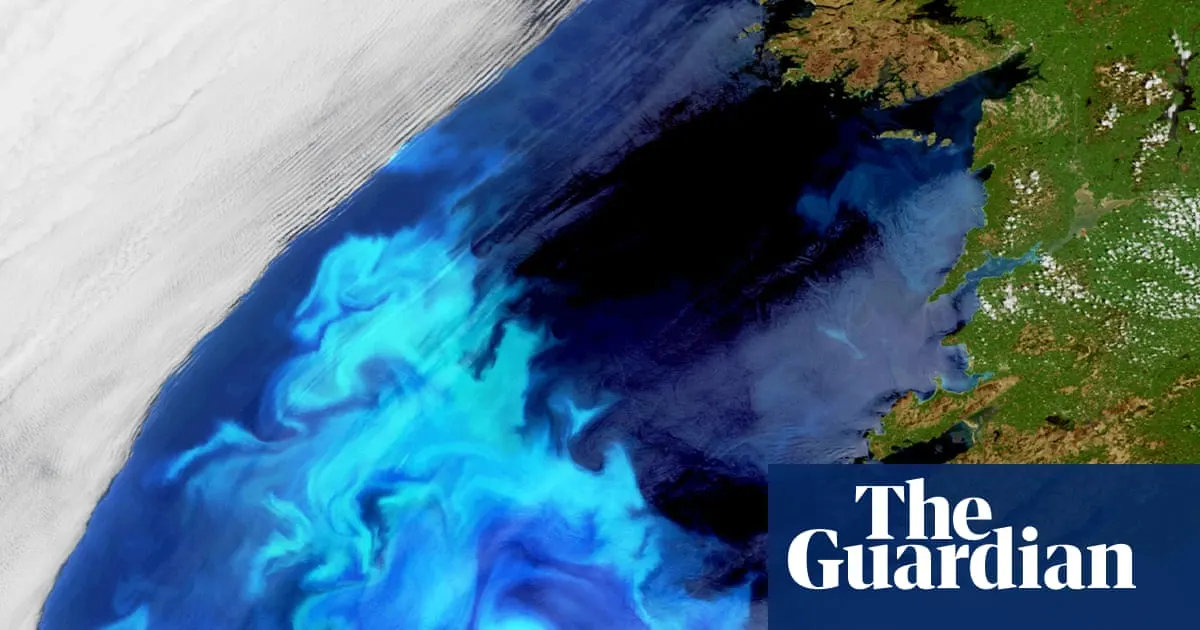
A four-year study warns that warming seas around the UK and the north-east Atlantic could disrupt marine food webs and threaten ocean health and food security by 2050. Its findings challenge the assumption that climate change will broadly increase marine biodiversity in middle-latitude regions: some groups may gain species while crucial groups lower in the food chain lose them.
Under a scenario of 3C of warming by 2100, the researchers project that fish and seabed invertebrate diversity could rise by about 12% by mid-century, while phytoplankton diversity could fall by about 3% and zooplankton by 7%. The study, led by Cefas and published in Science Advances, says these uneven changes could leave more predators and fewer prey, weakening ecosystem resilience. The findings have been submitted to a government review of marine protected areas and fisheries management.
In short
- UK seas may see uneven changes in marine biodiversity.
- Fish and seabed species could increase by about 12%.
- Key plankton groups are projected to decline by 2050.
Explained simply
Marine food webs link tiny organisms to larger animals. Phytoplankton are microscopic organisms that use sunlight to grow, while zooplankton are small animals that feed on them; both are food for fish and other marine life.
The UK’s seas connect to the north-east Atlantic, where species depend on one another for food and habitat. Fish and invertebrates that live on or in the seabed are part of this network, as are the smaller organisms that support them.
Changes in the number and variety of species at different levels can affect the food available to predators and the stability of the wider ecosystem. These relationships matter for ocean health and for fisheries, which provide food and livelihoods.
Climate Culture Food Research Science UK World
Read the full article at the source →
Originally published by The Guardian as “Warming UK seas could ‘fundamentally reshape marine ecosystems’ – report”.