Entertainment news and discussion on TalkFuse.
Warner Bros. Deserves Credit for Successfully Adapting Stephen King’s Most Difficult Thriller
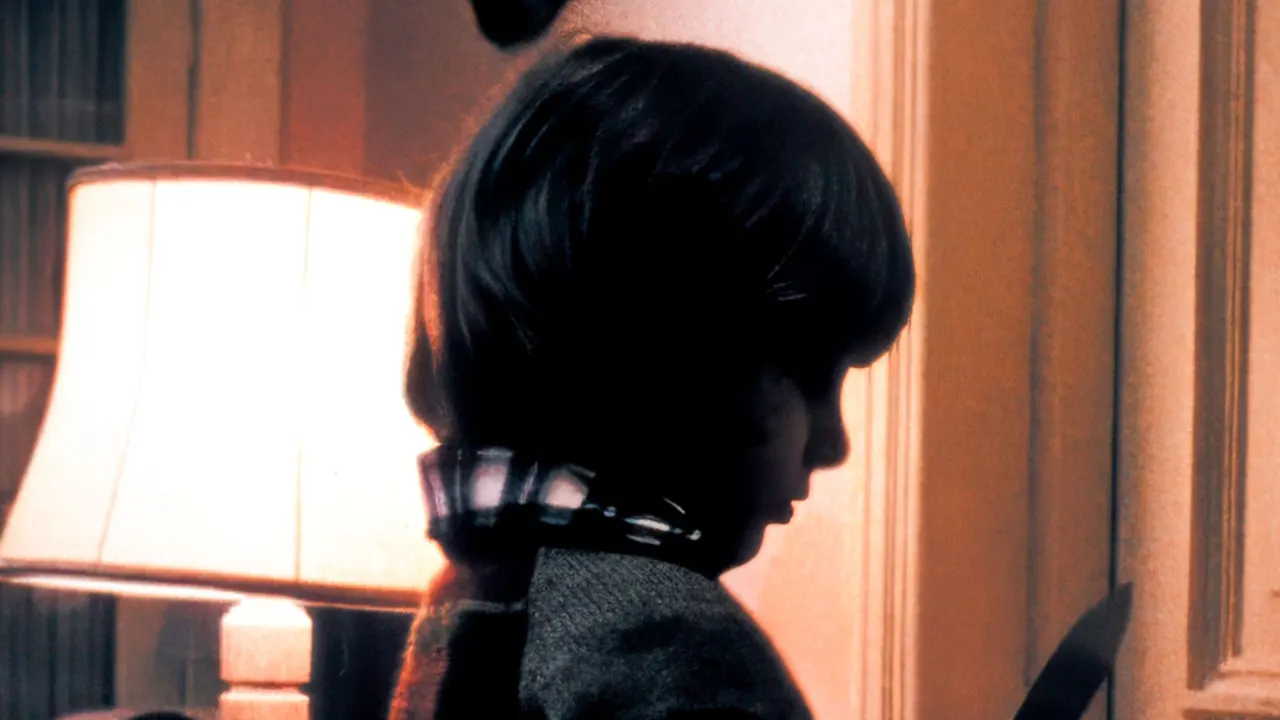
Stanley Kubrick’s 1980 film of Stephen King’s *The Shining* departed from the novel, particularly in making Jack Torrance seem menacing from the outset rather than a good man whose inner struggles are exploited by the hotel. The article argues that these changes helped create a lasting horror classic and shows why adapting the story for film was difficult.
Much of Jack’s turmoil is internal, so the film gives it visible form through the Overlook Hotel and Nicholson’s increasingly unnerving performance. King objected to the changes and later backed a more faithful 1990s television miniseries, which the article says was less effective. It credits Warner Bros. and Kubrick with making an engaging, frightening film that continues to feature on lists of the best horror films.
In short
- Kubrick’s film made Jack threatening from the start.
- King preferred a more faithful adaptation.
- The 1980 film remains a horror classic.
Steelman: both sides, in good faith
The strongest fair case each way — we don't pick a winner.
The case for
The film’s changes can be defended as choices suited to cinema: making Jack threatening early and giving his inner conflict visible form created a focused, unsettling horror story. Its enduring influence and reputation suggest that Kubrick and Warner Bros. made an adaptation that works powerfully on its own terms, even where it departs from King’s novel.
The case against
A strong adaptation can also be judged by whether it preserves the novel’s central character and themes. By presenting Jack as menacing from the outset, the film reduces the tragedy of a basically good man whose struggles are exploited by the hotel; the more faithful miniseries reflects the view that fidelity matters even when the result is less effective as horror.
Explained simply
Stephen King’s novel The Shining follows Jack Torrance, a writer who takes a job as winter caretaker of the isolated Overlook Hotel with his wife and young son. The hotel appears to have a supernatural influence, while Jack is also struggling with anger and drinking; much of the tension comes from how these pressures affect him and his family.
Stanley Kubrick’s 1980 film adaptation stars Jack Nicholson as Jack and turns the hotel and his behaviour into vivid sources of horror. King objected to changes from his novel and later supported a television adaptation that followed the book more closely. The story matters because it shows how filmmakers can reshape a novel’s inner conflicts for the screen, and how an adaptation can become influential in its own right.