Politics news and discussion on TalkFuse.
Warnings About ICE at the Polls Risk Their Own Kind of Voter Suppression
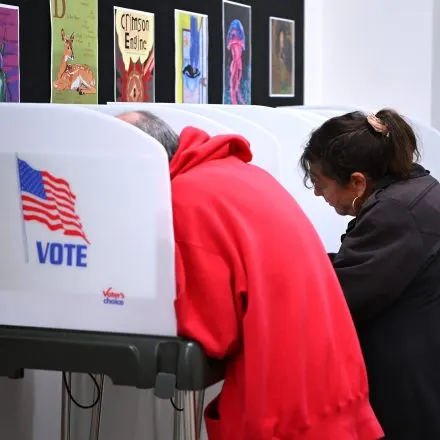
Texas voting rights advocates say warnings about possible ICE presence at polling places could deter voters, even as they seek to prepare communities for intimidation. They argue that uncertainty about federal agents may itself serve voter suppression, particularly in a closely watched state where political control is contested.
Federal and state law bars immigration agents from polling sites and prohibits voter intimidation, but the administration has declined to rule out deploying agents and has discussed sending federal monitors. Organisers point to other barriers, including 92 polling-place closures in Tarrant County, reports of eligible voters being wrongly turned away, and a 2021 Texas law that restricted drive-through voting and weakened some protections. The article also notes a high-stakes Senate race between Democrat James Talarico and Republican Ken Paxton.
In short
- Advocates fear talk of ICE at polls could keep Texans from voting.
- Laws bar agents from polling sites and prohibit voter intimidation.
- Organisers cite polling closures and other barriers already in place.
Steelman: both sides, in good faith
The strongest fair case each way — we don't pick a winner.
The case for
Advocates can reasonably argue that public warnings are necessary when officials have left open the possibility of federal agents at polling places, despite laws barring immigration agents from polling sites and voter intimidation. Preparing voters for possible intimidation may help protect participation, while drawing attention to closures, wrongful turnaways and restrictive voting rules that could compound the risk.
The case against
Critics can reasonably argue that warnings about ICE, even when intended to protect voters, may spread uncertainty and deter people who might otherwise vote, especially those anxious about immigration enforcement. With no confirmed deployment described, emphasising that possibility could magnify fear; organisers may better protect turnout by giving clear, verified guidance about voters’ rights and what is actually happening.