World news and discussion on TalkFuse.
Warren’s latest ‘kiss of death’ endorsement sparks mockery over disastrous political picks
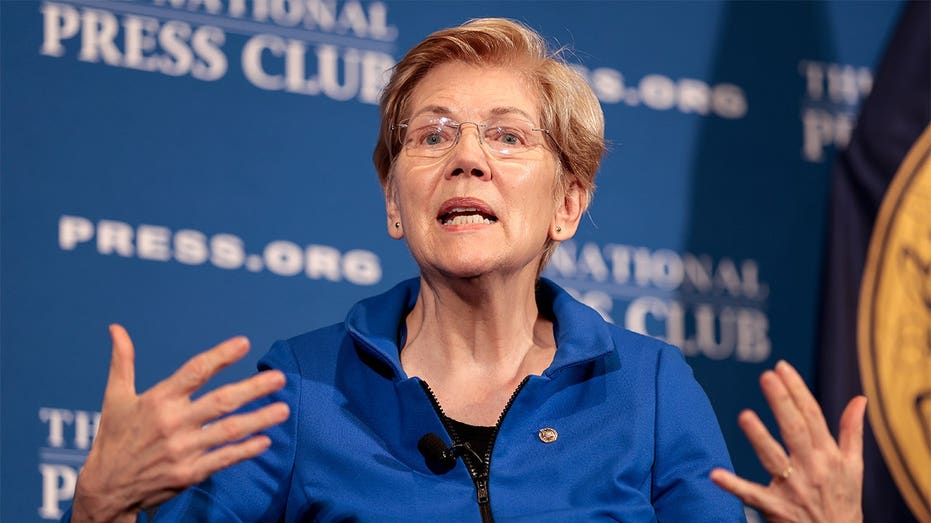
Democratic Senator Elizabeth Warren has drawn criticism from conservative commentators after endorsing Abdul El-Sayed, a progressive candidate running for Michigan's US Senate seat, in the party's primary contest. Critics have seized on the move as the latest in a string of Warren-backed candidates whose campaigns have run into controversy or setbacks, framing her endorsement as something of a liability rather than a boost for the candidates she supports.
El-Sayed, who has previously run for Michigan governor, has positioned himself as an anti-establishment figure, telling supporters that groups such as ICE, health insurers and corporate interests should regard him as "dangerous". His campaign and record have already attracted scrutiny and backlash from opponents, and Warren's endorsement has intensified debate about the direction of the Democratic Party's progressive wing ahead of the Michigan primary.
In short
- Elizabeth Warren endorses progressive Abdul El-Sayed for Michigan US Senate seat.
- Critics mock Warren's endorsement record, calling it a "kiss of death".
- El-Sayed casts himself as "dangerous" to ICE and health insurers.
Steelman: both sides, in good faith
The strongest fair case each way — we don't pick a winner.
The case for
Warren's endorsements remain valuable to progressive candidates and progressive voters, even if some previously endorsed candidates faced difficulties. The 'kiss of death' framing is hyperbolic partisan mockery that unfairly dismisses the legitimate influence a prominent senator can exert within her party. Candidates should be evaluated on their own merits and records, not dismissed simply because Warren backs them; indeed, El-Sayed's bold positioning against established interests may well resonate with the primary electorate regardless of past outcomes elsewhere.
The case against
Warren's track record of backing candidates who encountered significant setbacks or controversy raises fair questions about her political judgment and the practical value of her endorsements. When a pattern emerges of endorsed candidates struggling, voters and other politicians may reasonably view an endorsement as signalling weakness rather than strength, making it strategically risky for El-Sayed to be closely associated with her. An endorsement's effectiveness depends partly on whether it translates to electoral success, and the evidence suggests hers often do not.
Explained simply
Senator Elizabeth Warren, a prominent Democrat, has endorsed Abdul El-Sayed in the race for Michigan's Democratic Senate seat. The endorsement has drawn criticism from political opponents who claim that candidates Warren supports often encounter difficulties or controversy.
El-Sayed, who previously ran for Michigan governor, has built his campaign around opposing establishment institutions and powerful corporate interests, positioning himself as a threat to immigration enforcement agencies, health insurers and big business. His political profile has already attracted scrutiny from critics.
Warren's track record with endorsements has become a point of debate because several candidates she has backed have faced setbacks or controversy. Her latest backing of El-Sayed has revived questions about whether her support helps or harms the politicians she champions.