Politics news and discussion on TalkFuse.
Washington faces the threat of another government shutdown: What it means and what is at stake
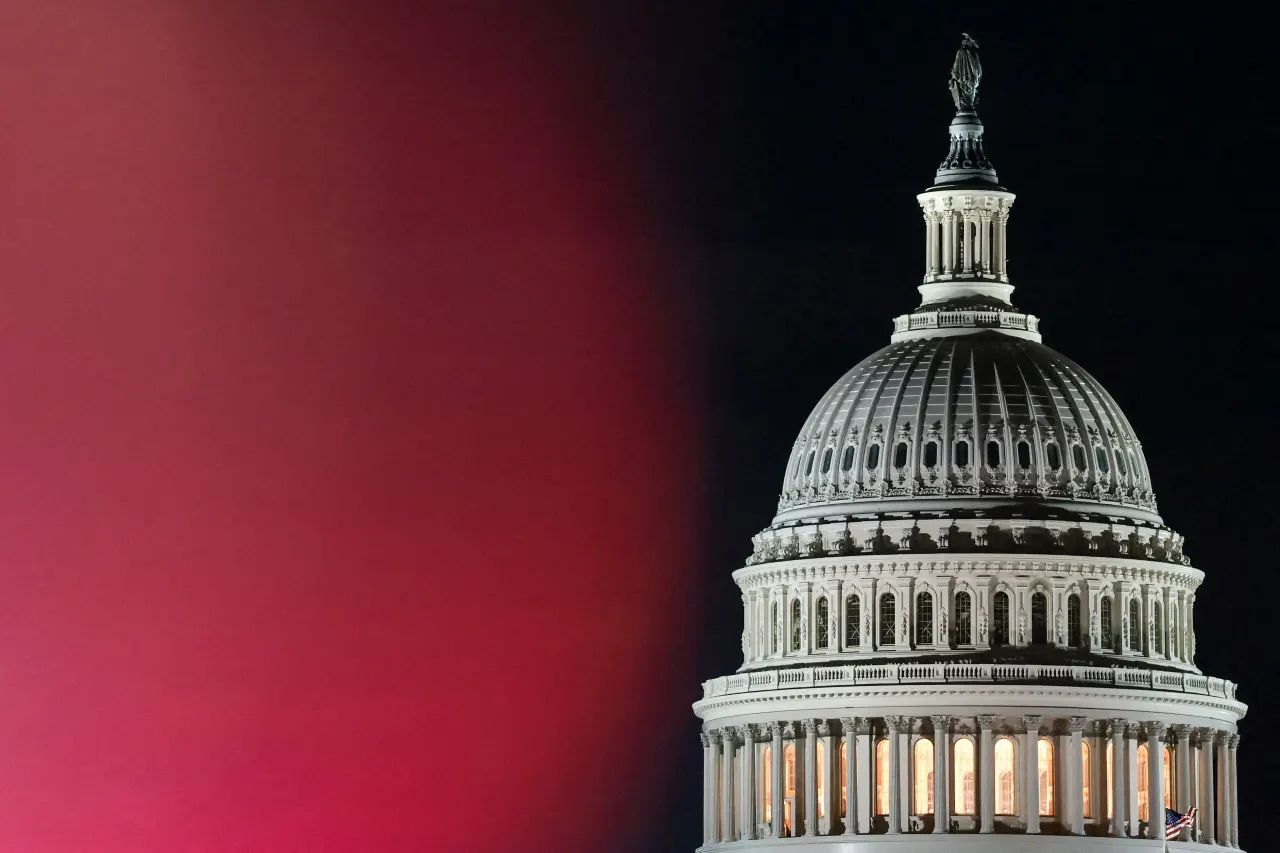
Some US federal agencies could partially shut down on 11 December if Congress fails to agree on funding, with lawmakers divided over the war in Iran and President Donald Trump’s request for another $350 billion for the Department of Defense. A shutdown would suspend some government operations because federal agencies cannot spend money without congressional authorisation.
Congress may avert it with a temporary funding extension, known as a continuing resolution, or by passing agreed spending bills and using an extension for the rest. Mandatory programmes such as Social Security and Medicare are generally unaffected, but some services funded through annual discretionary budgets could pause. Some federal employees may be furloughed, though they are entitled to back pay; essential staff, including air traffic controllers and law enforcement officers, continue working.
In short
- Agencies face a partial shutdown from 11 December without a funding deal.
- Disputes include Iran policy and $350 billion in requested defence funding.
- A temporary extension could keep agencies operating while talks continue.
Steelman: both sides, in good faith
The strongest fair case each way — we don't pick a winner.
The case for
Supporters of withholding or delaying funding could argue that Congress has a duty to scrutinise spending and should not approve a large additional defence request without agreement on the war in Iran and other priorities. The prospect of disruption may also give lawmakers leverage to negotiate a funding package that better reflects public priorities and limits unchecked spending.
The case against
Those urging Congress to avert a shutdown could argue that keeping agencies funded is a basic responsibility, and that a lapse would disrupt services and burden federal workers, including those required to work without immediate pay. A temporary extension could preserve operations while lawmakers continue debating defence spending and the war, avoiding disruption without settling those disagreements prematurely.
Explained simply
The US Congress controls federal spending and must approve money for government departments and services. Funding is divided between mandatory programmes, such as Social Security and Medicare, and discretionary spending, which covers many agencies and is set through annual decisions.
If lawmakers have not approved funding, Congress can pass a short-term extension, called a continuing resolution, while negotiations continue. Federal employees whose work is paused may be furloughed, while some staff, including air traffic controllers and law enforcement officers, keep working; furloughed employees are entitled to back pay.
The dispute involves lawmakers in Congress and President Donald Trump’s request for additional money for the Department of Defense, amid disagreements over the war in Iran. The outcome affects which government services can continue and how federal funds are allocated.