World news and discussion on TalkFuse.
Washington should lose sleep over Canada’s deepening ties with China
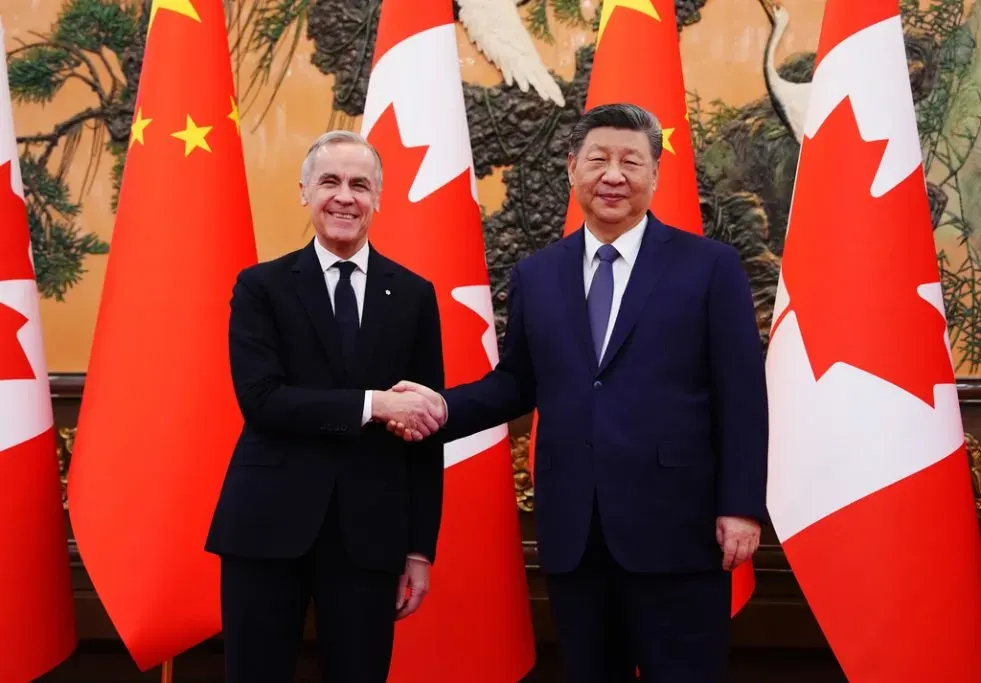
Canadian Prime Minister Mark Carney announced expanded exemptions for Chinese steel and aluminium imports and lower Chinese tariffs on Canadian goods while attending the APEC summit in Shenzhen. His government presents closer trade with China as a way to diversify Canada’s trade in response to US tariffs, but the article argues the strategy could weaken Canada’s position with Washington and offers uncertain benefits at home.
Carney described possible Chinese car investment as “action, reaction” to the course of US trade talks, rather than leverage over the United States. The article questions how reducing reliance on the US would protect Canadian sovereignty, given China’s past use of tariffs to penalise Canadian policy decisions. It also raises concerns about the effects of more Chinese steel, aluminium and cars on Canadian workers, the domestic auto industry and efforts to reach a US trade deal.
In short
- Canada is expanding trade arrangements with China.
- The article questions the benefits for Canadian workers and industry.
- Closer China ties could complicate trade talks with the US.
Steelman: both sides, in good faith
The strongest fair case each way — we don't pick a winner.
The case for
Deepening trade with China could give Canada more options as US tariffs and trade negotiations make reliance on the American market costly and uncertain. A broader set of trading partners may support Canadian exporters, protect some jobs and strengthen the government’s ability to respond to pressure from Washington; engagement could also be framed as a pragmatic reaction to changing trade conditions rather than an attempt to threaten the United States.
The case against
Closer economic ties with China may bring uncertain gains while exposing Canadian industries and workers to greater competition from imported steel, aluminium and cars. If China has previously used trade restrictions to punish Canadian policy choices, greater reliance on Chinese markets could create a different vulnerability rather than secure sovereignty, while the move may complicate efforts to reach a trade deal with the United States.
Explained simply
Canada and the United States are closely linked through trade, especially in cars, metals and other manufactured goods. The two countries also have a trade agreement that sets rules for commerce across North America, and US tariffs can affect Canadian businesses and workers.
Prime Minister Mark Carney’s government is seeking more trade with China, the world’s second-largest economy, partly to reduce Canada’s reliance on the US market. China has previously used tariffs to put pressure on Canada, while closer trade with Beijing may affect Canadian industries and talks with Washington.
The issue matters because Canada must weigh the possible gains from new markets against the costs for workers and businesses at home. Its choices could also shape its relationship with its largest trading partner.
Americas Asia Culture Geopolitics Government Politics Travel World