Culture news and discussion on TalkFuse.
WATCH: Democrats blast Trump Saudi nuclear deal as GOP touts regional alliance
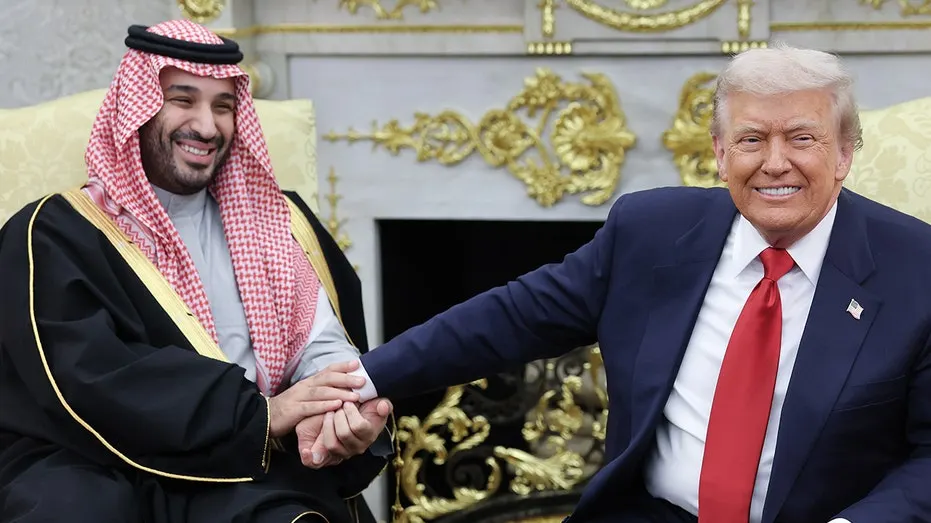
Members of Congress reacted sharply along party lines to the White House's newly announced nuclear cooperation agreement with Saudi Arabia, with Democrats warning it risks fuelling a nuclear arms race in the Middle East while Republicans defended it as a necessary reinforcement of regional alliances. The disagreement highlights broader tensions over how far the Trump administration should go in expanding nuclear technology-sharing with Gulf partners, and comes amid wider debate about US strategy and stability in the region.
Democratic lawmakers voiced concern that supporting Saudi Arabia's nuclear ambitions could set a precedent that destabilises the Middle East and prompts rival states to pursue their own nuclear programmes in response. Republicans countered that maintaining close strategic partnerships with Saudi Arabia is essential to US interests in the region, framing the deal as a pragmatic move to strengthen alliances rather than a proliferation risk. The article does not detail the specific terms of the nuclear cooperation agreement itself.
In short
- Congress split sharply over new US-Saudi nuclear cooperation deal
- Democrats fear it could spark a regional nuclear arms race
- Republicans defend it as bolstering key Middle East alliances
Steelman: both sides, in good faith
The strongest fair case each way — we don't pick a winner.
The case for
Democrats argue that sharing nuclear technology with Saudi Arabia risks destabilising the Middle East by establishing a precedent that other regional powers will view as a green light for their own nuclear ambitions, potentially triggering an arms race that increases the risks of conflict, miscalculation, or proliferation to non-state actors. They contend that even with safeguards, such agreements weaken the non-proliferation frameworks that have been central to global nuclear security since the Cold War.
The case against
Republicans maintain that Saudi Arabia is a vital strategic partner whose security needs are genuine given regional threats, and that abandoning nuclear cooperation would risk pushing the kingdom towards other powers like Russia or China, ultimately harming US interests. They argue that carefully structured agreements with robust monitoring and restrictions on enrichment can provide Saudi Arabia with the nuclear capabilities it legitimately needs whilst preventing weaponisation, representing a pragmatic balance between alliance-building and non-proliferation concerns.
Explained simply
The Trump administration has announced a nuclear cooperation agreement with Saudi Arabia, which will allow the United States to share nuclear technology and knowledge with the country. This type of agreement reflects closer strategic ties between the two nations.
Some people are concerned that helping Saudi Arabia develop nuclear capabilities could spark a nuclear arms race in the Middle East, with other countries following suit. The region is already politically tense, so spreading nuclear technology raises worries about security and stability.
Democrats in Congress have warned against the deal, fearing it could destabilise the region, whilst Republicans argue it is necessary to maintain strong alliances with Saudi Arabia and protect US interests. This disagreement reflects a broader debate about how the United States should balance its partnerships in the Middle East with concerns about nuclear weapons.