WATCH: Georgia Senate debate erupts over white supremacy allegations, Epstein ties in fiery exchange
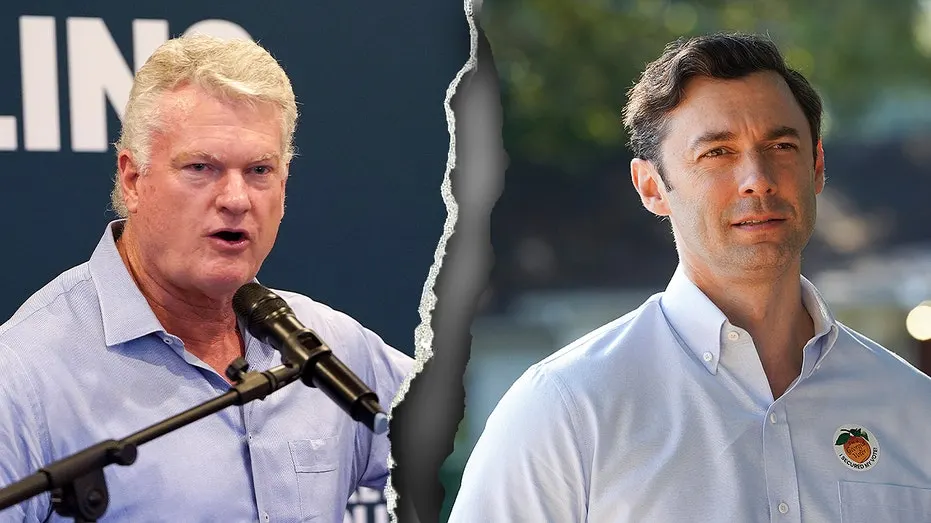
At the final debate before Georgia’s 3 November Senate election, Democratic Senator Jon Ossoff and Republican challenger Mike Collins traded accusations over extremist material and campaign funding. Ossoff said Collins had allowed neo-Nazi propaganda to be shared from his home by his son-in-law, while Collins accused Ossoff of fuelling hostility towards his family and challenged him over donations linked to Reid Hoffman’s past association with Jeffrey Epstein.
Ossoff pressed Collins to promise that no more such material would be produced from his home; Collins cited threats he said he and his son-in-law had received. Collins also called on Ossoff to return Hoffman-linked support. Hoffman gave Ossoff’s campaign $7,000 and a supporting political action committee $1 million, and has acknowledged meeting Epstein after Epstein’s 2008 conviction and visiting his island. The article says Hoffman apologised for the association.
- Georgia’s final Senate debate featured a heated exchange over extremist material.
- Collins challenged Ossoff over Reid Hoffman’s donations and Epstein ties.
- Hoffman gave $7,000 to Ossoff and $1 million to a supporting political committee.
New here? Start with this
Georgia’s Senate race is a contest for one of the state’s seats in the US Congress, where senators help make federal laws and approve government spending. Jon Ossoff, a Democrat, is seeking re-election; Mike Collins, a Republican, is challenging him.
The dispute touches on how candidates respond to extremist material and on whether donations from a supporter should affect a campaign. Reid Hoffman, a wealthy technology investor, has acknowledged meeting Jeffrey Epstein after Epstein was convicted in 2008 and visiting his island, and has apologised for the association. Donations and links to Epstein can draw scrutiny because voters may weigh a candidate’s funding sources and supporters when deciding whom to elect.
Both sides, in good faith
The strongest fair case each way — we don't pick a winner.
The case for
Ossoff’s case is that a candidate should answer for extremist propaganda being shared from his home and should clearly rule out its recurrence, since voters need assurance about the judgement and conduct of those close to a campaign. He can also argue that scrutiny of large political donations and donors’ associations is a legitimate matter of transparency and trust.
The case against
Collins’s case is that he should not be treated as responsible for material shared by his son-in-law, particularly amid threats to his family, and that the debate should not inflame hostility towards them. He can argue that Ossoff should be pressed to address substantial support linked to a donor who met Epstein after his conviction, rather than using the issue selectively against his opponent.