World news and discussion on TalkFuse.
WATCH LIVE: Senate meets for legislative business as Trump returns from Putin-Xi talks in China
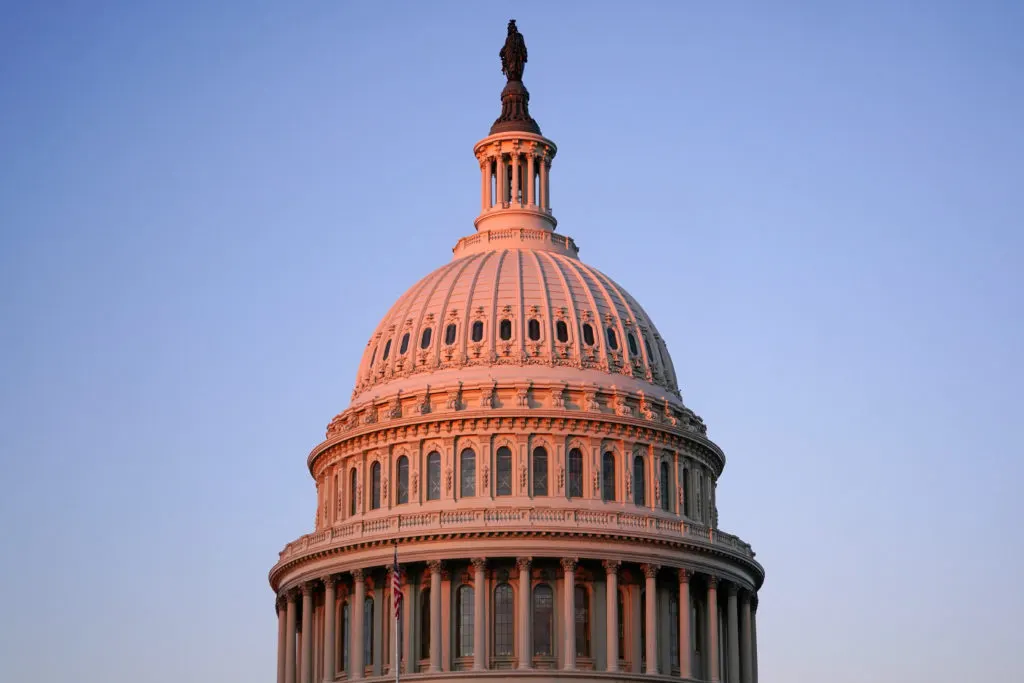
Sen Tim Kaine says he will force a Senate vote in the coming weeks on a resolution requiring the State Department to assess the human rights effects of US policies towards Russia. The move comes after President Donald Trump agreed to a diesel deal with Moscow and amid concerns raised by Ukraine about delayed air-defence supplies and disrupted intelligence.
The resolution would ask how US policies have affected Russia’s ability to wage war in Ukraine and whether they have contributed to human rights abuses, as well as seek an update on peace negotiations. Trump said Russia would supply more than 300,000 tonnes of diesel immediately, followed by further deliveries totalling millions of tonnes. Kaine is using a procedure that prompts a vote within weeks; a similar measure he brought last year was blocked along party lines.
In short
- Kaine will seek a Senate vote on a Russia human rights assessment.
- The resolution follows a US-Russia diesel deal and Ukrainian security concerns.
- A fast-track procedure could force senators to record their positions.
Steelman: both sides, in good faith
The strongest fair case each way — we don't pick a winner.
The case for
Supporters of Kaine’s resolution argue that Congress should understand whether US policy choices, including the diesel agreement and changes to military support or intelligence-sharing, are affecting Russia’s capacity to continue the war and the risks to civilians. A State Department assessment could inform oversight and future decisions while also clarifying the state of peace negotiations; asking for information does not itself dictate a policy change.
The case against
Opponents could argue that the resolution risks politicising sensitive diplomacy and military decisions while negotiations are under way, and that a public assessment might constrain the administration’s ability to bargain or disclose information useful to Russia. They may also see the diesel deal as serving immediate US or wider strategic interests, and prefer to judge it within the administration’s overall approach rather than through a mandated review focused on its effects.
Asia Elections Europe Government Politics World