Watch live: Trump signs 2 executive orders restricting birthright citizenship
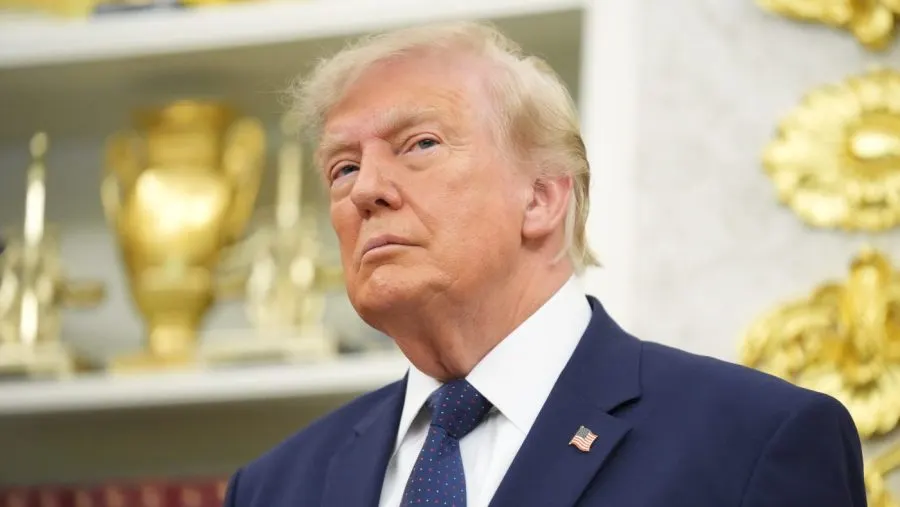
The article content is unavailable because access to the page was denied, so the reported event cannot be independently summarised. Its title says Donald Trump was expected to sign two executive orders restricting birthright citizenship, a potentially significant move because citizenship at birth is protected by the US Constitution’s Fourteenth Amendment and would likely face legal challenges.
No details are provided about the orders’ wording, who would be affected, when they would take effect or the administration’s legal rationale. The URL instead refers to a signing event amid questions over a potential Iran deal, creating further uncertainty about the article’s precise subject.
In short
- Page access was denied, preventing verification.
- Title alleges two orders on birthright citizenship.
- Legal and policy details are unavailable.
Steelman: both sides, in good faith
The strongest fair case each way — we don't pick a winner.
The case for
Those supporting birthright citizenship restrictions argue that it was never intended to apply to children of temporary visitors or illegal immigrants, but rather to protect formerly enslaved Americans. They contend that restricting it to children of at least one citizen would prevent birth tourism, align the US with most other democracies, and preserve citizenship as a meaningful status. This reflects values of national sovereignty and the integrity of legal immigration processes.
The case against
Those opposing such restrictions argue that birthright citizenship has been a constitutionally protected right for over 150 years and that executive orders cannot override it without constitutional amendment. They contend that restrictions would create a class of residents without citizenship rights and disproportionately harm children of immigrants, conflicting with principles of equal protection. They believe such fundamental constitutional changes warrant democratic deliberation through proper channels, not unilateral action.
Explained simply
Birthright citizenship is the principle that a person born in a country is generally a citizen of that country. In the United States, the Fourteenth Amendment to the Constitution is widely understood to protect this right for people born on US soil.
The president can issue executive orders directing the federal government, but an order cannot override the Constitution. Any attempt to limit birthright citizenship could therefore be challenged in court, where judges would consider how the amendment applies.
Americas Government Politics World